





What Are Human Rights?
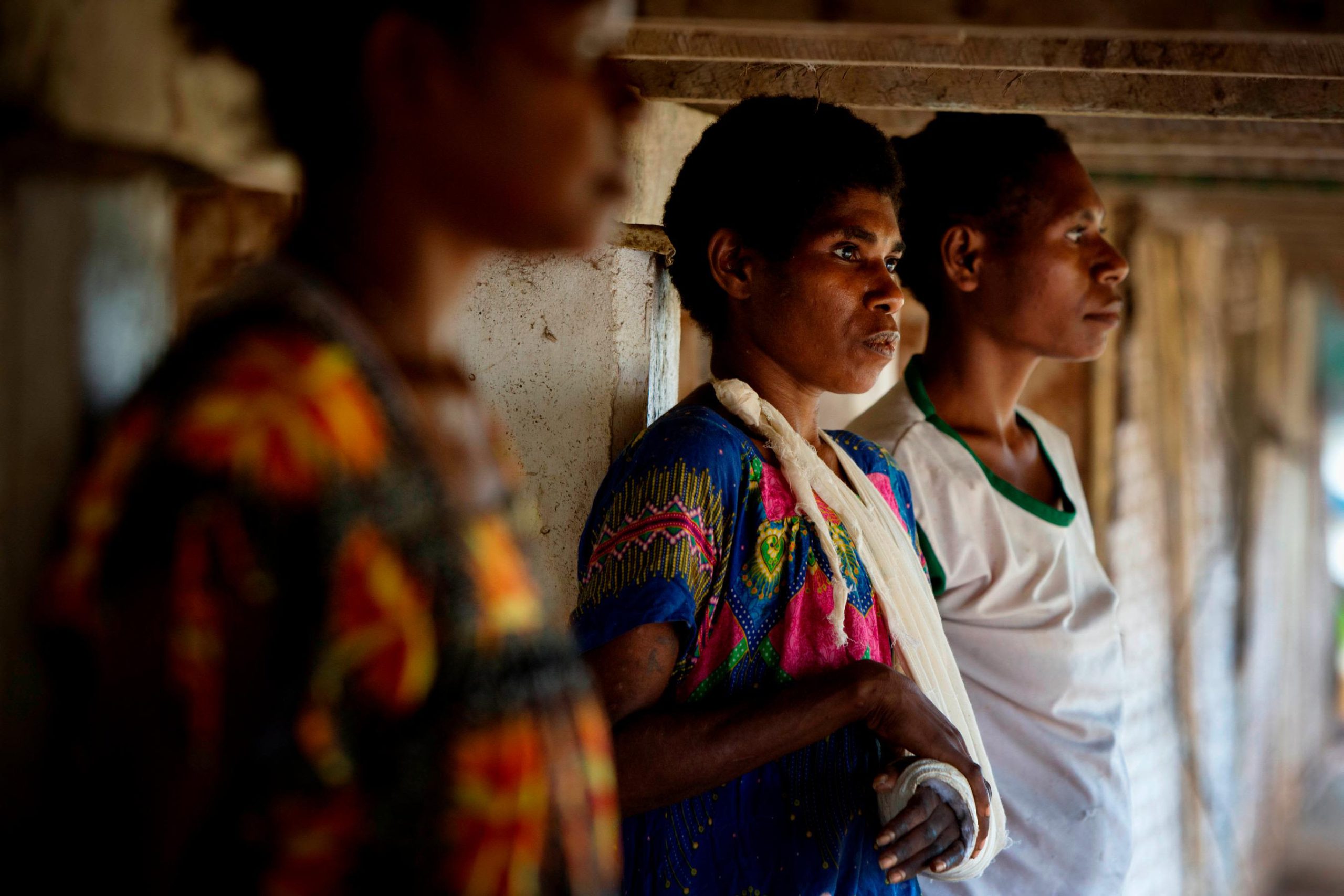
Human Rights constitute a comprehensive framework of fundamental rights that belong to every individual, regardless of race, nationality, gender, belief, or identity. These essential rights begin with the right to life and extend to a wide range of other core entitlements, including the right to education, freedom of expression, personal security, and the right to live with dignity. For this reason, the concept of human rights continually reminds the global community of a vital principle: no person should ever become a victim of discrimination, violence, or abuse of power.

University of Isfahan
Human Rights Institute
The Human Rights Institute of the University of Isfahan (HRIUI) focuses on advancing applied human rights knowledge through interdisciplinary research. By addressing global human rights challenges within diverse cultural contexts, the Institute aims to contribute to academic dialogue and promote justice, equality, and respect for cultural diversity.
From Global Realities to Human Rights Standards
Nations Monitoring
Nations Monitoring is a comprehensive initiative dedicated to the continuous monitoring, analysis, and assessment of human rights conditions across countries worldwide. It follows a three-stage process: tracking developments, examining their underlying contexts, and providing legal analysis in light of international norms and obligations.
To access the human rights reports for each country, click on its territory on the interactive map (with zoom functionality) or select the relevant country under its respective continent in the section below.
Asia
A Continent of Ancient Civilizations, Cultural Diversity, and Transformative Human Developments
Europe
A Continent of New Ideas, Intellectual Traditions, and Globally Influential Transformations
Albania – Belgium – Czech Republic – France – Germany – Greece – Hungary – Ireland – Italy – Netherlands – Spain – Sweden – United Kingdom
Africa
A Continent of Humanity’s Ancient Roots, Diverse Cultures, and Vast Future Potential
Mauritania – Morocco – South Sudan – Sudan
Oceania
A Continent of Indigenous Cultures, Remote Islands, and Unique Ecosystems
From Lived Experience to Legal Action
Narrators of Truth
Narrators of Truth is a strategic component of the broader Nations Monitoring initiative, linking people’s lived experiences with legal analysis and action. It collects, assesses, and verifies first-hand accounts, bringing them into dialogue with data generated through Nations Monitoring to develop well-documented, evidence-based human rights case files for further legal review, advocacy, and follow-up.
From Issue to Research, From Research to Action
Special Dossiers
Each Special Dossier provides an ongoing thematic pathway for understanding and addressing a specific human rights issue. It brings together the full range of academic, research, and practical activities of the Human Rights Institute of the University of Isfahan within a single coherent framework. Across these 18 dossiers, expert commentaries, Nations Monitoring, Narrators of Truth, specialist interviews, academic events, international conferences, and legal action are integrated to create a coherent narrative and a tangible record of engagement.
Special Dossiers
Decolonization and the Right to Self-Determination – Freedom of Expression and the Media – Environmental and Climate Justice – Cultural Rights and Civilizational Heritage – Digital Rights and Emerging Technologies – Genocide and Crimes Against Humanity – War Crimes and International Humanitarian Law – Terrorism and Extremism – Migration and Refugee Rights – Women’s Rights and Gender Justice – Sanctions and the Right to Development – Racism and Discrimination – Indigenous Peoples’ and Minority Rights – Administration of Justice – Children’s Rights and the Rights of Vulnerable Groups – Political Rights and Civil Society – Economic Rights, Labour Rights and Distributive Justice – Social Rights and Welfare
Decolonization and the Right to Self-Determination
0%
Cultural Rights and Civilizational Heritage
0%
War Crimes and International Humanitarian Law
0%
Other Dossiers
0%
Special Dossiers
Decolonization and the Right to Self-Determination – Freedom of Expression and the Media – Environmental and Climate Justice – Cultural Rights and Civilizational Heritage – Digital Rights and Emerging Technologies – Genocide and Crimes Against Humanity – War Crimes and International Humanitarian Law – Terrorism and Extremism – Migration and Refugee Rights – Women’s Rights and Gender Justice – Sanctions and the Right to Development – Racism and Discrimination – Indigenous Peoples’ and Minority Rights – Administration of Justice – Children’s Rights and the Rights of Vulnerable Groups – Political Rights and Civil Society – Economic Rights, Labour Rights and Distributive Justice – Social Rights and Welfare
Connecting Ideas, Beyond Borders
Partners Network
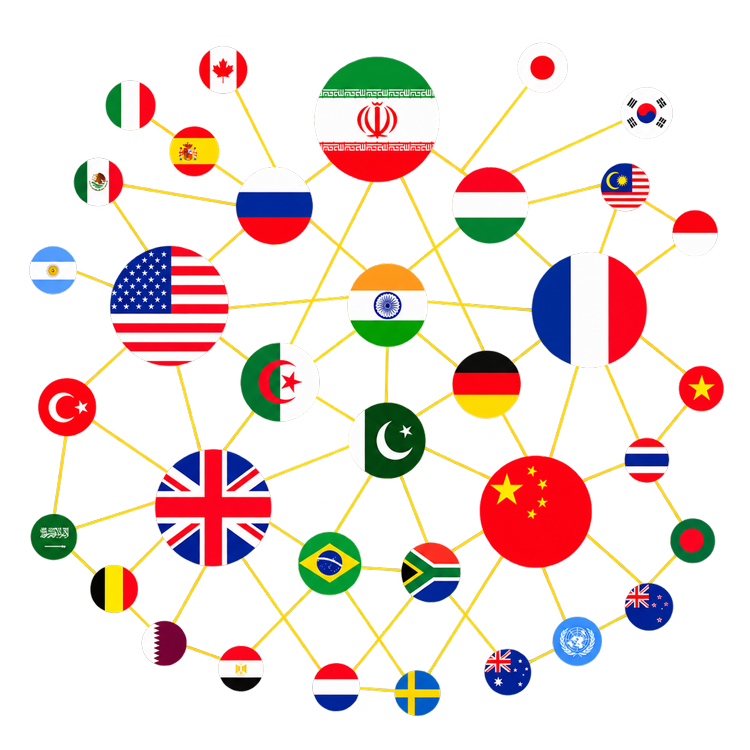
From across the world, ideas, experiences, and shared concerns converge in the Partners Network of the Human Rights Institute of the University of Isfahan, a dynamic, expanding network of academics, researchers, lawyers, advocates, and academic and civil society institutions. Each new connection creates new opportunities for dialogue, research, and collaboration, strengthening the network as a bridge across geographies for those who share a common vision: advancing knowledge and upholding human dignity beyond borders.
Every Contribution, a Step Toward Upholding Human Dignity
On the Path to Advancing Human Rights
Advancing human rights requires intellectual and scholarly independence, broad cooperation, and collective participation. By joining our network of supporters, you can contribute to the development of research, academic initiatives, and activities that strengthen awareness, foster dialogue, and promote effective human rights action.