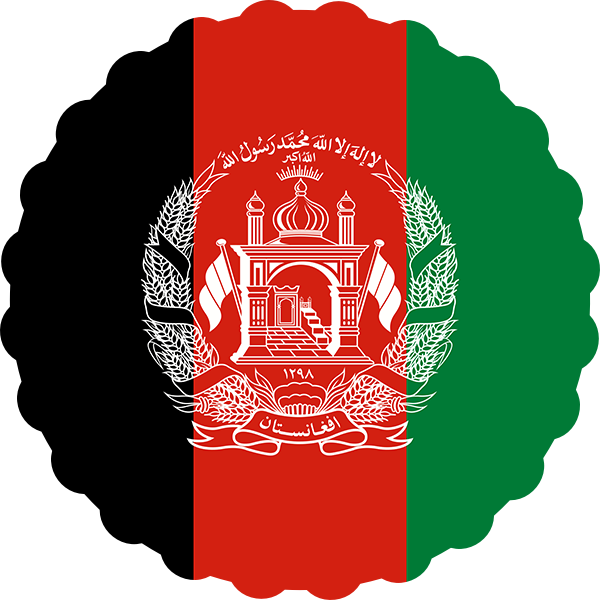
| Afghanistan, a mountainous country with a strategically significant position in Central Asia, has long played a pivotal role in regional and international dynamics. Despite possessing considerable natural resources and untapped developmental potential, the country has experienced profound political transformations over recent decades, from the establishment of the Islamic Republic to the return of the Taliban’s Islamic Emirate in 2021, developments that have generated substantial challenges related to political legitimacy, the rule of law, and the separation of powers. Within this evolving context, the human rights situation in Afghanistan has become a central concern at both domestic and international levels; although the country had previously committed to numerous international human rights instruments and achieved measurable progress, particularly in advancing women’s rights, media freedom, and minority protections, recent developments indicate a marked regression, as a growing body of international reports documents extensive restrictions on fundamental rights and civil liberties, thereby sustaining global concern and reinforcing Afghanistan’s position as a focal point in contemporary humanitarian and security discourse. |