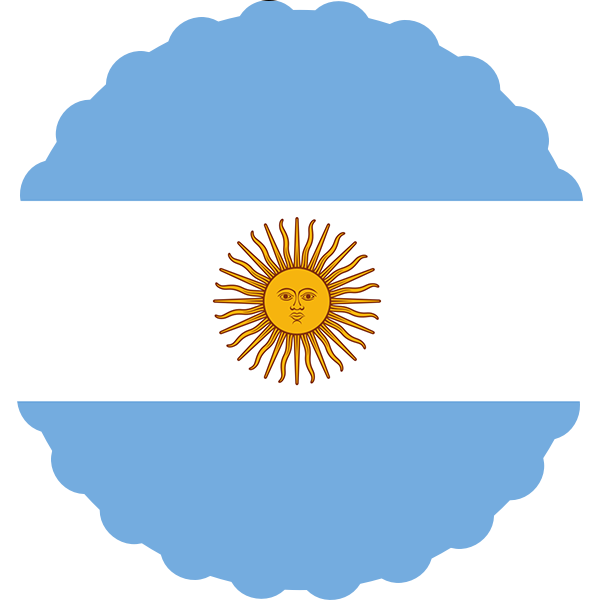
| Argentina, the second-largest country in South America, operates under a democratic republic with a federal structure. As a major regional and international player, Argentina plays a pivotal role in the Latin American economy, thanks to its vast natural resources, advanced agricultural sector, and diverse industrial base. Buenos Aires, the nation’s political and cultural capital, serves as the core hub for governance, economic activity, and artistic expression. The Argentine legal system is grounded in its Constitution and the principle of separation of powers, ensuring the rule of law and judicial independence. Human rights are deeply embedded in Argentina’s domestic policies. The country is an active signatory to numerous international human rights conventions and has implemented comprehensive legislation safeguarding freedom of expression, women's rights, minority protection, and anti-discrimination. On a global scale, Argentina actively participates in international organizations such as the United Nations, the Human Rights Council, and the Union of South American Nations (UNASUR). Through this engagement, Argentina consistently seeks to present itself as a nation dedicated to democracy, human rights, and sustainable development. |