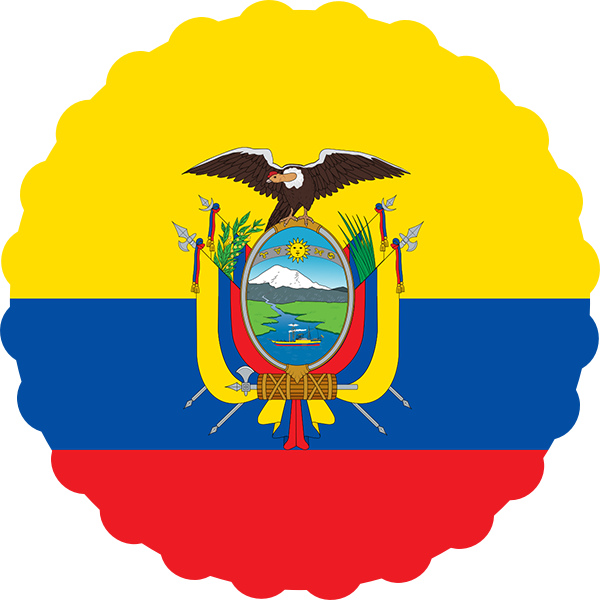
| Ecuador, located in the northwestern region of South America, is a democratic republic with a presidential system and an influential role in regional political and environmental affairs. Despite its relatively small geographic size, the country holds strategic importance due to its exceptional biodiversity, abundant natural resources, and location along the Pacific coast. Its capital, Quito, is both the political and cultural center of the country and a UNESCO World Heritage site recognized for its historical and architectural significance. Ecuador’s legal and political framework is shaped by its progressive 2008 Constitution, which upholds the rule of law, separation of powers, judicial independence, and the constitutional recognition of the “Rights of Nature,” making Ecuador the first country in the world to adopt such an approach toward environmental protection. In addition, Ecuador is a signatory to numerous international human rights conventions and actively participates in organizations such as the United Nations, the United Nations Human Rights Council, the Organization of American States, and the Union of South American Nations, reflecting its commitment to democracy, human rights, sustainable development, and regional cooperation. |