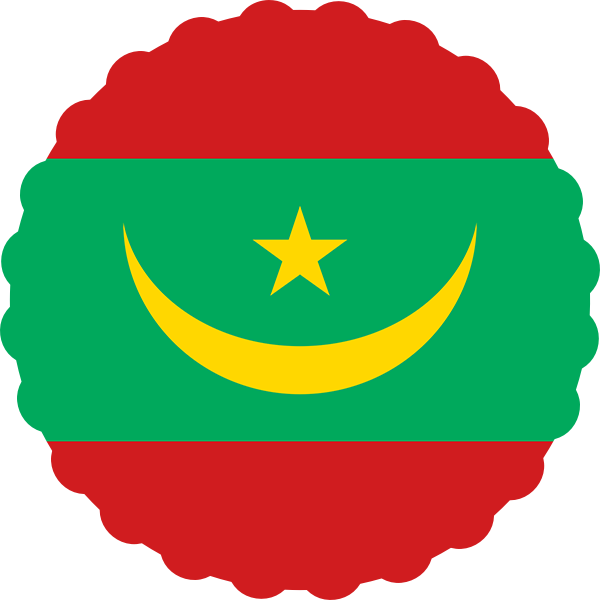
| Mauritania, located in Northwest Africa along the Atlantic Ocean and bordering Morocco, Algeria, Mali, and Senegal, is often regarded as a bridge between the Arab world and Sub-Saharan Africa. With a population of approximately five million and a diverse composition of Arab-Berbers, Haratines, and Black African communities, the country reflects a complex socio-cultural landscape, where Arabic is the official language alongside the widespread use of French and local languages. Despite its cultural richness and geopolitical significance, Mauritania presents a challenging human rights environment; although slavery was formally abolished in 1981 and criminalized in 2007, reports continue to indicate the persistence of contemporary forms of servitude and structural discrimination. Additional concerns include restrictions on freedom of expression, limited political participation, and gender inequality. While Mauritania is a member of the African Union and a party to key United Nations human rights instruments, the implementation of these commitments remains uneven, underscoring a significant gap between formal obligations and lived realities. |