Introduction
The attack on the Minab school, beyond its humanitarian and social dimensions, raises a series of important legal questions concerning the limits and requirements governing the conduct of States in armed conflicts. When an active educational facility and a group of children, teachers, and other civilians are exposed to military operations, a legal assessment of the incident must necessarily go beyond merely describing what occurred and examine it in relation to the protective rules of international law. Within this framework, the issue is not limited to identifying the intended target of the attack or determining the extent of the damage it caused. Rather, the more fundamental question is whether the legal requirements concerning the protection of civilians, particularly children, were observed throughout the processes of decision-making, target identification, risk assessment, and execution of the operation. Accordingly, the Minab incident can be examined at the intersection of several interrelated areas of international law, ranging from the special protections afforded to children to the principle of precautions in attack, the rules governing attribution and the international responsibility of States, the criteria for establishing war crimes, and the requirements concerning accountability and reparation.
This report provides a legal assessment of the 28 February 2026 attack on Shajareh Tayyebeh School in Minab, focusing on the rules governing the protection of children and educational facilities, the principles governing the conduct of hostilities, the international responsibility of States, individual criminal responsibility, and mechanisms for accountability and reparation. In this regard, the findings of the Independent International Fact-Finding Mission on the Islamic Republic of Iran, particularly its report A/HRC/63/61, dated 21 September 2026, provide an important basis for analyzing the incident. Applying the “reasonable grounds to believe” standard of proof, the Mission attributed the attack to the United States, found violations of obligations relating to distinction and precautions in attack, and identified reasonable grounds to believe that the war crime of intentionally directing an attack against a civilian object had been committed. Nevertheless, the findings of a fact-finding mechanism differ, in terms of their legal status and applicable standard of proof, from a final judicial determination concerning the criminal responsibility of individuals. Accordingly, while examining the legal and evidentiary significance of these findings, this report distinguishes between establishing a violation of international humanitarian law, attributing conduct to a State, establishing international responsibility, and determining the requirements for individual criminal responsibility.
Description of the Incident and the Documentary Basis for Legal Assessment
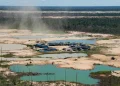
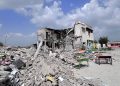
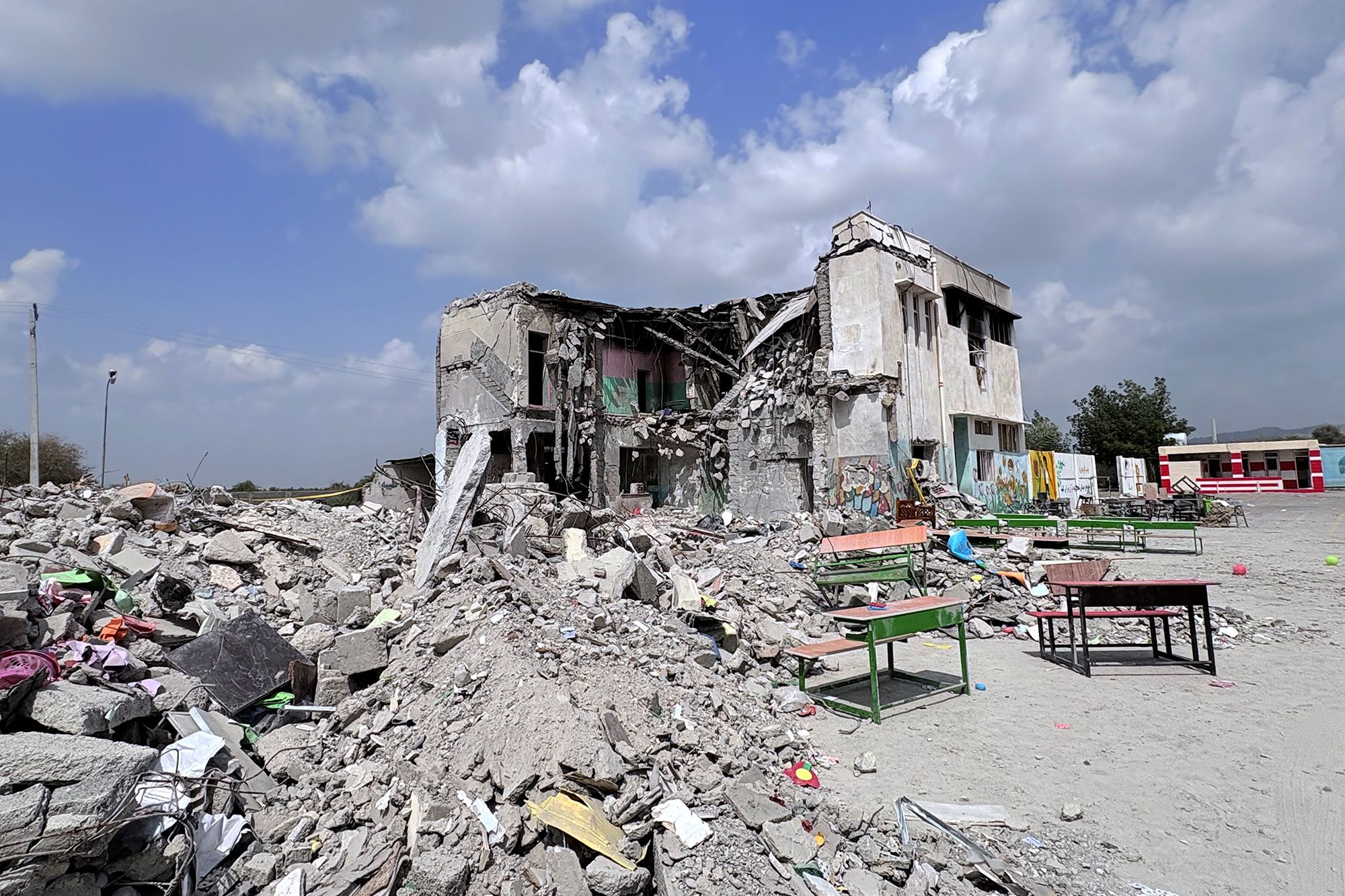
On 28 February 2026, during the initial hours of the military operations launched by the United States and Israel against Iran, Shajareh Tayyebeh School in the city of Minab, Hormozgan Province, was struck. According to paragraphs 80–98 of report A/HRC/63/61 of the United Nations Independent International Fact-Finding Mission, the school was functioning as an active educational facility at the time of the attack and was separated from the adjacent military compound by a wall and an independent entrance. After examining satellite imagery, visual evidence, and information concerning the nature of the building and the type of munitions used, the Mission concluded that the school building had been directly struck and that the damage sustained was neither the result of munitions deviating from their intended target nor incidental damage arising from an attack on neighboring facilities.
Regarding casualties, the Mission’s report refers to two sets of figures. Official statistics announced by the Minab judicial authorities on 9 April 2026 indicated that 156 people had been killed, including 120 students. Independent information cited by the Mission, however, placed the death toll at 157, including 123 children. The discrepancy between these two sets of figures demonstrates that the available data concerning the number of victims are not entirely consistent and underscores the importance of distinguishing between sources and ensuring accuracy when citing casualty figures.
Concerning the attribution of the attack, the Mission identified reasonable grounds to believe that the attack was attributable to the United States, taking into account evidence regarding the type of munitions used, the operational areas of the parties to the conflict, published reports concerning the preliminary findings of U.S. military investigations, and statements made by the Commander of U.S. Central Command. At the same time, the report explicitly states that the Mission’s requests for information from the U.S. government had remained unanswered by the time the document was finalized[1]. Taken together, these findings provide an important evidentiary basis for the legal assessment of the attack, considering the standard of proof applied by the Mission, its verification methods, and the limitations on access to the incident site and operational information. Nevertheless, a comprehensive reconstruction of the military decision-making process and the determination of the criminal responsibility of specific individuals still require further investigation.
The International Framework for the Rights of the Child
The attack on the Minab school can be considered to have multiple dimensions from the perspective of the international framework for the rights of the child. Article 6 of the Convention on the Rights of the Child recognizes the inherent right of every child to life and the necessity of ensuring their survival and development. Articles 28 and 29 of the Convention emphasize, respectively, the right to education and its educational objectives, including the development of the child’s personality and abilities. Article 24 also recognizes the child’s right to the enjoyment of the highest attainable standard of health[2]. Accordingly, the killing and injury of children in a school environment, the destruction of educational facilities, and the physical and psychological consequences of such an attack simultaneously affect a range of fundamental children’s rights, including the rights to life, health, education, and development. Furthermore, Article 39 of the Convention requires States Parties to take all appropriate measures to promote the physical and psychological recovery and social reintegration of children who have been victims of any form of neglect, exploitation, or abuse; torture or any other form of cruel, inhuman, or degrading treatment or punishment; or armed conflicts[3]. This provision underscores the importance of providing medical, psychological, educational, and social support to child survivors following the attack.
In this context, Article 38 of the Convention on the Rights of the Child is particularly significant because it links obligations concerning the protection of children with the rules of international humanitarian law. It requires States Parties to respect the rules of international humanitarian law relevant to children and to take all feasible measures to ensure the protection and care of children affected by armed conflicts. Paragraph 4 of this article provides: “In accordance with their obligations under international humanitarian law to protect the civilian population in armed conflicts, States Parties shall take all feasible measures to ensure protection and care of children who are affected by an armed conflict[4].” Thus, in addition to benefiting from the general protections against attacks on civilians, children present at the school are also entitled to special protections under international humanitarian law. Rule 135 of the International Committee of the Red Cross (ICRC) Study on Customary International Humanitarian Law likewise stipulates that children affected by armed conflict are entitled to special respect and protection. This principle is also reflected in Article 77(1) of Additional Protocol I, although the treaty status of the States concerned must be considered separately. Consequently, the protection of children in armed conflicts is not based solely on the provisions of the Convention on the Rights of the Child but also derives from independent rules of customary international humanitarian law. Nevertheless, the special protection afforded to children should not be interpreted as establishing a separate criminal offense for every attack resulting in child casualties; the determination of whether a war crime has been committed remains subject to the specific elements of the offense in question.
It is important to note, however, that the United States signed the Convention on the Rights of the Child in 1995 but has not ratified it and, consequently, is not a State Party to the treaty[5]. Although the United States has ratified the Optional Protocol to the Convention on the Rights of the Child on the Involvement of Children in Armed Conflict, that Protocol primarily addresses the recruitment and use of children in armed conflicts and does not constitute a direct legal basis for analyzing the attack on the school. Therefore, the provisions of the Convention on the Rights of the Child are primarily relevant to this report insofar as they clarify the legal dimensions of the harm suffered by children and the protections they require. By contrast, the principal legal basis for assessing the lawfulness of the attack and the potential responsibility of the United States consists of the applicable rules of international humanitarian law, particularly the principles of distinction and precautions in attack.
The Principle of Distinction and the Protection of Schools as Civilian Objects
From the perspective of legal classification, the armed conflict between Iran and the United States falls within the framework of international armed conflicts. Under Common Article 2 of the four Geneva Conventions of 1949, the use of armed force between States triggers the application of the rules governing international armed conflicts, regardless of whether war has been formally declared or the duration and intensity of the hostilities. In addition to determining the applicable framework of international humanitarian law, this classification is also significant for examining the categories of war crimes set out in Article 8(2)(b) of the Rome Statute.
Under the principle of distinction, parties to an armed conflict are required at all times to distinguish between civilians and combatants, as well as between civilian objects and military objectives, and to direct their attacks exclusively against military objectives. This principle is articulated in Articles 48 and 52 of Additional Protocol I of 1977, and its core requirements are reflected in Rules 1 and 7 of customary international humanitarian law. According to the definition established in Article 52(2) of the Protocol and customary Rule 8, an object qualifies as a military objective only when, first, by its nature, location, purpose, or use, it makes an effective contribution to military action and, second, its total or partial destruction, capture, or neutralization, in the circumstances ruling at the time, offers a definite military advantage. Both conditions must be satisfied simultaneously for an object to qualify as a military objective[6].
Schools, by virtue of their educational function, are generally classified as civilian objects and are protected against direct attack. A building does not lose its civilian character merely because it is located near a military base, previously formed part of a military compound, or is situated within the geographical area of military operations. Nevertheless, the protection of a school against direct attack is not absolute. If, under actual and specific circumstances, a school is used for military purposes and meets the legal criteria for classification as a military objective, it may lose its protection as a civilian object against direct attack for as long as those conditions persist. Even in such circumstances, compliance with the rules of proportionality and precautions remains mandatory, and the presence of children and other civilians must be independently considered when assessing the lawfulness of the attack.
Article 52(3) of Additional Protocol I further provides that, in cases of doubt as to whether an object normally dedicated to civilian purposes, including a school, is being used for military purposes, it shall be presumed not to be so used[7]. Given that the United States is not a party to Additional Protocol I and that disagreements exist concerning the customary status and interpretation of this legal presumption, its application to the United States must distinguish between treaty obligations, customary rules, and that State’s interpretive approach. Nevertheless, the prohibition against directly attacking civilian objects and the requirement to verify the nature of a target constitute independent obligations under international humanitarian law.
Regarding Shajareh Tayyebeh School in Minab, the United Nations Independent International Fact-Finding Mission on the Islamic Republic of Iran, in its report A/HRC/63/61, examined satellite imagery, pre-attack photographs and videos, and evidence concerning the condition of the building. The Mission emphasized the existence of a separating wall, an independent entrance, clearly identifiable features indicating educational use, and the school’s continued operation. The Mission also stated that it had obtained no information indicating that the school was being used for military purposes at the time of the attack. Accordingly, the building’s previous association with the adjacent military compound could not, in itself and without establishing the necessary legal conditions, constitute a sufficient basis for classifying it as a military objective. In paragraph 89, the Mission concluded that the school building itself was the intended point of impact and that the damage it sustained was not the result of an errant strike or collateral damage from an attack on neighboring facilities. This finding shifts the central focus of the legal assessment to the lawfulness of selecting and identifying the building itself as the target of the attack.
The Principle of Precautions in Attack
The principle of precautions in attack is one of the fundamental obligations under international humanitarian law, requiring parties to an armed conflict to take all feasible precautionary measures in the planning, decision-making, and execution of attacks to prevent and minimize harm to civilians. Article 57 of Additional Protocol I of 1977 to the Geneva Conventions provides a detailed formulation of these obligations. However, since neither the United States of America nor the Islamic Republic of Iran is a party to this Protocol, references to Article 57 must be based on the customary status of the relevant rules rather than on direct treaty obligations arising from membership in the Protocol.
Within this framework, Rules 15–21 of the International Committee of the Red Cross (ICRC) Study on Customary International Humanitarian Law elaborate on the various dimensions of the obligation to take precautions in attack. In particular, customary Rule 16 requires parties to take all feasible measures to verify that targets are military objectives, while Rule 19 provides that an attack must be cancelled or suspended if it becomes apparent that the target is not a military objective or that the attack may be expected to cause incidental civilian harm that would be excessive in relation to the concrete and direct military advantage anticipated. The other rules in this set also emphasize the selection of means and methods of attack with a view to minimizing civilian harm, the prior assessment of proportionality, the issuance of effective warnings where appropriate, and compliance with other feasible precautionary measures. Compliance with these obligations must be assessed on the basis of the information and resources available and the circumstances prevailing at the time the relevant decisions were made, rather than solely by reference to consequences that became apparent after the attack[8].
In assessing the attack on Shajareh Tayyebeh School in Minab, the central question is whether the information used to identify the target corresponded to the actual status of the building at the time of the attack and whether all feasible measures were taken to reassess its nature. In report A/HRC/63/61, the United Nations Independent International Fact-Finding Mission on the Islamic Republic of Iran, considering the evidence of the school’s educational activities, the physical separation of the building from the adjacent military compound, and the presence of identifiable indicators of its civilian use, concluded that the United States had failed to comply with its obligation to take all feasible measures to verify the target. In paragraph 124, the Mission explicitly identified the updating of targeting data and the use of up-to-date information as examples of feasible precautions and found a violation of the principle of precautions alongside a violation of the principle of distinction. This assessment demonstrates that the technical accuracy with which munitions strike designated coordinates does not, in itself, establish the lawfulness of an attack. Rather, the lawfulness of targeting depends, first and foremost, on the correct legal classification of the target and the adequacy of the measures taken to verify its status.
International Responsibility of States
Under the general rules governing the international responsibility of States, every internationally wrongful act attributable to a State entails the international responsibility of that State. Pursuant to Articles 1, 2, and 4 of the International Law Commission’s Articles on Responsibility of States for Internationally Wrongful Acts, State responsibility arises when conduct attributable to a State constitutes a breach of an international obligation binding upon that State. The conduct of armed forces, as organs of the State, is also, in principle, directly attributable to the State[9]. This rule is likewise emphasized in customary international humanitarian law. Rule 149 of customary international humanitarian law provides that a State is responsible for violations of international humanitarian law attributable to it, including:
- Violations committed by its organs, including its armed forces;
- Violations committed by persons or entities empowered by the State to exercise elements of governmental authority;
- Violations committed by persons or groups acting in fact on the instructions of the State or under its direction or control;
- Violations committed by private persons or groups whose conduct the State acknowledges and adopts as its own[10].
Regarding the Minab incident, the questions of attribution and the breach of international obligations have not remained merely hypothetical. In paragraph 98 of report A/HRC/63/61, the United Nations Independent International Fact-Finding Mission on the Islamic Republic of Iran identified reasonable grounds to believe, based on the body of evidence examined, that the attack was attributable to the United States. In paragraph 124, the Mission also concluded that obligations relating to the principle of distinction, the prohibition against attacks on civilian objects, and the principle of precautions had been violated. In paragraph 129, it further identified violations of international law attributable to State organs as grounds for the international responsibility of the State concerned. Under the general rules of State responsibility, conduct attributable to the armed forces of the United States that constitutes a breach of applicable international obligations entails the international responsibility of that State, although establishing such responsibility before an adjudicatory body remains subject to the evidentiary standards and jurisdictional requirements of that body. This responsibility is independent of any determination of individual criminal responsibility and does not require proof of the specific mental element of a war crime on the part of a particular commander or official. Nevertheless, the findings of the Fact-Finding Mission differ from a binding judgment of an international judicial body in terms of their institutional status and legal effects.
Where an internationally wrongful act attributable to a State is established, the general rules governing the international responsibility of States provide, as appropriate, for the cessation of the wrongful conduct if it is continuing, the provision of appropriate assurances and guarantees of non-repetition, and full reparation for the injury resulting from the breach. Article 31 of the Articles on State Responsibility establishes the obligation of the responsible State to make full reparation for the injury caused by the internationally wrongful act. This principle was previously recognized in the jurisprudence of the Permanent Court of International Justice, particularly in the 1928 Factory at Chorzów case, and has acquired a fundamental position in the law of State responsibility[11].
Rule 150 of customary international humanitarian law establishes the obligation of a responsible State to make full reparation for the loss or injury caused by a violation of international humanitarian law. It provides: “A State responsible for violations of international humanitarian law is required to make full reparation for the loss or injury caused[12].” The jurisprudence of the International Court of Justice, including the case concerning Armed Activities on the Territory of the Congo (Democratic Republic of the Congo v. Uganda), also demonstrates that violations of international humanitarian law attributable to a State may give rise to international responsibility and an obligation to make reparation for the resulting damage. The Court found that the Uganda Peoples’ Defence Forces (UPDF) had committed violations of international humanitarian law and human rights law and that those violations were attributable to Uganda. The Court further clarified that Uganda’s international responsibility extended to conduct attributable to its armed forces and their members, even where they had exceeded their authority or acted contrary to instructions. This approach is consistent with Article 7 of the Articles on State Responsibility, which addresses the attribution of conduct by State organs acting in excess of their authority or contrary to instructions[13].
War Crimes
From the perspective of international criminal law, not every violation of international humanitarian law necessarily constitutes a war crime. Rather, pursuant to Rule 156 of customary international humanitarian law, serious violations of international humanitarian law constitute war crimes[14]. Article 8(2)(b) of the Rome Statute of the International Criminal Court identifies several categories of war crimes committed in international armed conflicts, some of which are directly relevant to the attack on the Minab school. Subparagraphs (i) and (ii) criminalize, respectively, intentionally directing attacks against the civilian population or individual civilians not taking direct part in hostilities, and intentionally directing attacks against civilian objects. Furthermore, subparagraph (ix) of the same provision identifies intentionally directing attacks against buildings dedicated to education, religion, art, science, or charitable purposes, as well as other protected buildings, as war crimes, provided they are not military objectives. Accordingly, an attack on a school that retained its civilian status at the time of the incident may be subject to criminal assessment not only under the general prohibition against attacks on civilian objects but also under the specific protection afforded to educational facilities. In addition, Article 8(2)(b)(iv) of the Rome Statute criminalizes intentionally launching an attack in the knowledge that it will cause incidental civilian deaths or injuries, damage to civilian objects, or widespread, long-term and severe damage to the natural environment that would be clearly excessive in relation to the concrete and direct overall military advantage anticipated, subject to the conditions stipulated in that provision. Nevertheless, this latter category must be distinguished from direct attacks against civilian objects, since the rule of proportionality fundamentally concerns the assessment of foreseeable incidental harm arising from attacks against military objectives and cannot justify a direct attack against a civilian target[15].
The commission of a war crime requires not only the existence of prohibited material conduct but also the establishment of the mental element prescribed under international criminal law. Pursuant to Article 30 of the Rome Statute, unless otherwise provided, criminal responsibility arises when the material elements of a crime are committed with intent and knowledge[16]. In cases involving attacks against civilians or civilian objects, the mere occurrence of harm, or even proof of a violation of a rule of international humanitarian law, is not sufficient in itself to establish the commission of a war crime. Rather, the specific elements of the offense must be established, including the nature of the target, the protected status of the persons or objects concerned, and the perpetrator’s degree of knowledge or intent regarding these elements. In assessing the mental element, a distinction must be drawn between the specific standards established under the Rome Statute and those applicable under customary international criminal law or other judicial systems. Article 30 of the Rome Statute establishes intent and knowledge as the basis for criminal responsibility in the absence of a specific provision to the contrary, whereas the status of recklessness and dolus eventualis in international criminal law, particularly in relation to the specific standards of the Rome Statute, remains a matter of legal debate and disagreement. In paragraph 125 of report A/HRC/63/61, the Independent International Fact-Finding Mission assessed the conduct attributed to the United States as going beyond mere negligence and, referring to awareness of the substantial risk of attacking a civilian object, employed the concepts of recklessness and dolus eventualis. Nevertheless, this assessment, which is based on the “reasonable grounds to believe” standard of proof, does not substitute for a judicial determination of the material and mental elements of the crime in relation to a specific individual or individuals.
In this context, a distinction must be made between using the Rome Statute as a framework for identifying and analyzing the elements of war crimes and establishing the jurisdiction of the International Criminal Court to adjudicate the incident. Neither the Islamic Republic of Iran nor the United States of America is a State Party to the Rome Statute. Consequently, the mere occurrence of the conduct in question on Iranian territory or its attribution to American nationals does not, in itself, provide a basis for the Court’s jurisdiction. The exercise of the Court’s jurisdiction may become possible if the conditions prescribed by the Statute are satisfied, including Iran’s acceptance of the Court’s jurisdiction under Article 12(3), a referral of the situation by the United Nations Security Council pursuant to Article 13(b), or the existence of another independent basis for territorial or nationality-based jurisdiction. This jurisdictional limitation does not preclude the assessment of the conduct in question under the rules of customary international humanitarian law or the examination of the potential criminal responsibility of individuals before competent national courts. In this regard, the possibility of exercising territorial jurisdiction, nationality-based jurisdiction, or universal jurisdiction must be assessed in light of the domestic legislation of the State exercising jurisdiction, requirements concerning the presence of the accused, rules governing immunities, and other applicable legal conditions.
The Obligation to Investigate and Prosecute War Crimes
Under international humanitarian law, accountability for serious violations is not limited to establishing the international responsibility of a State or the payment of compensation; rather, it may also give rise to independent obligations concerning criminal investigation and prosecution. Pursuant to Rule 158 of customary international humanitarian law, States are required to investigate war crimes allegedly committed by their nationals or armed forces, or on their territory, and, where appropriate, to take the necessary steps to prosecute the suspects. The four Geneva Conventions of 1949 also establish specific obligations concerning the search for, prosecution of, or handing over for trial of persons suspected of grave breaches covered by the relevant provisions[17].
Regarding the attack on the Minab school, the findings of the United Nations Independent International Fact-Finding Mission on the Islamic Republic of Iran, particularly its identification of reasonable grounds to believe that a war crime had been committed, underscore the need for independent, effective, and comprehensive investigations. Such investigations must enable an examination of the circumstances surrounding the attack, an assessment of the conduct of the individuals involved, and the establishment of the specific elements required for criminal responsibility. Within this framework, the scope of the investigations and the standards for evaluating evidence must be determined in light of the nature of the conduct under examination, the applicable criminal offense, and the legal requirements of the adjudicatory body concerned.
Accountability and Reparation
Under international law, reparation is one of the principal consequences of establishing international responsibility. Article 31 of the Articles on State Responsibility provides that the responsible State is obliged to make full reparation for the injury caused by an internationally wrongful act. Such injury includes any damage, whether material or moral, resulting from the internationally wrongful act of a State. Article 34 of the same Articles further identifies the forms of reparation as restitution, compensation, and satisfaction, which may be applied either individually or in combination, as appropriate[18].
In examining the rights of victims and the various dimensions of reparation, the Basic Principles and Guidelines on the Right to a Remedy and Reparation for Victims of Gross Violations of International Human Rights Law and Serious Violations of International Humanitarian Law, adopted by the United Nations General Assembly through Resolution 60/147 on 16 December 2005, are of particular significance. This instrument is not a treaty and does not, in itself, create new international legal obligations. Rather, it sets out the principles, mechanisms, and methods for implementing existing obligations under international human rights law and international humanitarian law. Within this framework, the instrument emphasizes three principal elements: equal and effective access to justice; adequate, effective, and prompt reparation for harm suffered; and access to relevant information concerning violations and reparation mechanisms. Accordingly, its relevance to the Minab case primarily lies in clarifying the rights and needs of victims and identifying appropriate forms of reparation, while the legal basis for obliging the responsible State to provide reparation must be determined in light of the applicable rules governing the international responsibility of States, customary international humanitarian law, and other relevant obligations[19].
Regarding the nature of reparation, the instrument identifies five principal forms. Restitution, wherever possible, should restore the victim to the situation that existed before the violation, including the restoration of liberty, rights, identity, family life, employment, or property. Compensation covers economically assessable damage, including physical or mental harm, lost opportunities such as education and employment, material damage, loss of earnings, and medical, legal, and expert assistance costs. Rehabilitation encompasses medical and psychological care, as well as legal and social services. Satisfaction may include measures such as establishing the truth, investigating and disclosing the facts, searching for missing persons, identifying victims and ensuring their dignified burial, issuing official apologies, imposing judicial or administrative sanctions, and commemorating victims. Finally, guarantees of non-repetition concern structural reforms aimed at preventing the recurrence of violations, such as strengthening civilian control over military and security forces, ensuring judicial independence, providing education in human rights and international humanitarian law, and reforming practices and institutions that have contributed to the violations[20].
In the Minab case, appropriate forms of reparation may, depending on the nature and extent of the established harm, encompass damages arising from deaths and injuries, the costs of medical treatment and physical and psychological rehabilitation, disruption of educational opportunities, damage to educational infrastructure, and the material and moral harm suffered by victims’ families. Nevertheless, the effective realization of reparation requires establishing the legal basis for responsibility, demonstrating a causal link between the wrongful conduct and the alleged injury, determining the extent of the damage, and identifying an appropriate legal mechanism through which reparation may be claimed and the relevant obligations enforced. Accordingly, the existence of a substantive legal basis for responsibility and reparation should not be equated with automatic access by victims to a competent judicial forum or the unobstructed enforcement of decisions concerning reparation.
From the perspective of the international responsibility of States, claims for reparation may be pursued through diplomatic mechanisms, inter-State negotiations, special reparation agreements, or proceedings before judicial and arbitral bodies possessing the requisite jurisdiction. However, instituting proceedings against the United States before the International Court of Justice requires establishing an independent basis for the Court’s jurisdiction under Article 36 of its Statute. The mere allegation of a violation of international humanitarian law does not, in itself, confer contentious jurisdiction upon the Court. At the domestic level, claims for damages may also encounter limitations arising from the jurisdictional immunity of foreign States, requirements governing the jurisdiction of national courts, evidentiary standards, and obstacles to the recognition and enforcement of judgments. Consequently, an assessment of available remedies must consider not only the legal basis for responsibility and the extent of the damage but also access to a competent forum, the enforceability of decisions, and the legal status of victims and their representatives.
Priorities and Practical Approaches to Seeking Legal Redress
The first priority in pursuing legal redress in the Minab case is to compile an evidentiary dossier focused on reconstructing the process through which the school building was identified, assessed, and selected as the target of a military operation. The collection of documents concerning changes in the building’s use, official records of its educational activities, pre-attack satellite imagery, maps showing the separation of the school from the adjacent military compound, and technical analyses of the points of impact and munition remnants must, in addition to establishing the school’s civilian status, determine when the indicators of that status could have been identified before the attack and what information and resources were available for that purpose. Alongside these measures, it is essential to prepare specific, well-documented requests for access to U.S. intelligence and operational records, including the date of the most recent update to targeting information, target validation reports, collateral damage assessments, and operational approval documents. All evidence must also be documented with records of its provenance, verification methods, and chain of custody. The final outcome should be a technical and legal dossier that separately presents the evidence concerning the school’s civilian status, the attribution of the attack, violations of the obligations of distinction and precautions, and the potential elements of a war crime. For each issue, the dossier should identify the available evidence, evidentiary limitations, and information required for further investigations.
At the level of international State responsibility, priority should be given to preparing and formally communicating a documented claim by Iran against the United States. On the basis of Articles 42 and 43 of the Articles on State Responsibility, Iran may, while asserting violations of obligations under international humanitarian law, submit specific requests concerning the disclosure of the findings of military investigations into the attack, an explanation of the basis for classifying the building as a military objective, identification of when the targeting information was last updated, clarification of the measures taken to verify the target, and disclosure of the measures adopted to prevent the recurrence of similar incidents. A claim for reparation should also be submitted alongside these requests. The significance of this measure is not limited to formally articulating a legal position. Rather, the official documentation of claims and responses, or refusals to respond, makes it possible to establish a record of the process of invoking responsibility and to assess subsequent avenues for dispute settlement. Nevertheless, a refusal to provide information should not, in itself, be regarded as conclusive evidence of criminal responsibility or as legal acceptance of the claims[21].
Alongside inter-State claims, the use of existing mechanisms within the U.S. military structure also warrants consideration. U.S. Central Command (CENTCOM) maintains a formal mechanism for receiving reports of civilian harm, while U.S. Department of Defense Instruction 3000.17 provides, under specified circumstances, for the reopening of previous assessments or the initiation of new investigations. Accordingly, duly authorized legal representatives may, subject to the consent of victims and confidentiality considerations, submit a documented report concerning the Minab incident and request that the findings of the Fact-Finding Mission, evidence relating to the building’s educational use, and any potentially relevant new information be considered in the military assessment[22]. This avenue is not a substitute for judicial redress or the invocation of international responsibility, nor does its use guarantee the disclosure of documents, acknowledgment of responsibility, or payment of compensation. Nevertheless, it may serve as one of the specific channels through which an official review can be requested, supplementary information placed on record, and the findings of investigations followed up. Within this framework, it is essential to distinguish between potential ex gratia payments, which do not necessarily constitute an acknowledgment of legal responsibility, and full reparation based on the international responsibility of a State[23].
In the area of individual criminal responsibility, the possibility of bringing proceedings before the national courts of third States should begin with a legal assessment of specific judicial systems. For example, Section 1 of Germany’s Code of Crimes against International Law (Völkerstrafgesetzbuch, VStGB) provides for jurisdiction over certain international crimes committed outside German territory, even in the absence of a territorial or personal connection to Germany. However, Section 153f of the German Code of Criminal Procedure (Strafprozessordnung, StPO) grants prosecutorial authorities discretion to refrain from prosecution under certain circumstances, including where the suspect is not present in Germany and is not expected to enter the country[24]. Therefore, before deciding to file a criminal complaint, it is necessary to examine the applicable criminal offense, the available information concerning the individuals involved, access to evidence, and the legal conditions for initiating investigations. A preliminary assessment by lawyers familiar with the practice of Germany’s Federal Public Prosecutor General could determine whether the case, in its current state, can be effectively brought before the competent authorities or whether priority should first be given to obtaining further information concerning the chain of command and decision-making process. The mere existence of universal jurisdiction, without consideration of these limitations, does not provide a sufficient basis for recommending the initiation of proceedings.
Regarding the International Criminal Court, acceptance of the Court’s jurisdiction pursuant to Article 12(3) of the Rome Statute remains a legal option that Iran may consider. However, such acceptance should not be regarded as a measure limited exclusively to the prosecution of the Minab attack or as a guarantee that American individuals will be prosecuted. Such a decision may have jurisdictional implications for other crimes falling within the scope of the Statute during the accepted temporal and territorial parameters and may also entail obligations to cooperate with the Court. Furthermore, acceptance of jurisdiction does not, in itself, result in the initiation of an investigation. Accordingly, any decision concerning this option must be based on an independent assessment of the conditions governing the exercise of jurisdiction, the admissibility of the case, the sufficiency of evidence, cooperation requirements, and its potential legal consequences. Until such a decision is made, utilizing the capacity of the United Nations Fact-Finding Mission to supplement and preserve evidence, particularly through the submission of documents concerning the school’s status and the provision of safe and voluntary access to witnesses and survivors, represents a more practical approach to strengthening the evidentiary foundations of the case.
In the area of reparation, it is essential to distinguish the general case file concerning the attack from the individual case files of victims. The personal details and legal status of each victim, medical records and death certificates, treatment costs, physical and psychological injuries, economic losses suffered by families, the consequences of deprivation of education, and the rehabilitation needs of survivors must be documented in individual case files while ensuring the confidentiality of the information. These records should be supplemented by expert assessments of damages and the establishment of causal links, so that, if access to a judicial or negotiated reparation mechanism becomes possible, the evidence will not need to be reconstructed. Furthermore, the pursuit of compensation should not make the immediate provision of medical, psychological, educational, and other support services to affected individuals dependent on the outcome of judicial proceedings. This is because support for survivors and claims for reparation against the responsible State constitute two related but independent avenues of action.
The overall conclusion of this assessment is that selecting an appropriate mechanism for seeking legal redress in the Minab case requires a combined evaluation of the legal grounds for international responsibility, the sufficiency of evidence, the conditions governing the exercise of judicial jurisdiction, and the practical obstacles to enforcing decisions. Within this framework, completing the evidentiary dossier and identifying the capacities and limitations of each available legal avenue should form the basis for developing a strategy that, while enabling the pursuit of State responsibility and the criminal prosecution of individuals, also takes into account the need to ensure that victims and their families can obtain effective reparation for the harm they have suffered.
Conclusion
The 28 February 2026 attack on Shajareh Tayyebeh School in Minab raises a fundamental question concerning the protection of civilians in armed conflicts: How did a building that was identifiable as a functioning school, with an independent entrance and physical separation from adjacent military facilities, become the direct target of a military operation? The legal significance of this question becomes even more apparent in light of the findings of the United Nations Independent International Fact-Finding Mission on the Islamic Republic of Iran in report A/HRC/63/61, which indicate that the school was directly struck, that there was no evidence of its use for military purposes at the time of the attack, and that reasonable grounds were identified to attribute the attack to the United States. The Mission also concluded that obligations concerning distinction and the adoption of feasible precautionary measures had been violated and identified reasonable grounds to believe that the war crime of directing an attack against a civilian object had been committed. Despite their evidentiary significance, these findings do not constitute a final judicial determination concerning the criminal responsibility of individuals. Nevertheless, they provide a substantial basis for demanding explanations regarding the process through which the target was selected and approved and for pursuing independent investigations.
From a legal perspective, the central issue in this case is not merely identifying the party responsible for launching the strike or determining the type of munitions used, but reconstructing the chain of decision-making that led to the attack. It is necessary to establish when information concerning the building’s use was collected and last updated, what indicators of the school’s educational activities were available to intelligence and operational units, and whether feasible measures were taken to verify the target’s status before the attack was authorized. Answering these questions is crucial for distinguishing between an intelligence failure, a breach of the obligation to take precautions, and the possible fulfillment of the elements of a war crime. In this regard, even establishing serious deficiencies in the targeting process would not, in itself, be sufficient to prove individual criminal responsibility. It would also be necessary to identify the roles, levels of knowledge, and mental elements of the individuals involved in deciding upon and executing the attack. By contrast, the international responsibility of the State may be invoked independently of proof of individual criminal responsibility, provided that the attribution of the conduct and the breach of applicable international obligations are established.
Nevertheless, reducing the Minab case to the question of the lawfulness of military targeting would overlook a significant part of its human rights implications. According to the independent information cited by the Fact-Finding Mission, 157 people, including 123 children, were killed in the attack. These casualties, together with the destruction of an educational environment, directly link the incident to the protection of children’s right to life, continued access to education, and the need to address the physical and psychological harm suffered by survivors. Accordingly, efforts to seek legal redress must extend beyond determining the responsibility of those involved to include the individual documentation of harm suffered by victims and their families, an assessment of the attack’s long-term consequences for survivors, and the establishment of grounds for claiming compensation, rehabilitation, and other forms of reparation. The provision of medical, psychological, and educational support to affected children must likewise not be made dependent on the outcome of judicial proceedings or the acknowledgment of responsibility by the State to which the attack is attributed.
Accordingly, an effective approach to seeking legal redress in the Minab case rests on three specific measures: first, compiling a technical and legal evidentiary dossier focused on the school’s civilian status, targeting information, and the chain of military decision-making; second, formally invoking the responsibility of the United States and seeking reparation, accompanied by requests for the disclosure of investigative findings and explanations concerning the grounds for selecting the target; and third, assessing the possibility of criminal prosecution before competent national courts and examining the conditions for utilizing other international mechanisms. In this process, the most significant challenge is not the absence of legal rules protecting schools and children, but rather access to operational information, establishing the responsibility of specific individuals, and transforming fact-finding findings into evidence that can be relied upon before competent adjudicatory bodies. From this perspective, the Minab case constitutes a specific test of the effectiveness of international accountability mechanisms in addressing attacks on educational facilities and of the possibility for victims, particularly children and their families, to obtain truth, justice, and effective reparation.
References
[1] Independent International Fact-Finding Mission on the Islamic Republic of Iran. (2026, September 21). Report of the Independent International Fact-Finding Mission on the Islamic Republic of Iran (A/HRC/63/61). United Nations Human Rights Council. From: https://docs.un.org/en/A/HRC/63/61
[2] OHCHR. (1989, November 20). Convention on the Rights of the Child. OHCHR. From: https://www.ohchr.org/en/instruments-mechanisms/instruments/convention-rights-child
[3] UNICEF. (1989, November 20). Convention on the Rights of the Child. UNICEF. From: https://www.unicef.org/child-rights-convention/convention-text
[4] MSD. (1989, November 20). Convention on the Rights of the Child. MSD. From: https://www.msd.govt.nz/documents/about-msd-and-our-work/publications-resources/monitoring/uncroc/uncrc.pdf
[5] UN Treaty Collection. (1989, November 20). Convention on the Rights of the Child. UN Treaty Collection. From: https://treaties.un.org/pages/viewdetails.aspx?src=treaty&mtdsg_no=iv-11&chapter=4&clang=_en
[6] International Committee of the Red Cross (ICRC). (2005). Customary International Humanitarian Law, Volume I: Rules (Rules 1, 7, and 8). ICRC. From: https://ihl-databases.icrc.org/en/customary-ihl/v1
[7] International Committee of the Red Cross (ICRC). (1977, June 8). Protocol Additional to the Geneva Conventions of 12 August 1949, and relating to the Protection of Victims of International Armed Conflicts (Protocol I), Articles 48 and 52. ICRC. From: https://ihl-databases.icrc.org/en/ihl-treaties/api-1977/title
[8] ICRC. (n.d). Rule 19, Control during the Execution of Attacks. ICRC. From: https://ihl-databases.icrc.org/en/customary-ihl/v1/rule19
[9] UN. (2001). Responsibility of States for Internationally Wrongful Acts. UN. From: https://legal.un.org/ilc/texts/instruments/english/draft_articles/9_6_2001.pdf
[10] ICRC. (n.d). rule 149, Responsibility for violations of International Humanitarian Law. ICRC. From: https://ihl-databases.icrc.org/en/customary-ihl/v1/rule149
[11] UN. (2001). Article 31. Reparation. UN. From: https://legal.un.org/legislativeseries/pdfs/chapters/book25/english/book25_part2_ch1_art31.pdf
[12] ICRC. (n.d). rule 150, Reparation. ICRC. From: https://ihl-databases.icrc.org/en/customary-ihl/v1/rule150
[13] ICJ. (1999, June 23). Armed Activities on the Territory of the Congo (Democratic Republic of the Congo v. Uganda). ICJ. From: https://www.icj-cij.org/case/116
[14] ICRC. (n.d). rule 156, Definition of War Crimes. ICRC. From: https://ihl-databases.icrc.org/en/customary-ihl/v1/rule156
[15] International Criminal Court (ICC). (1998, July 17). Rome Statute of the International Criminal Court, Article 8(2)(b)(i), (ii), (iv), and (ix). International Criminal Court. From: https://www.icc-cpi.int/publications/core-legal-texts/rome-statute-international-criminal-court
[16] ICC. (2011). Rome Statute of the International Criminal Court. ICC. From: https://www.icc-cpi.int/sites/default/files/NR/rdonlyres/ADD16852-AEE9-4757-ABE7-9CDC7CF02886/283503/RomeStatutEng1.pdf
[17] International Committee of the Red Cross (ICRC). (2005). Customary International Humanitarian Law, Volume I: Rules, Rule 158: Prosecution of War Crimes. ICRC. From: https://ihl-databases.icrc.org/en/customary-ihl/v1/rule158
[18] UN. (2001). Responsibility of States for Internationally Wrongful Acts. UN. From: https://legal.un.org/ilc/texts/instruments/english/draft_articles/9_6_2001.pdf
[19] OHCHR. (2005, December 16). Basic Principles and Guidelines on the Right to a Remedy and Reparation for Victims of Gross Violations of International Human Rights Law and Serious Violations of International Humanitarian Law. OHCHR. From: https://www.ohchr.org/en/instruments-mechanisms/instruments/basic-principles-and-guidelines-right-remedy-and-reparation
[20] OHCHR. (n.d). What are the rights of victims of human rights violations. OHCHR. From: https://seoul.ohchr.org/sites/default/files/2022-10/04_What%20are%20victims%20rights_formatting_FIN_ENG.pdf
[21] International Law Commission (ILC). (2001). Draft Articles on Responsibility of States for Internationally Wrongful Acts, Articles 42–43. United Nations. From: https://legal.un.org/ilc/texts/instruments/english/draft_articles/9_6_2001.pdf
[22] U.S. Department of Defense. (2023). DoD Instruction 3000.17: Civilian Harm Mitigation and Response, Section 4.5(d), p. 35. U.S. Department of Defense. From: https://www.esd.whs.mil/Portals/54/Documents/DD/issuances/dodi/300017p.pdf
[23] U.S. Department of Defense. (2025). Annual Report on Civilian Casualties in Connection with United States Military Operations in 2024, Section III, p. 10. U.S. Department of Defense. From: https://www.ecoi.net/en/file/local/2132987/TAB%20B-2024_1057_Report_final.pdf
[24] Open Society Justice Initiative, TRIAL International, & Allen & Overy. (2019). Universal Jurisdiction Law and Practice in Germany, pp. 4, 18–19. Open Society Justice Initiative. From: https://trialinternational.org/wp-content/uploads/2022/05/UJ-Germany.pdf