Introduction
The Peruvian Amazon, which forms part of one of the world’s most important ecosystems and is home to numerous Indigenous peoples, including those living in voluntary isolation, has in recent years witnessed the expansion of organized crime and the erosion of the rule of law. The growth of illicit economies, ranging from drug trafficking and illegal gold mining to land grabbing and the unauthorized exploitation of forest resources, has gradually given rise to networks of power and influence whose activities extend beyond organized criminal activity and affect the economic, social, and territorial dynamics of local communities. What makes recent developments in the Peruvian Amazon particularly significant is the emergence of patterns of criminal governance against a backdrop of limited presence of State institutions and ineffective protection mechanisms. Beyond environmental degradation, this situation poses serious threats to the fundamental rights of Indigenous peoples, including their rights to life, security, collective ownership of ancestral lands, and the preservation of their identity and traditional ways of life. In this context, the State’s response to the growing influence of criminal networks and the role of Indigenous peoples in policies aimed at countering this phenomenon are central to assessing the human rights situation in the region. From this perspective, the current crisis in the Peruvian Amazon cannot be regarded merely as a security or environmental issue. Rather, it reflects a deeper challenge concerning territorial governance, the rule of law, and the protection of the individual and collective rights of peoples whose security, livelihoods, and cultural continuity are inextricably linked to their ancestral lands.
Incidents
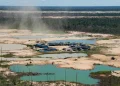
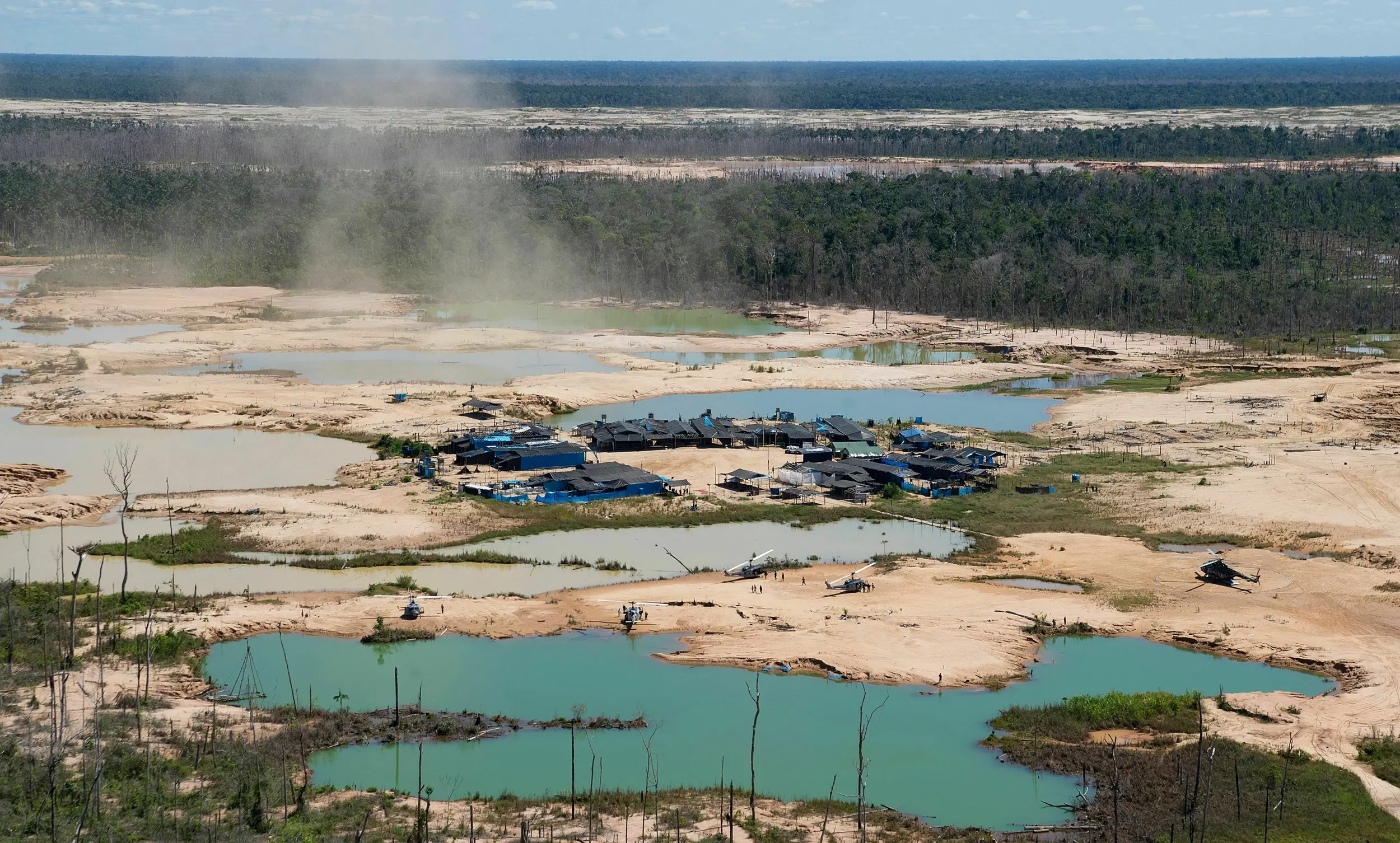
Indigenous communities have inhabited the Peruvian Amazon for thousands of years. Following historical experiences of violence, exploitation, and incursions by outsiders into their territories, some of these peoples have chosen to avoid sustained contact with the dominant society and live in voluntary isolation. The rubber boom of the late nineteenth and early twentieth centuries and the large-scale influx of those seeking to exploit the Amazon rainforest had devastating consequences for many of these communities. In the twenty-first century, the expansion of illicit economies and the growing influence of criminal networks have created new threats to their security, health, and cultural survival[1]. Across the Amazon, activities such as illegal gold mining, drug trafficking, illegal logging, wildlife trafficking, fuel smuggling, and human trafficking are increasingly conducted through interconnected networks. Networks operating within these illicit economies share routes, infrastructure, financial resources, and armed protection arrangements. This enables criminal organizations to diversify their sources of revenue, mitigate the risks associated with their operations, and rapidly adapt to market fluctuations and government pressure[2]. The expansion of drug trafficking networks, the increase in illegal logging and land grabbing, and the construction of roads and clandestine airstrips have increasingly endangered the security of several Indigenous communities in the Peruvian Amazon, particularly the Kakataibo people. By encroaching upon Indigenous territories, these networks have not only destroyed forests and sources of livelihood but also threatened local leaders and exposed communities to violence, displacement, and the loss of control over their ancestral lands. According to a joint report published in May 2026 by Amazon Watch and several Peruvian Indigenous and research organizations, the expansion of illicit economies and associated violence resulted in the killing of at least 29 Indigenous leaders between April 2020 and December 2025, 19 of whom were killed in connection with their efforts to defend their territories against the expansion of drug trafficking. The report further indicates that 274 Indigenous communities have been affected by illicit economies[3].
The Ucayali region is one of the principal hotspots for the expansion of illicit economies and the intensification of threats against Indigenous communities in the Peruvian Amazon. The construction of clandestine airstrips and the expansion of illicit coca cultivation for cocaine production have posed serious threats to the security and integrity of Indigenous territories in the region. These activities must, however, be distinguished from the traditional and lawful cultivation and consumption of coca leaves, which have historically held an important place in the cultures of several Indigenous peoples of the Andean region. Meanwhile, the coca eradication program has had a counterproductive effect, driving coca cultivation into more remote areas and Indigenous territories[4]. According to a report by Global Witness, the area under coca cultivation in the Ucayali region increased by more than 600 percent between 2019 and 2023, reaching over 12,000 hectares. Furthermore, the joint report published in May 2026 by Amazon Watch and Peruvian Indigenous and research organizations indicates that, in 2024, approximately 12,274 hectares of land belonging to 252 Indigenous communities in the Peruvian Amazon were under coca cultivation, accounting for approximately 14 percent of the total area under coca cultivation in Peru[5].
This situation has driven criminal groups to expand their trafficking networks, including through the construction of roads and the establishment of illegal routes across the Amazon rainforest. Under these circumstances, Indigenous communities, despite their independent efforts to protect their territories, face significant constraints. In some cases, in addition to facing threats from criminal networks, they face pressure from State forces or are subjected to disproportionate security measures[6]. René Santiago Ti, president of Charip, the territorial monitoring group of the Indigenous Wampís people, criticized the lack of an effective presence of the Peruvian Army and National Police in the Santiago River area in an interview published by Mongabay on November 12, 2025. He expressed dissatisfaction with the State’s weak territorial control and the lack of adequate security support for Indigenous communities in the face of existing threats[7].
Challenges and Responses
- Institutional Shortcomings and the Ineffectiveness of the Peruvian Government’s Protection Policies
One of the principal factors exacerbating the crisis is the Peruvian Government’s inability to ensure the long-term security of Indigenous communities and prevent the expansion of illicit economies in the Amazon. The killing of several Indigenous leaders, despite the authorities’ prior knowledge of the threats against them, demonstrates that official protection mechanisms have largely been implemented too late, have been temporary in nature, or have lacked sufficient resources for effective implementation. In some areas, corruption and the infiltration of local institutions by criminal networks have exacerbated the risks faced by defenders of forests and Indigenous territories. Reports have also emerged of collaboration between certain local officials and criminal networks, the involvement of police officers in illegal gold mining, and the capture of local institutions by criminal groups. The abrupt withdrawal of State institutions from joint operations against illegal mining in the territory of the Wampís people[8], followed by an attack on the Indigenous Guard by armed individuals, further illustrates the lack of protection afforded to Indigenous communities against criminal networks. Moreover, on September 4, 2025, after more than two decades of efforts by Indigenous organizations, Peru’s Multisectoral Commission on Indigenous Peoples in Isolation and Initial Contact (PIACI) rejected the Additional Categorization Study required for the establishment of the proposed Yavarí Mirim Indigenous Reserve, covering approximately 1.2 million hectares. This decision was taken despite the submission of 113 new pieces of anthropological evidence, including the identification of 25 sites showing signs of habitation. Indigenous organizations and human rights defenders have warned that this decision could pave the way for granting logging, oil, and gas concessions within the territories of Indigenous peoples living in voluntary isolation, thereby increasing the risks they face[9]. Taken together, these developments demonstrate that inadequate protection, institutional corruption, and the refusal to legally recognize Indigenous territories have effectively consolidated the influence of criminal networks and heightened the threats to Indigenous peoples’ lives, environments, and territories. Regional reports published in 2026 have similarly characterized these developments as the emergence of criminal governance in parts of the Amazon.
- Domestic Responses
In response to the expansion of illicit coca cultivation, logging, land grabbing, and the infiltration of criminal groups, the Kakataibo Indigenous communities established the Indigenous Guard of the Kakataibo People of Peru in May 2022. The organization, which began with a few dozen members, now has more than 150 members and maintains bases in ten Indigenous communities. Its six-member board is elected by the General Assembly. Through regular forest patrols, members of the Guard identify and document changes in land use, deforestation, coca cultivation, illegal logging, and incursions by outsiders. Whenever a threat is identified, the General Assembly convenes to determine an appropriate response. This usually begins with dialogue and a warning to those occupying the land to cease their activities and leave the territory. If these warnings are disregarded, the Guard seeks to expel the intruders from Indigenous lands in accordance with community rules. The Guard also responds to security threats and liaises and coordinates with State institutions to counter illegal activities. The Shipibo people have similarly established their own Indigenous guards, drawing on the same approach. These initiatives represent forms of collective self-protection and reflect the efforts of Indigenous communities to exercise their autonomy and protect their territories. Article 149 of the Peruvian Constitution also recognizes the jurisdiction of the authorities of Indigenous and peasant communities to exercise judicial functions within their respective territories in accordance with customary law, provided that the fundamental rights of individuals are respected. Recognition of this jurisdiction, however, does not confer unlimited judicial or law enforcement powers upon Indigenous guards[10].
On May 15, 2025, representatives of Peruvian Indigenous and research organizations presented a report entitled The Situation of Indigenous Defenders in 2024 (Situación de los defensores indígenas 2024) at the Pontifical Catholic University of Peru. Prepared with the participation of organizations representing Indigenous communities, the report examined the situation of Indigenous defenders in the Ucayali region and parts of the Loreto and Huánuco regions. Its findings indicated a significant increase in threats since 2020, with the number of documented cases in the areas under study reaching 61 in 2023 and 48 cases being reported in 2024. According to the report’s findings, these threats were primarily associated with drug trafficking, illegal logging, land grabbing, and illegal mining. The report’s authors emphasized that their objective was to move beyond merely condemning State inaction and to generate independent, community-based data capable of influencing public decision-making. They also identified the issuance of collective land titles, the precise demarcation of Indigenous territories, and the strengthening of local governance as among the most important measures for ensuring territorial security and protecting the lives of Indigenous leaders[11].
In August 2026, a delegation of five Indigenous women leaders from the Peruvian Amazon participated in a thematic hearing of the Inter-American Commission on Human Rights (IACHR) in Washington, D.C., where they addressed the expansion of organized crime and its consequences for women defending Indigenous territories. They warned that the convergence of illegal mining, drug trafficking, illegal logging, and land grabbing had turned extensive areas of the Amazon and Indigenous territories into arenas of competition among criminal networks. These leaders also stated that, in addition to security threats and the criminalization of their activities, Indigenous women and girls faced sexual and digital violence, human trafficking, forced displacement, and growing responsibilities for ensuring food security, health, and safety within their communities. They characterized policies based on militarization as ineffective and criticized legislative reforms that weakened the protection of forests and Indigenous territories, as well as Peru’s failure to ratify the Escazú Agreement[12]. In response, representatives of the Peruvian Government defended the measures undertaken to protect human rights defenders and combat illicit economies. Indigenous organizations, however, considered these measures insufficient. Members of the Commission also expressed concern over the increasing risks faced by women human rights defenders and highlighted the need to strengthen preventive and protective measures.
On August 24, 2026, Peru’s Third National Collegiate Criminal Court (Tercer Juzgado Penal Colegiado Nacional) sentenced four individuals to prison terms ranging from 15 to 35 years for their involvement in the murder of Quinto Inuma Alvarado, an Indigenous leader and environmental defender. The court also awarded one million Peruvian soles (approximately USD 290,000) in compensation, allocating 75 percent to the victim’s legal heirs and 25 percent to the woman who survived the attack and sustained injuries. The judgment was delivered following nearly eight months of judicial proceedings, comprising 31 hearings, testimony from 22 witnesses, statements from 13 experts, and the examination of approximately 76 documents and items of evidence. The relocation of some court hearings from Lima to Tarapoto to hear directly from the victim’s family and members of the Indigenous community also represented an unusual step toward ensuring access to justice through an intercultural approach. Human rights organizations and Indigenous community representatives regarded the judgment as an important step toward combating impunity for perpetrators of violence against land defenders. Nevertheless, the judgment is a first-instance ruling and remains subject to appeal. The case also continues to illustrate the ineffectiveness of the State’s preventive measures, as the Peruvian authorities had been aware of serious threats against Inuma since 2021 but had failed to provide him with effective police protection[13].
- International Responses
On March 1, 2026, the Inter-American Commission on Human Rights issued Resolution No. 13/2026, granting precautionary measures to protect members of the Kakataibo Indigenous people living in voluntary isolation in the Kakataibo North and South Indigenous Reserve, located in the departments of Ucayali, Huánuco, and Loreto. The Commission determined that their rights to life, personal integrity, and health were at serious and urgent risk of irreparable harm in light of the reported activities of third parties, including deforestation, the establishment of illegal settlements, the construction of clandestine airstrips, and alleged violent illicit activities. The Commission further emphasized that the reported threats had persisted since at least 2020 and had not been effectively mitigated despite certain measures undertaken by the Peruvian Government. It called upon the State to adopt urgent and culturally appropriate measures to protect the Kakataibo people while respecting the principle of no contact, put an end to the presence of individuals engaged in illegal activities within the reserve, monitor water quality in the area, implement the existing protection plan in a coordinated and effective manner, and ensure the participation of Indigenous organizations in decision-making processes. Furthermore, the Commission requested that the Peruvian Government report on the measures taken to investigate the alleged events that led to the granting of these precautionary measures, with a view to preventing their recurrence[14].
On May 1, 2026, Herlin Odicio, a Kakataibo Indigenous leader, and Sofía Jarrín Hidalgo examined the dimensions of the security and human rights crisis facing Indigenous peoples in the Amazon in an opinion article published in the Spanish newspaper El País. They warned that organized crime and State military responses were simultaneously placing Indigenous territories under pressure. The authors characterized the prevailing situation not merely as a power vacuum but as the emergence of a form of criminal governance in which networks involved in drug trafficking, illegal mining and logging, and human trafficking had gained control over the movement of people, natural resources, and the daily lives of local communities. They also highlighted the killing of six Kakataibo leaders since 2019, the construction of illegal roads and airstrips, and the threats facing Indigenous peoples living in voluntary isolation. The article identified the strengthening of Indigenous guards and environmental monitoring networks, alongside the presentation of the Pucallpa Declaration by more than 60 Indigenous leaders to the United Nations Permanent Forum on Indigenous Issues, as among the most significant responses to the crisis. Finally, the authors called upon the international community to support the recognition of Indigenous territories and governance systems, local economies, and joint efforts to dismantle criminal networks[15].
Finally, on July 9, 2026, Amazon Watch published a report on the border region shared by Peru, Colombia, and Ecuador, warning that the expansion of illicit economies and intensifying militarization had left Indigenous communities trapped between the control exercised by armed groups and violence perpetrated by State forces. According to the organization, illegal gold mining had become the principal source of revenue for armed groups in the region, while the mercury trade and river pollution posed serious threats to the health and livelihoods of Amazonian communities. The report also stated that armed groups had extended their control over the lives of Indigenous peoples by imposing restrictions on movement, issuing identification cards, and interfering in local decision-making. Amazon Watch emphasized that purely military responses, in the absence of a comprehensive strategy and respect for human rights, could not bring criminal governance to an end. The organization called upon governments to make security cooperation conditional upon binding human rights safeguards, refrain from deploying foreign forces within Indigenous territories, and recognize Indigenous peoples as key partners in combating organized crime by providing financial and legal support to territorial monitoring networks[16].
Conclusion
The current crisis in the Peruvian Amazon has emerged from the convergence of expanding illicit economies, weak territorial governance, and ineffective mechanisms for the protection of Indigenous peoples. The interconnected nature of drug trafficking, illegal gold mining, land grabbing, and the unauthorized exploitation of forest resources has enabled criminal networks to extend their influence beyond illicit economic activities and, in certain areas, impose patterns of criminal governance on the social and economic lives of local communities. Under these circumstances, the killing and intimidation of Indigenous leaders not only constitute violations of their individual rights but also undermine the collective capacity of Indigenous peoples to defend their territories, natural resources, and traditional ways of life. This situation poses even greater risks to Indigenous peoples living in voluntary isolation, as incursions by outsiders into their territories may threaten their physical survival and cultural continuity. Although the establishment of Indigenous guards, the pursuit of claims through regional human rights mechanisms, and the issuance of judicial rulings against perpetrators of violence represent encouraging developments, persistent threats and ineffective protection mechanisms continue to reveal a profound gap between the formal recognition of Indigenous peoples’ rights and the effective guarantee of those rights in practice.
From a legal perspective, the situation reported in the Peruvian Amazon is directly relevant to Peru’s obligations at the international, regional, and national levels. Articles 6, 14, 15, and 18 of the International Labour Organization’s Indigenous and Tribal Peoples Convention, 1989 (No. 169), require the Peruvian State to consult Indigenous peoples, recognize and protect their territorial rights, safeguard their rights relating to natural resources, and prevent unauthorized entry into and exploitation of their lands. Similarly, Articles 7, 26, 29, and 32 of the United Nations Declaration on the Rights of Indigenous Peoples establish a normative framework for the protection of their collective security, cultural integrity, territorial rights, and participation in decision-making concerning the exploitation of natural resources. At the regional level, Articles 4, 5, 8, 21, and 25 of the American Convention on Human Rights, read in conjunction with the State’s general obligation under Article 1 to guarantee the rights recognized in the Convention, provide the legal basis for protecting the rights to life, personal integrity, collective property, and effective access to justice. Within this framework, Resolution No. 13/2026 of the Inter-American Commission on Human Rights concerning the Kakataibo people living in voluntary isolation emphasizes the need to adopt protective measures consistent with the principle of no contact. Within Peru’s domestic legal system, Law No. 28736 on the Protection of Indigenous Peoples in Isolation and Initial Contact, Law No. 29785 on the Right of Indigenous Peoples to Prior Consultation, and Articles 89 and 149 of the Peruvian Constitution, which respectively address the autonomy, territorial rights, and cultural identity of Indigenous communities and the recognition of their customary jurisdiction, provide important legal foundations for protecting the rights and territories of these peoples. Accordingly, the legal responsibility of the Peruvian State is not limited to the direct conduct of State officials. Failures to prevent foreseeable threats, effectively investigate acts of violence committed by third parties, and ensure victims’ access to justice may also give rise to the international responsibility of the State.
In addressing this crisis, it is recommended that the Peruvian Government shift its strategy for combating organized crime in the Amazon from sporadic and predominantly military operations toward a human rights-based model of territorial protection. In this regard, strengthening and regionalizing the Intersectoral Mechanism for the Protection of Human Rights Defenders, established in Peru in 2021, through the creation of rapid response units in Amazonian regions, the direct participation of Indigenous organizations in risk assessments, the allocation of a dedicated budget for implementing protective measures, and monitoring compliance with legally prescribed deadlines for responding to alerts could help bridge the gap between the identification of threats and effective intervention by the responsible authorities. The use of satellite imagery and geospatial data to identify unlawful land occupation, the acceleration of collective land title registration, and the review of resource exploitation concessions that overlap with Indigenous territories, particularly within existing and proposed reserves, should be pursued in accordance with the principle of no contact and with due regard for the confidentiality of information concerning the whereabouts of Indigenous peoples living in isolation. Furthermore, the establishment of specialized investigative and prosecutorial teams to identify the financial, commercial, and administrative networks underpinning illicit economies, alongside the creation of independent mechanisms for investigating corruption and violence involving State officials, could shift efforts to combat organized crime from prosecuting those directly involved in criminal operations toward holding the architects and principal beneficiaries of these networks accountable. Legal, financial, and technical support for Indigenous guards and territorial monitoring networks, the development of protection mechanisms tailored to the specific risks faced by women human rights defenders, judicial and financial cooperation among Peru, Colombia, and Ecuador, and efforts toward the ratification of the Escazú Agreement could further complement this strategy. Ultimately, the success of government policies should be assessed not by the number of military operations conducted or the quantities of drugs and equipment seized, but by indicators such as a reduction in threats against Indigenous defenders, the prevention of incursions into their territories, improvements in water quality, enhanced access to justice, and the restoration of Indigenous communities’ capacity to govern their territories safely and autonomously.
References
[1] Ruas, C. (2025, March 6). New setbacks for Peruvian Amazon reserve put uncontacted tribes at risk. Mongabay. From: https://news.mongabay.com/2025/03/new-setbacks-for-peruvian-amazon-reserve-put-uncontacted-tribes-at-risk/
[2] Sierra Praeli, Y. (2026, May 11). Crime affects 32% of Amazon Indigenous areas, says study. Mongabay. From: https://news.mongabay.com/2026/05/crime-affects-32-of-amazon-indigenous-areas-says-study/
[3] AIDESEP, ORAU, Instituto del Bien Común, ProPurús, Amazon Watch, & Soberón, R. (2026, May). The Amazonian Crossroads: Urgent Decisions or the Consolidation of Criminal Power in Peru (p. 54). Amazon Watch. From: https://amazonwatch.org/assets/files/2026-la-encrucijada-amazonica.pdf
[4] AIDESEP. (2025, May 29). New Report: More Than 270 Indigenous Communities Harmed by Drug Trafficking amid State Inaction. AIDESEP. From: https://aidesep.org.pe/noticias/mas-de-270-comunidades-indigenas-vulneradas-por-el-narcotrafico-ante-la-inaccion-del-estado-senala-nuevo-informe/
[5] Amazon Watch. (2026, May). Peru’s Amazon at a Crossroads as Drug Trafficking Expands Across Indigenous Territories. Amazon Watch. From: https://amazonwatch.org/news/2026/0521-perus-amazon-at-a-crossroads-as-drug-trafficking-expands-across-indigenous-territories
[6] Amazon Watch. (2026, August 20). Real Security in the Amazon Starts With Indigenous Peoples. Amazon Watch. From: https://amazonwatch.org/news/2026/0820-real-security-in-the-amazon-starts-with-indigenous-peoples
[7] Gabay, A. (2025, November 12). Peru Indigenous patrols see success & struggles in combating illegal miners. Mongabay. From: https://news.mongabay.com/2025/11/peru-indigenous-patrols-see-success-struggles-in-combating-illegal-miners/
[8] Grattan, S. (2025, July 16). Indigenous Wampis are ambushed in Peru after government backs out of anti-mining joint patrol. AP. From: https://apnews.com/article/peru-indigenous-wampis-guards-ambushed-gold-d70f77f34016084ff529d4aa471b42f5
[9] Reid, J. (2026, September 9). Peru accused of violating human rights after government rejects reserve for uncontacted people. The Guardian. From: https://www.theguardian.com/global-development/2025/sep/09/peru-accused-of-violating-human-rights-after-government-rejects-yavari-mirim-reserve-for-uncontacted-peoples
[10] Global Witness. (2026, September 16). Collective power: The struggle for protection for land and environmental defenders. Global Witness. From: https://globalwitness.org/en/campaigns/land-and-environmental-defenders/collective-power/
[11] Soldevilla, V. (2025, May 28). “The Situation of Indigenous Defenders in 2024” Report Was Presented. PUCP. From: https://justiciaclima-ppii.pucp.edu.pe/se-presento-el-informe-situacion-de-los-defensores-ambientales-en-ucayali-2024/
[12] AIDESEP. (2026, August 3). As Illegal Gold Overtakes Drug Trafficking, Indigenous Women Leaders Denounce before the IACHR the Advance of Organized Crime in the Peruvian Amazon and Its Impact on Women Defenders’ Lives. AIDESEP. From: https://aidesep.org.pe/noticias/mientras-el-oro-ilegal-supera-al-narcotrafico-lideresas-indigenas-denuncian-ante-la-cidh-el-avance-del-crimen-organizado-sobre-la-amazonia-peruana-y-su-impacto-en-la-vida-de-las-defensoras/
[13] Idl. (2026, August 24). Quinto Inuma Case: Four People Sentenced to Up to 35 Years in Prison for the Murder of the Indigenous Leader. Idl. From: https://www.idl.org.pe/caso-quinto-inuma-cuatro-personas-reciben-penas-de-hasta-35-anos-de-prision-por-el-asesinato-del-lider-indigena/
[14] CIDH. (2026, March 1). IACHR Grants Precautionary Measures to the Kakataibo People in Peru’s Kakataibo North and South Indigenous Reserve. CIDH. From: https://www.oas.org/es/cidh/jsForm/?File=%2Fes%2Fcidh%2Fprensa%2Fcomunicados%2F2026%2F034.asp
[15] Odicio, H., & Hidalgo, S. (2026, May 1). Between Crime and the State: Impacts on Indigenous Peoples and Inadequate Responses in the Amazon. EL PAÍS. From: https://elpais.com/america-futura/2026-05-01/entre-el-crimen-y-el-estado-impactos-en-los-pueblos-indigenas-y-respuestas-insuficientes-en-la-amazonia.html
[16] Amazon Watch. (2026, July 9). Triple Trouble: Geopolitics, Illicit Economies, and the Risks of the “War Against Narco-Terrorism” in the Colombia-Ecuador-Peru Tri-Border. Amazon Watch. From: https://amazonwatch.org/news/2026/0709-triple-trouble-geopolitics-illicit-economies-and-the-risks-of-the-war-against-narco-terrorism-in-the-colombia-ecuador-peru-tri-border