Mahsa Dini
M.A. in International Relations, Allameh Tabataba’i University
Introduction
In the contemporary era, despite modern societies and advanced technologies, humanity continues to grapple with one of its most fundamental existential contradictions: a world in which water, as a life-sustaining substance, has simultaneously become a symbol of abundance and scarcity, development and deprivation, and cooperation and conflict. Although water is recognised as an inherent human right and a cornerstone of a healthy environment, equitable and sustainable access to it has emerged as one of the most complex challenges of our time. This challenge lies at the intersection of several major global crises—from climate change and ecosystem collapse to structural inequalities and unjust distribution policies—and directly affects billions of people across the globe. From this perspective, water is not merely a technical or environmental concern; rather, it has become a matter of ethical obligations, legal frameworks, and the justice-oriented aspirations of the international community.
Accordingly, water constitutes a biological necessity, and the right of access to water has been declared a human right at the international level. Nevertheless, access to sufficient water of acceptable quality is determined by the existing ecological space or by constraints on water availability. Under current conditions, continuous consumption patterns and climate-related crises have disrupted access to water, raising serious concerns regarding human rights and livelihoods. Consequently, water has become a highly complex and distributive issue that stands in tension with the concept of sustainable development, where transnational and intergenerational interests are at stake on a global scale.
The Inseparable Link between a Healthy Environment and Human Rights
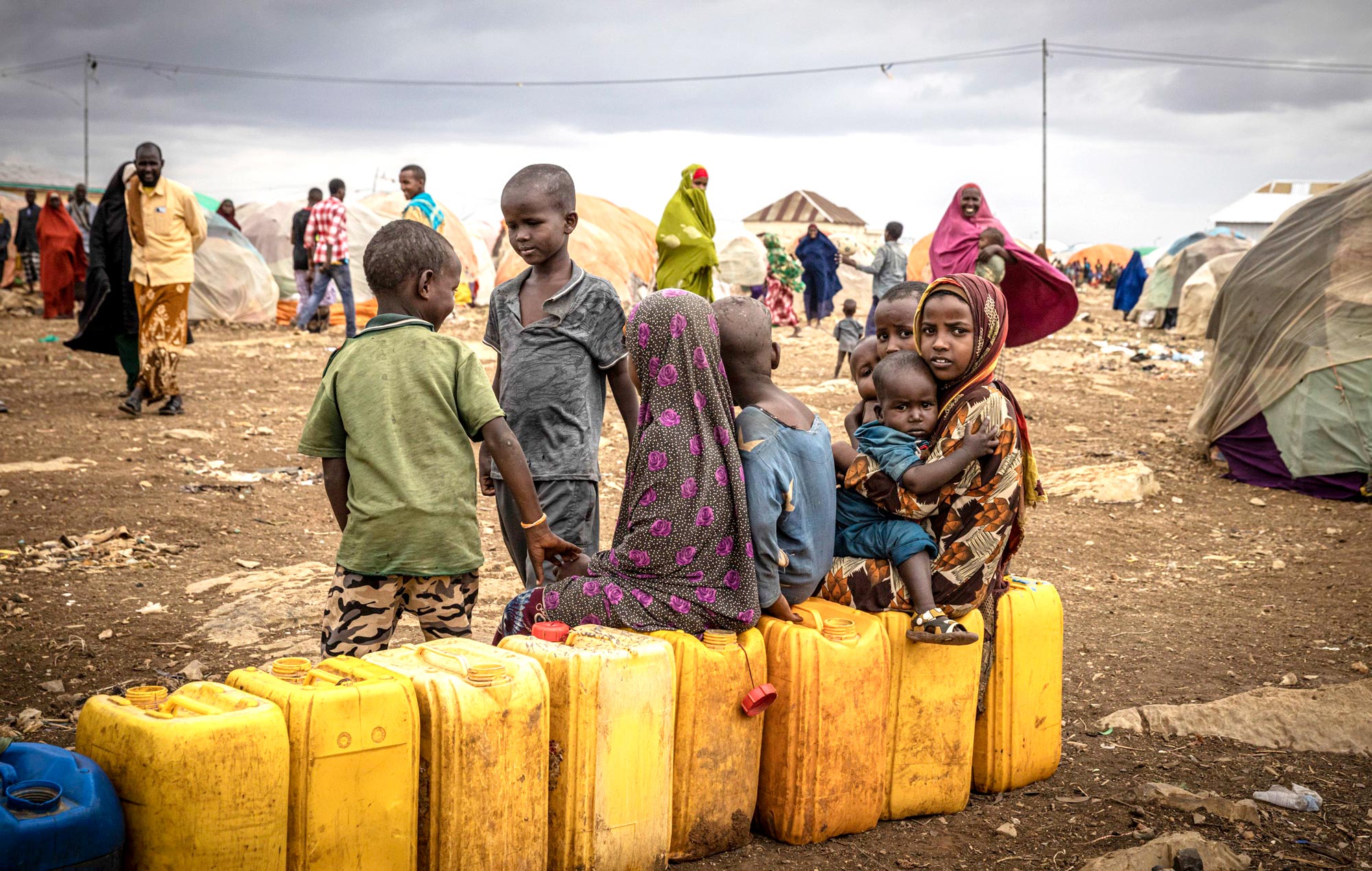
A healthy environment is one of the fundamental prerequisites for the enjoyment of human rights. Indigenous peoples, in particular, are highly vulnerable to climate change. For instance, communities living in the Arctic or mountainous regions depend heavily on glacial water sources. Many inhabitants of islands and coastal areas face the risk of losing their homes due to rising sea levels, a phenomenon driven not only by climate change but also by excessive groundwater extraction. Globally, one in every five children lacks sufficient water for personal use, largely due to increasing vulnerability to water scarcity, floods, and droughts (Rees, 2021: 7).
Climate change, biodiversity loss, and pollution threaten the planet and undermine people’s rights to life, health, food, and water. These deteriorating conditions have intensified the interaction between the human rights regime and the climate regime, as evidenced by the formation of large, integrative networks and issue-based coalitions involving human rights and climate activists. One such example is the coalition advocating for the inclusion of human rights within the 2015 Paris Agreement (Tignino & Mbengue, 2022: 4).
Another manifestation of this growing interdependence is the “greening” of the human rights regime through various policies and regulations. For example, Human Rights Council Resolution 48/13, adopted on 8 October 2021, recognises the right to a safe, clean, healthy, and sustainable environment as a human right essential for the enjoyment of human rights, both substantively (such as the right to life) and procedurally (such as access to justice).
Among the rights identified by the Council as being affected by climate change is the right to water and sanitation (RTWS). In this regard, rights that were not explicitly included in the International Bill of Human Rights (comprising the Universal Declaration of Human Rights, the International Covenant on Economic, Social and Cultural Rights, and the International Covenant on Civil and Political Rights, along with their Optional Protocols) were later interpreted in connection with the right to an adequate standard of living and the right to health. The recognition of these rights reflects a long history of debate and advocacy, supported since the 1970s by environmental groups. Progress in this area was made possible through cross-sectoral collaboration, as advocates repeatedly drew attention to the human rights impacts of water access during conferences and multilateral meetings (Reiners, 2021: 15).
Paths Forward: Realising the Right to Water amid Environmental Challenges
Today, ensuring access to remote and hard-to-reach groundwater resources within the framework of the right to water and sanitation (RTWS) requires targeted measures and enhanced cooperation in addressing environmental challenges. Such groundwater resources are particularly vulnerable to appropriation by states and corporations that set prices to finance water infrastructure (Gerlak, Baer & Lopes, 2018: 11). This vulnerability increases the risk of undermining standards in global policy initiatives or exacerbating existing inequalities (Langford & Winkler, 2013: 16).
Water scarcity as a global resource highlights the necessity of a universal human rights-based approach to remote groundwater resources. However, such a global approach has been challenged by anthropologists who emphasise the unique realities of Indigenous peoples living along rivers and water bodies. This debate illustrates that water, as both a human right and a natural resource, is not conceptually uniform across different socio-ecological contexts (Viaene, 2021: 19).
This raises a critical question: how can the international human rights regime ensure equitable access to remote groundwater resources for future generations while adequately accounting for the diverse relationships between water and the environment worldwide? Several pathways may be identified in response:
- Adopting a comprehensive and global approach: Policy proposals should reflect participatory processes involving experts from diverse backgrounds, vulnerable groups, and affected communities. When decision-making processes incorporate knowledge beyond purely legal expertise, the likelihood of achieving human rights standards increases. These processes must also operate at the global level. The work of Special Rapporteurs and their country visits represents a step in the right direction, as human rights bodies must engage directly with communities and sites of water-related and environmental conflicts. Such conflicts often involve practical challenges, including physical access to water, which may require travel to remote rural areas and technical expertise, such as that of water infrastructure engineers.
- Strengthening inter-institutional cooperation: A comprehensive approach to implementing RTWS in light of contemporary environmental challenges requires close cooperation between UN human rights bodies and other institutions, including the United Nations Environment Programme (UNEP), the United Nations Framework Convention on Climate Change (UNFCCC), and the World Health Organization (WHO). This cooperation should become the norm and be facilitated primarily through country offices rather than headquarters, as the participation of local actors and civil society is essential.
- Emphasising the indivisibility of human rights: Human rights and fundamental freedoms are indivisible and interdependent, meaning that no single right can be realised in isolation from others. Environmental challenges have underscored this principle, and groundwater resources are no exception. Human rights bodies should continue to integrate water-related aspects into their monitoring activities. In its 2018 interpretation of the right to life, the Human Rights Committee, for the first time, explicitly linked groundwater to the right to a healthy environment (Viaene, 2021: 17).
- Strengthening the mandates of independent experts: Independent human rights experts are tasked with reporting on human rights from thematic or country-specific perspectives. To fulfil their mandates and cooperate effectively on addressing the future of the groundwater crisis and related environmental issues, they require adequate resources. Previous thematic reports on human rights and the global water crisis have addressed issues such as water pollution, water scarcity, water-related disasters, and the dependence of human rights on a healthy biosphere. Currently, Special Rapporteurs on human rights and the environment, safe drinking water and sanitation, and the implications of hazardous substances and waste management for human rights are actively examining these issues (WHO, 2025: 42).
Human Rights Obligations Related to Clean, Safe, and Sufficient Water
The international recognition of the right to a healthy environment in 2021 was widely celebrated as a milestone in protecting people and nature. However, monitoring and enforcement of this right place additional pressure on the United Nations and carry the risk of weakening human rights as global norms. In the same year, human rights rapporteurs assessed global access to water. Their findings highlighted communities forced to drink contaminated or dangerously saline water, deprived of water by extractive industries, unable to grow food or fish, and whose cultures were threatened by ill-conceived dam and mining projects. Many were also displaced due to floods, droughts, or other water-related disasters. It was further reported that more than two billion people lack access to safely managed drinking water. One-third of all freshwater species are at risk of extinction, and three-quarters of all natural disasters over the past two decades have been water-related, including floods, extreme weather events, landslides, and droughts. Inequality was identified as a central feature of the water crisis: while some communities struggle to survive on a few litres of water per day, industries and populations in wealthy countries consume vast quantities (OHCHR, 2024: 2).
Water is the foundation of human life and all life on Earth. Aquatic ecosystems—including wetlands, rivers, lakes, springs, and groundwater aquifers—play a crucial role in maintaining global hydrological, carbon, and nutrient cycles. People depend on freshwater for their daily activities, and access to sufficient and safe water, along with healthy aquatic ecosystems, is essential for protecting health, achieving food security, and ending poverty. Every day, more than 700 children under the age of five die from water-related diseases. By 2040, nearly 600 million children will live in areas with extremely limited water resources, and over 500 million children worldwide already live in regions at very high risk of flooding (Rees, 2021: 13).
Although water is indispensable for life, contaminated water and water scarcity can be deadly. Access to safe and sufficient water could prevent nearly two million deaths annually. Realising the right to water requires ensuring adequate, safe water for personal and domestic use. Pollution and pathogens can render water unsafe for human consumption, and waterborne diseases affect hundreds of millions of people each year. Individuals experiencing water insecurity and natural disasters also suffer psychological distress. Consequently, safe and sufficient water and healthy aquatic ecosystems are essential components of the right to a healthy environment, as recognised by regional courts, national legislation, and domestic jurisprudence (Mueller & Gasteyer, 2021: 7).
The Inter-American Court of Human Rights has emphasised that “the right to a healthy environment, unlike other rights, protects the components of the environment itself, such as forests, rivers, and seas.” The African Commission on Human and Peoples’ Rights, in a case concerning water pollution by the oil industry, held that the right to a healthy environment “requires the state to take reasonable and other measures to prevent pollution and ecological degradation.” The European Court of Human Rights has likewise ruled that water pollution can violate multiple human rights, including the right to “a protected and healthy environment” (OHCHR, 2024: 1).
Overall, human rights law requires states to prioritise actions aimed at improving the lives and livelihoods of the most marginalised populations. The human rights and environment framework clarifies three categories of state obligations: procedural obligations, substantive obligations, and special obligations towards individuals in vulnerable situations. Accordingly, a comprehensive, human rights-based framework can guide crisis prevention and management programmes, including:
- Integrating water management concepts into educational curricula;
- Ensuring inclusive and equitable public participation in all planning and actions related to water allocation, protection, and sustainable use;
- Providing access to justice and effective remedies for all, holding states and businesses accountable for their obligations and responsibilities concerning safe and sufficient water and healthy freshwater ecosystems;
- Assessing the potential environmental, social, health, cultural, and human rights impacts of all programmes, policies, and proposals that may pollute, destroy, or diminish water ecosystems;
- Respecting the rights of Indigenous peoples and local communities in all water-related actions, including legal recognition of traditional knowledge, customary laws, collective ownership, and the right to free, prior, and informed consent.
In light of these considerations, states must refrain from actions that violate the right to a healthy environment or other water-related human rights. They are also obliged to protect individuals from violations by third parties, particularly businesses, and to adopt, implement, and enforce laws, policies, and programmes to realise these rights. Wealthier countries, moreover, bear a greater responsibility to contribute financially to ensuring access to safe and sufficient water in low-income countries.
Conclusion
The right to access safe water is recognised as a fundamental component of human rights and the right to a healthy environment. Nevertheless, the global water crisis—exacerbated by climate change, excessive consumption, and unequal distribution patterns—poses a serious threat to these rights. Vulnerable groups, including Indigenous peoples, women, and children, bear a disproportionate share of the adverse consequences of water scarcity and pollution. Addressing this challenge requires a comprehensive human rights-based approach centred on inclusive community participation, strengthened international cooperation, accountability of states and businesses, and the prioritisation of environmental justice. Only through such an approach can a safe, equitable, and sustainable future be secured for all inhabitants of the planet.
References
- Gerlak, A. K., Baer, M., & Lopes, P. (2018). Taking stock of the human right to water. International Journal of Water Governance. 6, 108–134. From: https://doi.org/10.7564/16-IJWG127
- Langford, M., & Winkler, I. (2013). Quantifying water and sanitation in development cooperation: power or perversity. Harvard School of Public Health. 23, 1-29. From: https://fr.ircwash.org/sites/default/files/ssrn-id2278656.pdf
- Mueller, J. T., & Gasteyer, S. (2021). The widespread and unjust drinking water and clean water crisis in the United States. Nature Communications. From: https://www.nature.com/articles/s41467-021-23898-z
- OHCHR., & UNEP., & UNDP. (2024). What is the Right to a Healthy Environment. United Nations Development Programme. From: https://www.undp.org/sites/g/files/zskgke326/files/2023-01/UNDP-UNEP-UNHCHR-What-is-the-Right-to-a-Healthy-Environment.pdf
- Rees, N. (2021). The Climate Crisis Is a Child Rights Crisis: Introducing the Children’s Climate Risk Index. UNICEF. From: https://eric.ed.gov/?id=ED614506
- Reiners, N. (2021). Despite or because of contestation? How water became a human right. Human Rights Quarterly. 43(2), 329-343. From: https://muse.jhu.edu/pub/1/article/791095/summary
- Tignino, M., & Mbengue, M. M. (2022). Climate change at the crossroads of human rights: The right to a healthy environment, the right to water and the right to development. RECIEL. From: https://doi.org/10.1111/reel.12440
- Viaene, L. (2021). Indigenous Water Ontologies, Hydro-Development and the Human/More-Than-Human Right to Water. A Call for Critical Engagement with Plurilegal Water Realities. Water. From: https://doi.org/10.3390/W13121660
- World Health Organization. (2025). Exposure to lead: a major public health concern. Preventing disease through healthy environments. World Health Organization. From: https://books.google.com/books?hl=en&lr=&id=5d90EQAAQBAJ&oi=fnd&pg=PR3&dq=the+right+to+healthy+environment&ots=SGvH1frU_z&sig=RmflD1Z-gi9yVOJFQ2Y2qDOfFL0