In an era in which multilayered crises increasingly threaten the foundations of global cooperation, diplomacy can no longer be confined to purely political exchanges. In this context, cultural and scientific diplomacy—understood as key instruments of soft power—possess unparalleled potential to build trust, resolve conflicts, and lay the groundwork for sustainable cooperation. The United Nations Educational, Scientific and Cultural Organization (UNESCO), with its foundational mission of “building the defenses of peace in the minds of women and men,” represents a central arena for the operationalization of this approach.
The philosophy underlying UNESCO’s establishment in the aftermath of two world wars is rooted in the belief that sustainable peace, beyond political and economic agreements, depends fundamentally on intellectual, ethical, and cultural solidarity among humanity. Within this framework, the present interview with Dr. Mostafa Dolatyar, a senior diplomat and Head of the Ministry of Foreign Affairs’ Office in Isfahan Province, provides a valuable opportunity to examine the relationship between cultural diplomacy, UNESCO’s institutional role, and contemporary geopolitical transformations.
What distinguishes this dialogue is the integration of a structural analysis of the international system with practical, field-based experience from the diplomatic apparatus. Drawing on more than three decades of diplomatic service and Iran’s representation in institutions such as the United Nations, the interview is organized around three principal axes: the structural limitations of global institutions, hydropolitics as a testing ground for cooperation, and the tension between development and the preservation of cultural heritage.
Interview Details
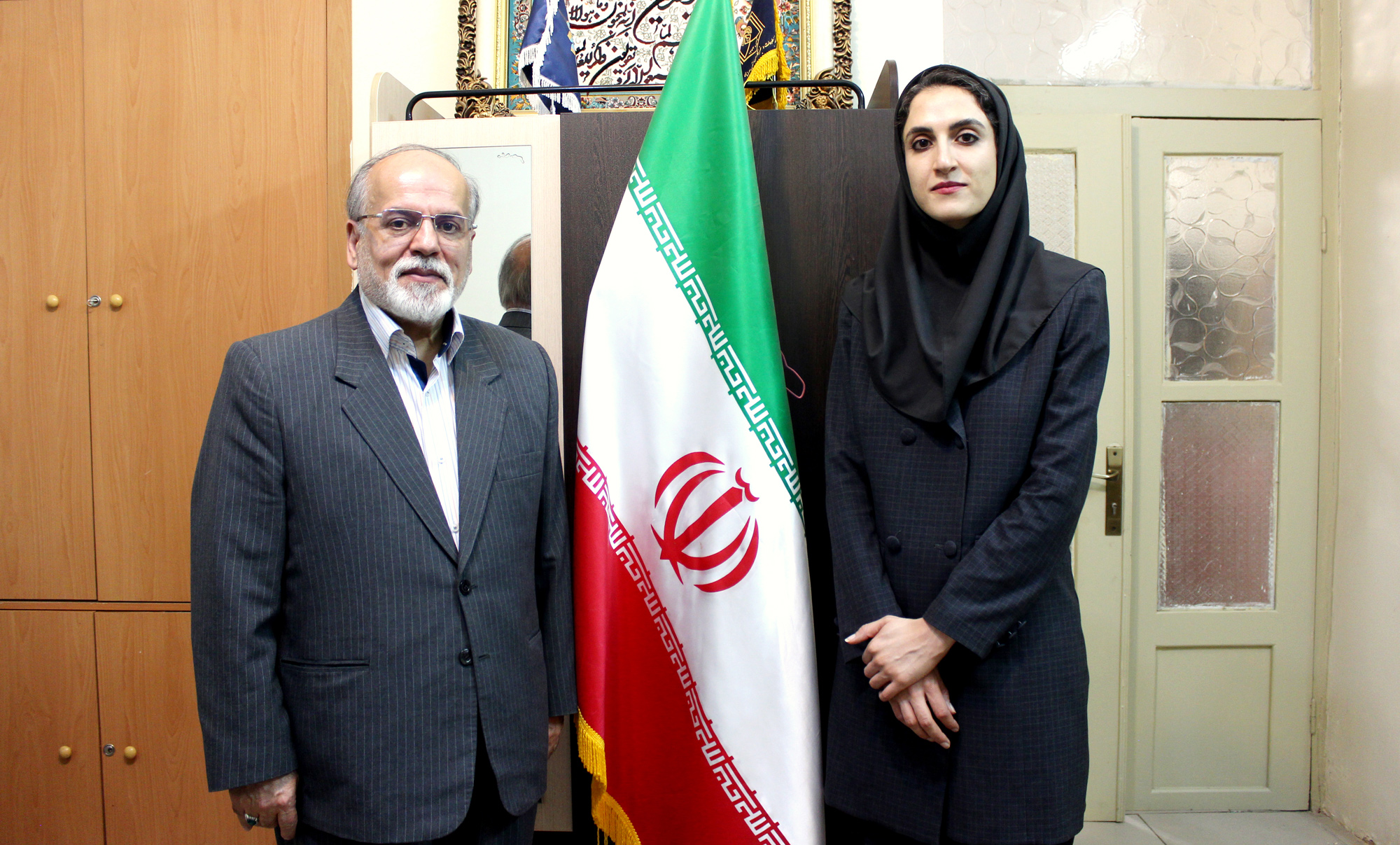
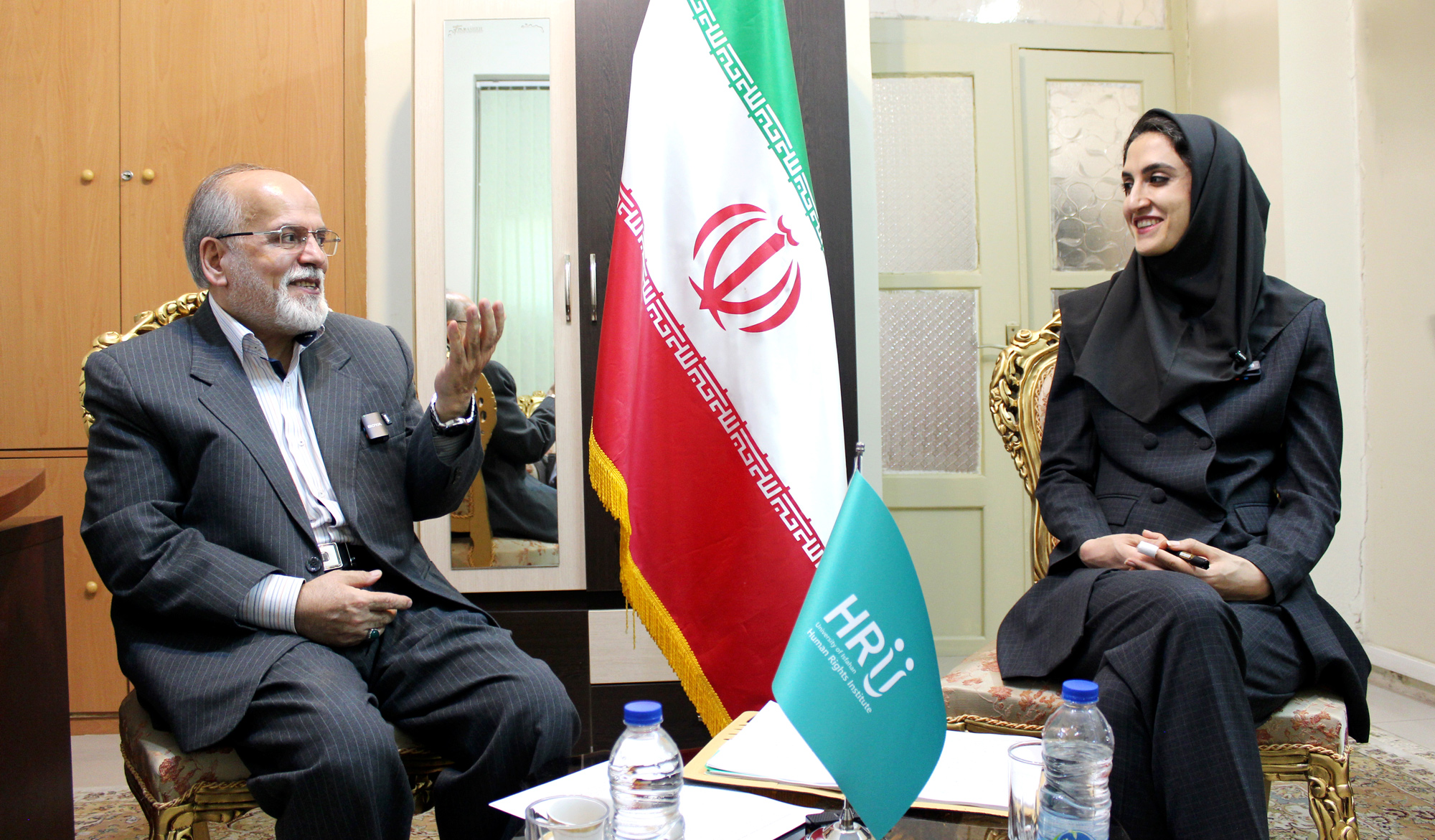
- Interviewer: Marzieh Tajmiri, PhD Candidate in International Relations, University of Isfahan
- Interviewee: Mostafa Dolatyar, Diplomat and Head of the Ministry of Foreign Affairs’ Office in Isfahan Province
- Date of Interview: Tuesday, November 18, 2025
- Main Topics:
- Inefficient institutional architecture of the international system
- Cultural diplomacy in relation to the management of shared resources and corridors
- Intangible heritage, development, and emerging cultural threats
Note: In order to preserve academic independence and diversity of perspectives, it should be emphasized that the opinions expressed in this interview reflect solely the personal views of the interviewee and do not necessarily imply endorsement or adoption of a position by the Human Rights Institute of the University of Isfahan.
Interview Report
- Inefficient Institutional Architecture of the International System
At the outset of the discussion, reference was made to the fact that UNESCO, like other United Nations–affiliated institutions, is a product of the post–Second World War power order. This order was constructed primarily on the values of the victorious states and with limited participation from the broader international community. Consequently, decision-making structures within these organizations have been designed in proportion to the political and economic power of a small number of actors.
For example, debates on reforming the UN Security Council have persisted for more than three decades without tangible outcomes, as veto-wielding states have blocked meaningful change. This monopolization of power has extended to subsidiary bodies such as UNESCO, where more than 70 percent of technical positions are reportedly held by representatives of twenty developed countries, while experts from developing countries account for only about 10 percent of participation across approximately four hundred recent cases.
According to Dr. Dolatyar, this structural imbalance prevents genuine geographic and cultural diversity from being reflected in UNESCO’s expert bodies and decision-making processes. Developed countries, which play a dominant role in financing the organization, effectively exercise disproportionate influence over the appointment of managers, experts, and programmatic priorities. Even when UNESCO attempts to revise its committees or conventions, the underlying reality of power concentration remains largely unchanged.
He noted that similar challenges are evident within the UN Security Council, where the veto power of five states has stalled reform efforts for decades. Thus, power concentration constitutes a structural feature of the entire UN system. Developed countries consistently seek to universalize their own values as global standards and to use these standards to shape an international order aligned with their interests. Institutions such as UNESCO inevitably reflect this logic.
- Structural Weaknesses of Developing Countries in Influencing UNESCO
A significant portion of Dr. Dolatyar’s analysis focused on the limited capacity of developing countries to capitalize on UNESCO’s potential. While structural inequality plays an important role, he emphasized that insufficient effort, lack of human resource development, and weak theoretical content production are equally decisive factors contributing to marginalization.
He highlighted two principal shortcomings. First, there is a lack of geographic and cultural diversity in foundational documents. Many UNESCO and UN instruments are drafted based on Western cultural and legal values, a point long criticized by members of the Non-Aligned Movement for insufficient recognition of cultural diversity. However, criticism alone is insufficient; revising or supplementing such documents requires concrete proposals, alternative theorization, and sustained intellectual production. He further identified the failure of developing countries to adequately theorize their own cultural values as a major weakness, underscoring the responsibility of intellectual elites to articulate these values in a defensible international language. Initiatives such as Iran’s Secretariat for Human Rights and Cultural Diversity, aimed at mobilizing Non-Aligned Movement capacities, exemplify this approach.
Moreover, many developing countries lack the technical capacity to participate effectively in expert processes. This deficit is manifested in limited proficiency in English, unfamiliarity with specialized concepts, insufficient intercultural communication skills, and a lack of experience in international organizational work.
The second shortcoming relates to budgetary constraints. Financial limitations in paying membership contributions may result in the suspension of voting rights, effectively excluding some states from decision-making structures. In contrast, developed countries leverage their financial contributions to exert influence in two principal ways: by employing their nationals within secretariats and by shaping the selection of senior managers. Dr. Dolatyar observed that English dominates as the primary working language, and insufficient language proficiency—combined with limited institutional capacity—places developing countries in a position of under-representation. In such contexts, a state, group, or community is represented at a level below its actual capacity, population, competence, or equitable share.
Iran, he argued, exemplifies this situation: despite its substantial capacities, it has derived limited benefits from UNESCO, partly due to the insufficient presence of Iranian nationals in international organizational secretariats—a consequence of weak structural planning and inadequate specialist training.
- The Importance of Human Capital and the Individual Role of Representatives
One of the most significant aspects of the discussion concerned the role of individual representatives and personal attributes within international institutions. Dr. Dolatyar emphasized that analytical ability, specialized knowledge, initiative, communication skills, and personal charisma can directly influence a country’s standing. Personal qualities can, in some cases, counterbalance influence derived from financial contributions or political leverage.
Developing countries, he argued, must invest in training capable individuals to enter organizational secretariats—an endeavor that is difficult but not impossible. He cited periods during which Iranian representatives at UNESCO exercised notable influence through personal capacity, contrasted with other periods in which weak representation led to diminished national impact.
From his perspective, cultivating such human capital cannot rely solely on domestic structures. Individuals must gain hands-on experience in international environments, participate in negotiations, understand institutional mechanisms, and confront real-world challenges—becoming active shapers rather than passive recipients of influence. This underscores the fact that cultural diplomacy is not merely a structural process but is fundamentally dependent on the quality of human resources. Competent human capital can resist cultural domination and play an effective role even within asymmetrical systems.
- Cultural Diplomacy in Relation to the Management of Shared Resources and Corridors
A substantial portion of the interview was devoted to water and the challenges of managing shared resources. Dr. Dolatyar characterized water management as a transboundary challenge, noting that approximately 60 percent of the Middle East’s water basins are transboundary, yet only 40 percent are governed by formal agreements. UNESCO, through its International Hydrological Programme since 1975 and UN-Water initiatives in West Asia, has sought to promote dialogue, joint data production, and risk forecasting. However, these efforts often remain confined to discourse due to geopolitical considerations, as states perceive water primarily as an instrument of power.
Upstream countries such as Turkey (through dam construction on the Tigris and Euphrates), Ethiopia (on the Nile), and Afghanistan (on the Helmand River) have pursued water management strategies aligned with their own interests, even at the expense of downstream states such as Syria, Iraq, Iran, Egypt, and Sudan. In practice, this leaves downstream countries with limited bargaining power, rendering dialogue the only realistic—yet highly challenging—means of conflict resolution.
Dr. Dolatyar further analyzed how the involvement of external actors, including foreign engineers, has sometimes exacerbated rather than mitigated water disputes. For example, in Afghanistan’s Kajaki and Kamal Khan dam projects, the presence of American engineers complicated outcomes, diverting excess water into sinkholes rather than toward Iran. As long as water is conceptualized within a power-based framework, he concluded, UNESCO’s scientific instruments are likely to remain at the level of discourse rather than implementation.
- The Shared Ecosystem of the Persian Gulf
Regarding shared ecosystems such as the Persian Gulf, which faces oil pollution and rising temperatures, Dr. Dolatyar observed that cooperation remains limited due to the dominance of political interests. Despite the fact that southern Gulf states are highly dependent on desalination plants and disproportionately affected by pollution, effective cooperation has failed to materialize.
He cited Iran’s proposal in Geneva, supported by Switzerland, for environmental cooperation with Arab states, recalling a statement by an Arab official: “If the Persian Gulf’s environment improves, Iran will benefit more than we will.” This mentality—where improvement perceived as benefiting another actor is actively resisted—illustrates the depth of competitive logic in the region and the predominance of power politics over cultural diplomacy. Such attitudes, he argued, explain why existing mechanisms such as the Kuwait-based ROPME Convention remain largely ineffective in practice.
Dr. Dolatyar’s analysis of Iran’s water crisis adopted a multicausal perspective. He stressed that the crisis cannot be attributed solely to mismanagement; rather, it reflects the cumulative impact of historical, climatic, and demographic trends. Tripling population growth, lifestyle changes, industrial expansion, declining precipitation, and recurring drought cycles have all intensified pressure on water resources. He recalled severe droughts in previous decades—such as those of the 1960s—which triggered large-scale migration, particularly from Sistan and Baluchestan.
As a result, groundwater levels have declined, land subsidence has intensified, and many qanats have lost their economic viability, serving primarily touristic functions. These challenges are not unique to Iran; similar phenomena are observed in Turkey, India, and China. The solution, he argued, lies in informed resource management, forward-looking planning, and learning from global experiences without repeating others’ mistakes, while acknowledging that part of the crisis is rooted in broader regional and global dynamics.
- Historic Roads and Corridors
Historically, transportation routes in Iran not only facilitated cultural exchange but also underpinned political power. Dr. Dolatyar described historic roads such as the Silk Road as conduits of both culture and authority. Contemporary corridor projects similarly possess a geopolitical character, as roads have long symbolized power with profound cultural impact—illustrated, for instance, by the spread of Islam to Indonesia.
UNESCO’s “Silk Roads Dialogue” project seeks to elevate such interactions to the scientific level, yet often remains limited to symbolic initiatives, festivals, and tourism. In this context, Iran’s geographic position renders it the most natural route connecting East–West and North–South. However, political disputes, investment shortages, external pressures (including U.S. influence in Iraq and India), and incomplete infrastructure—such as the Shalamcheh–Basra, Astara–Azerbaijan, and Chabahar–Central Asia routes—have hindered realization of this potential.
Dr. Dolatyar argued that if economic rationality were to prevail in regional decision-making, Iran’s corridors—being the safest and most cost-effective—would assume a decisive role, particularly given the structural shortcomings of rival projects such as Iraq–Turkey routes.
- Intangible Heritage, Development, and Emerging Cultural Threats
The discussion then turned to the inherent tension between development processes and the preservation of cultural identity. UNESCO’s warning that up to half of the world’s intangible cultural heritage may disappear by 2050, alongside the publication of lists of endangered heritage, has transformed this issue into a global crisis.
Threats to intangible heritage—including languages, rituals, indigenous knowledge, and traditional arts—are no longer limited to war or neglect. Homogenizing globalization, rapid urban development, and the proliferation of digital technologies have placed unique cultural fabrics under intense pressure. Dr. Dolatyar emphasized that the erosion of languages, traditions, and rituals affects both developing and developed countries alike, citing the decline of indigenous languages in the United Kingdom as evidence that no society is immune.
He acknowledged that while the tension between development and tradition is real, it is manageable. Opposition to projects such as the proposed Qeshm bridge, aimed at preventing the destruction of local culture, illustrates that informed resistance can mitigate harm. UNESCO, recognizing this challenge, has moved beyond mere inscription toward integrated mechanisms. Programs such as the Creative Cities Network and the Man and the Biosphere (MAB) Programme reflect a contemporary approach that integrates culture and creativity into sustainable development planning—transforming culture from a marginal, protective concern into a socio-economic driver.
However, Dr. Dolatyar stressed that primary responsibility rests with local and national authorities. Documenting dialects, designating creative cities, preserving traditions, and supporting intangible arts are among the measures necessary to prevent irreversible loss.
Iran’s experience provides a compelling case study of this tension and its management. On the one hand, the global inscription of qanats and the designation of creative cities such as Kashan offer exceptional opportunities to position heritage at the core of scientific diplomacy and sustainable tourism. On the other hand, challenges such as land subsidence resulting from excessive water extraction demonstrate how unbalanced development can undermine both tangible and intangible heritage, including traditional agriculture and dependent communities.
The solution, Dr. Dolatyar argued, is not to halt development but to manage it intelligently—through foresight, learning from global experiences without replicating their mistakes, and ensuring the meaningful participation of local communities in decision-making processes.
He further observed that many cultural initiatives remain confined to symbolic or touristic dimensions. Contemporary cultural diplomacy seeks to transcend this limitation. According to UNESCO’s evolving approach, cultural diplomacy is shifting from a self-centered, one-way model of “standing out” toward an interactive, inclusive model of “reaching out.” In this paradigm, the objective is not to promote cultural superiority but to create shared spaces for dialogue, mutual learning, and problem-solving. Network-based diplomacy—grounded in digital technologies and the participation of cities, universities, and civil society institutions—constitutes the primary instrument of this transformation.
Policy Recommendations
- Strengthening Human Capital for Cultural Diplomacy
The effectiveness of cultural diplomacy and meaningful engagement with institutions such as UNESCO fundamentally depends on the quality of human capital. Governments must pursue structured planning to train specialists in languages, intercultural studies, law, and international policymaking, while facilitating their acquisition of practical experience in global forums. The presence of capable experts in secretariats and technical committees can partially offset structural inequalities and enhance states’ roles in decision-making processes.
- Transition from Critique to Theoretical and Alternative Content Production
To increase their influence within UNESCO and the UN system, developing countries must move beyond mere criticism of documents and structures toward the production of alternative theoretical frameworks. Articulating indigenous cultural, social, and ethical values in an internationally defensible language enables active participation in the revision of conventions and normative instruments. Universities, research centers, and scientific networks play a central role in this process.
- Linking Cultural Diplomacy with Resource Management and Transboundary Issues
Cultural diplomacy transcends symbolism when connected to concrete, shared challenges such as water, environmental protection, and regional ecosystems. Leveraging UNESCO’s scientific capacities for joint data production, foresight, and regional dialogue can moderate geopolitical competition. Cooperation in environmental and hydropolitical domains provides fertile ground for gradual trust-building and the transformation of knowledge into collective action.
- Integrating Intangible Heritage into Sustainable Development Models
Safeguarding intangible heritage should not be limited to symbolic inscription or tourism-oriented activities; it must become an integral component of sustainable development strategies. Intelligent policymaking can transform culture, creativity, and indigenous knowledge into socio-economic drivers while preventing the erosion of local identities. Active participation of local communities in decision-making and informed use of global experiences are essential to achieving balance between development and cultural preservation.
Conclusion
Overall, this interview demonstrates that cultural and scientific diplomacy—particularly within the framework of UNESCO—constitutes a strategic capacity for reducing tensions and fostering sustainable cooperation in the international system. In practice, however, this capacity is weakened by structural constraints, power asymmetries, and geopolitical logic. An inequitable institutional architecture, concentration of power in developed countries, and limited participation by developing states hinder genuine reflection of global cultural and intellectual diversity.
At the same time, experience indicates that human capital quality, representative agency, and theoretical production can partially compensate for structural inequalities. In areas such as hydropolitics, the Persian Gulf environment, and historical corridors, power logic continues to prevail over cooperation, leaving UNESCO’s scientific instruments largely confined to discourse. Moreover, the tension between development and safeguarding intangible heritage has evolved into a global crisis requiring intelligent management and local community participation.
Ultimately, moving from symbolic cultural diplomacy toward a network-based, interactive, and knowledge-driven model is a prerequisite for enhancing UNESCO’s effectiveness and the agency of national actors in the contemporary world.