On the occasion of UNESCO’s 80th anniversary, and against the backdrop of an international environment increasingly shaped by political and cultural tensions arising from the expansion of new technologies, digital networks, and profound geopolitical transformations, the significance of cultural rights and the institutions entrusted with their protection and promotion has become more evident than ever. As the scientific, cultural, and educational arm of the United Nations, UNESCO has consistently stood at the forefront of intellectual exchange, the development of international instruments, and the creation of mechanisms aimed at safeguarding the shared heritage of humanity.
Today, cultural rights—including freedom of expression, equal access to cultural heritage, and respect for cultural diversity—face challenges that place them at the intersection of founding ideals and the politicized realities of the contemporary world. Their full realization therefore depends not only on legal and ethical frameworks, but also on the intelligent management of political tensions and constructive interaction among states.
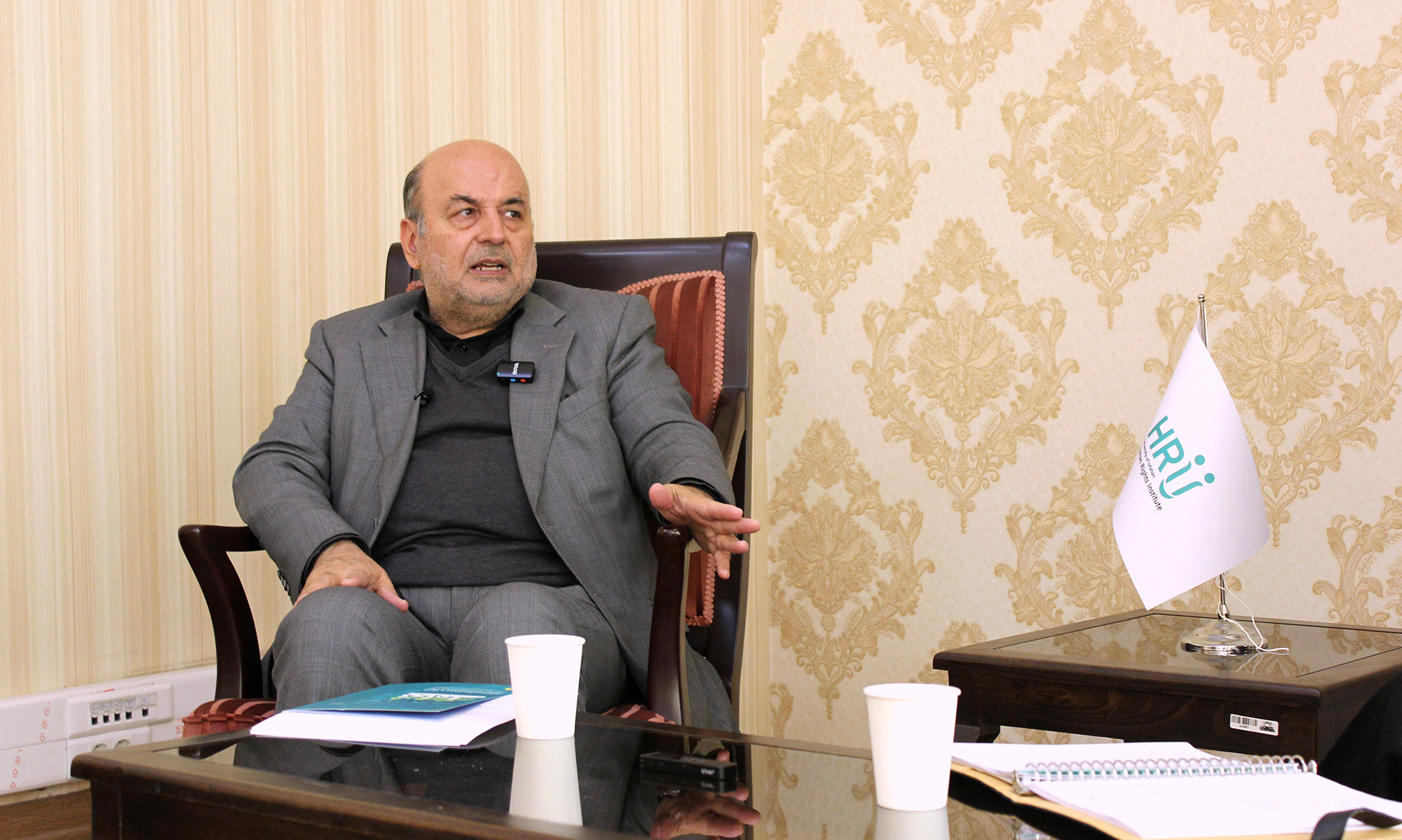
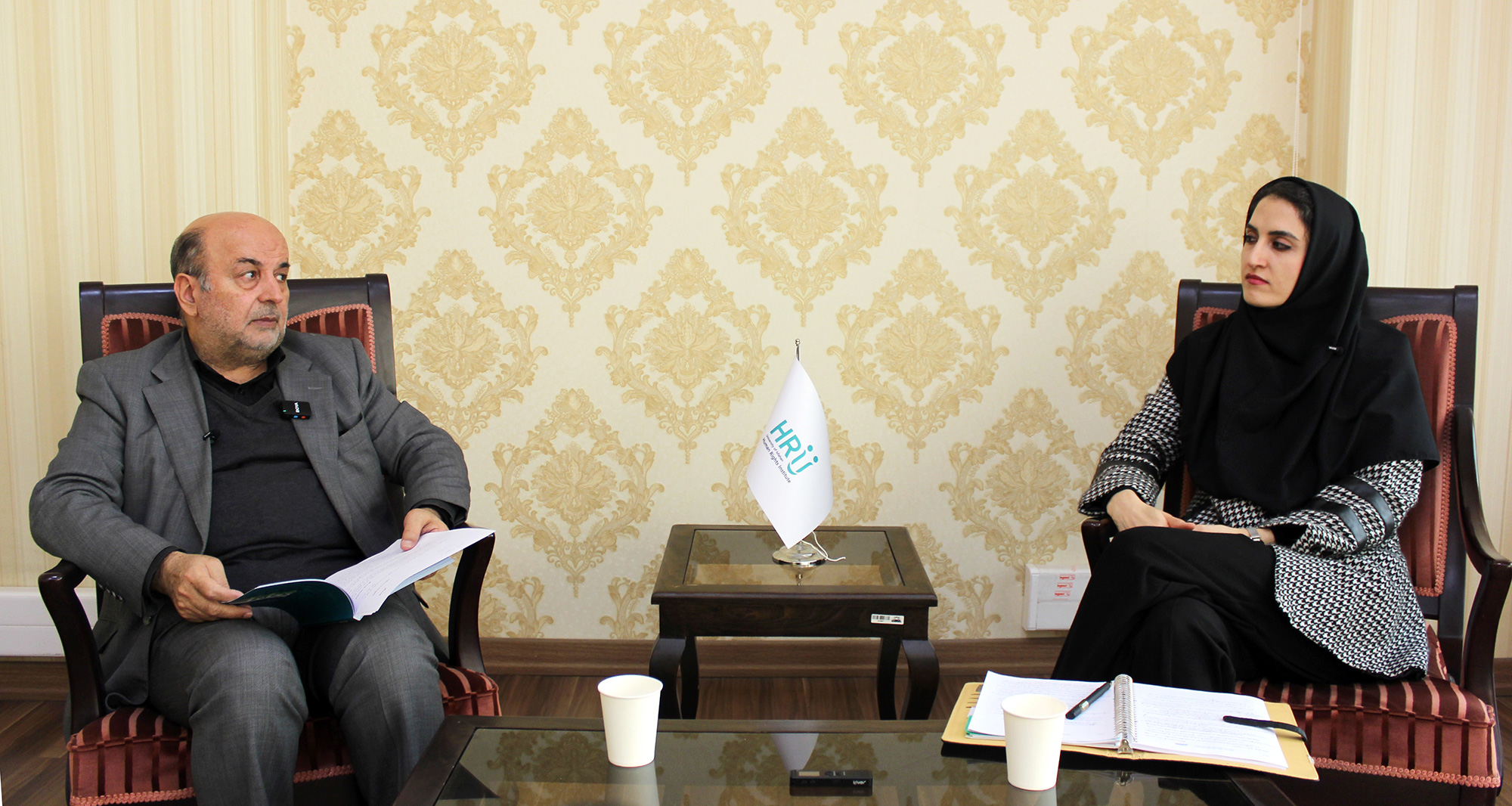
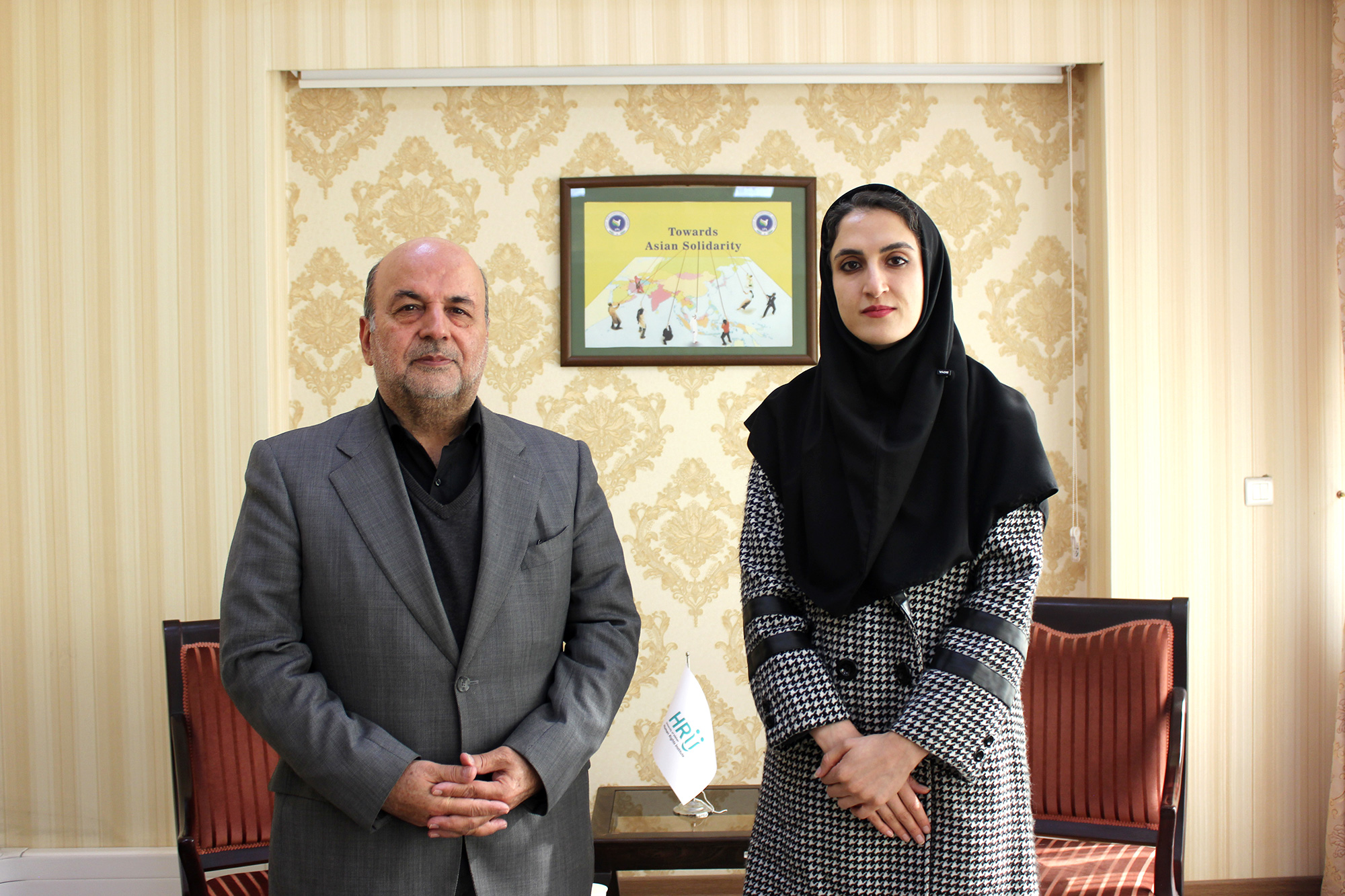
Within this context, examining Iran’s relationship with UNESCO—as one of the world’s oldest civilizational and cultural entities—on the one hand, and analyzing the position of cultural rights within Iran’s international policies on the other, acquires particular importance. The present interview, conducted with Dr. Mohammad Reza Majidi, Professor at the University of Tehran, former Ambassador and Permanent Delegate of Iran to UNESCO, and President of the Iranian Association for Cooperation with UNESCO, seeks to provide a clear and analytical assessment of the challenges, capacities, and necessities involved in redefining Iran’s cultural policymaking at the global level.
Accordingly, this dialogue—focusing on the linkage between cultural rights and UNESCO’s mechanisms, a critical assessment of the organization’s global performance through analysis of its key conventions, and an examination of regional cultural rivalries—offers an effective framework for understanding cultural diplomacy as a strategic instrument of contemporary governance.
Interview Details
- Interviewer: Marzieh Tajmiri, PhD Candidate in International Relations, University of Isfahan
- Interviewee: Dr. Mohammad Reza Majidi, Faculty Member, Faculty of Law and Political Science, University of Tehran; Former Ambassador and Permanent Delegate of Iran to UNESCO
- Date of Interview: Saturday, November 29, 2025
- Main Topics:
- UNESCO and the historical origins of its cultural mission
- Cultural rights and their significance and position within UNESCO
- Iran, UNESCO, and the necessity of redefining cultural policymaking
Note: In order to preserve academic independence and diversity of perspectives, it should be emphasized that the opinions expressed in this interview reflect solely the personal views of the interviewee and do not necessarily imply endorsement or adoption of a position by the Human Rights Institute of the University of Isfahan.
Interview Report
- UNESCO and the Historical Origins of Its Cultural Mission
Dr. Majidi began by explaining that UNESCO emerged from the bitter experience of two world wars, during which the international community realized that political and security arrangements alone were insufficient to guarantee lasting peace. Accordingly, the organization was founded on the belief that “since wars begin in the minds of human beings, it is in the minds of human beings that the defenses of peace must be constructed.”
Initial efforts date back to 1922 with the establishment of the International Committee on Intellectual Cooperation (ICIC) under the League of Nations, aimed at strengthening dialogue among scientists, artists, and intellectuals. However, due to the structural inefficiencies of the League of Nations and its failure to prevent the outbreak of the Second World War, this initiative remained incomplete. During the war—and even before its formal conclusion—the Allied powers once again emphasized the need for a cultural-educational institution capable of fostering sustainable peace through the reconstruction of educational institutions, the restoration of cultural destruction, and the creation of platforms for convergence among nations.
Consequently, at the London Conference in 1945, an organization structured around three pillars—education, culture, and science—was proposed. The atomic bombings of Hiroshima and Nagasaki further underscored the necessity of incorporating science and scientific ethics into this framework, ultimately leading to the establishment of UNESCO as the United Nations Educational, Scientific and Cultural Organization.
According to Dr. Majidi, UNESCO was originally intended to function as a “laboratory of ideas”—a space where thinkers and experts could engage in dialogue on humanity’s fundamental challenges beyond the immediate pressures of state politics. Over time, however, the organization’s structure became increasingly shaped by diplomatic and political dynamics, gradually distancing it from its original elite-driven intellectual character. Today, many national representatives enter UNESCO through political appointments rather than scholarly merit, thereby constraining the organization’s intellectual capacity.
From his perspective, one of UNESCO’s most fundamental challenges—and indeed a defining feature of the post–World War II international order—is its intergovernmental nature. This characteristic exposes the organization to conflicts of national interest, geopolitical rivalries, and pressure from major powers. Dr. Majidi referred to the repeated withdrawals of the United States from UNESCO—during the 1980s in response to the New World Information and Communication Order (NWICO), in 2011 alongside Israel following the admission of Palestine as a full member, and again during the Trump administration—as well as the suspension of financial contributions, attempts to influence expert bodies such as the International Council on Monuments and Sites (ICOMOS) and the International Union for Conservation of Nature (IUCN), and political pressure on the inscription processes of both tangible and intangible heritage. These examples illustrate how U.S. unilateralism and hegemonic logic have pushed UNESCO into a multifaceted crisis—financial, administrative, and ultimately identity-based.
The apex of this challenge, he argued, occurred in 2011 with Palestine’s full membership in UNESCO, prompting the withdrawal of the United States, Israel, and subsequently several small island states. This episode demonstrates that even cultural decisions are inseparable from political conflict. Nonetheless, Dr. Majidi emphasized that UNESCO still possesses unparalleled capacity to manage cultural tensions and facilitate constructive dialogue among nations, provided that states and experts actively assume responsibility for preserving its mission.
- Cultural Rights: Importance and Position within UNESCO
Cultural rights constitute an essential component of the international human rights framework and are explicitly recognized in Article 27 of the Universal Declaration of Human Rights and Article 15 of the International Covenant on Economic, Social and Cultural Rights. These rights encompass access to education, participation in cultural life, enjoyment of shared heritage, freedom of cultural expression, and respect for cultural diversity.
Despite their foundational importance, cultural rights have often remained overshadowed by civil-political or economic-social rights and have rarely been treated as an independent domain of policymaking. In this regard, UNESCO has played the most significant role in the conceptual and legal development of cultural rights, from the 1972 World Heritage Convention to the 2003 Convention for the Safeguarding of the Intangible Cultural Heritage, the 2005 Convention on the Protection and Promotion of the Diversity of Cultural Expressions, the 2001 Convention on the Protection of the Underwater Cultural Heritage, and more recent normative instruments such as the Recommendation on the Ethics of Artificial Intelligence.
Dr. Majidi emphasized that many of these instruments originated in academic, scientific, and cultural dialogues before evolving into international conventions. However, when states fail to participate actively in the drafting process, they later find themselves compelled to accede to instruments shaped by others’ interests and perspectives—becoming rule-takers rather than rule-makers.
He further highlighted the concept of scientific rights, particularly the “right of peoples to access knowledge and technology.” From this perspective, scientific and technological sanctions that impede national development may constitute violations of both cultural and scientific rights. This analytical lens allows issues such as Iran’s nuclear dispute to be assessed within a scientific, cultural, and legal framework, illustrating how restrictions on scientific knowledge ultimately produce a form of “scientific apartheid.” UNESCO, he argued, could serve as a platform for advancing such arguments beyond purely political discourse.
- The 2005 Convention on Cultural Diversity: Capacities and Limitations
The 2005 Convention represents one of UNESCO’s most important instruments for preventing cultural hegemony and supporting cultural diversity. It is founded on the principle that cultural goods and services are not mere commodities, but carriers of meaning, identity, lifestyles, and collective memory. The convention recognizes states’ sovereign right to formulate and support cultural policies.
However, its implementation faces a fundamental paradox: how to balance states’ cultural sovereignty with commitments to freedom of expression and the free flow of ideas. The misuse of this principle by some governments to restrict domestic cultural freedoms, alongside the growing power of transnational technology and media corporations operating beyond the convention’s regulatory reach, poses serious challenges.
Notably, the convention emerged in response to cultural globalization—particularly the unilateral dominance of American culture. Yet many states, including Iran, have not acceded to it, despite its potential to provide legal protection for national cultural industries in global markets. This reluctance stems from sovereignty concerns, as cultural diversity may conflict with domestic policies on media, language, religion, or art. At the global level, implementation is further challenged by European cultural quotas, the dominance of American digital platforms and Hollywood, and media monopolization. Dr. Majidi stressed that UNESCO must function as a forum for pluralistic debate rather than a platform for imposing a single cultural model. Genuine cultural diversity requires recognition of multiple lifestyles, historical narratives, and cultural preferences.
- The 1972 World Heritage Convention and Its Challenges
The 1972 Convention is among UNESCO’s most successful and widely recognized instruments. Based on the concept of Outstanding Universal Value and expert evaluations by bodies such as ICOMOS, it has established the World Heritage List—a designation that carries not only cultural and identity significance but also direct implications for tourism, economic development, and cultural diplomacy.
Dr. Majidi noted that UNESCO’s expert mechanisms, including ICOMOS for cultural heritage and IUCN for natural heritage, play a critical role in ensuring decision quality, yet they are not immune to politicization. Drawing on Iran’s experience, he cited examples such as the modification of the Jahan-Nama building in Isfahan to preserve the visual integrity of Naqsh-e Jahan Square, as well as the complex inscription processes for natural sites like the Lut Desert and the Hyrcanian Forests. He observed that some dossiers with strong expert backing have been delayed for political reasons, while weaker dossiers have been inscribed through diplomatic support. Such practices undermine the convention’s scientific credibility and transform it into a tool for competitive identity construction and narrative disputes among states.
- The 2003 Convention on Intangible Cultural Heritage and the Potential of Cultural Diplomacy
From Dr. Majidi’s perspective, the 2003 Convention provides the most effective platform for regional and cultural convergence, as it focuses on rituals, oral traditions, performing arts, and traditional skills—representing a revolutionary recognition of living culture. The underlying philosophy of this convention is to “connect” peoples through the recognition of shared heritage.
The multinational inscription of Nowruz, initiated in 2009 and now involving more than thirteen countries, stands as a successful example. Similar approaches apply to Chovgan, music, vocal traditions, and numerous other cultural practices. Iran, he argued, should pursue an active, negotiation-based, and trust-building approach to expand joint inscriptions.
Nevertheless, political identity-building by newly independent states, regional rivalries, attempts to monopolize shared cultural elements, and weak regional coordination remain significant obstacles to fully realizing the convention’s potential.
- Iran, UNESCO, and the Necessity of Redefining Cultural Policymaking
Dr. Majidi emphasized unequivocally that, contrary to common perceptions, Iran does not occupy a marginal position within UNESCO. On the contrary, as a country with profound civilizational depth, Iran enjoys considerable symbolic capital and credibility within UNESCO circles. Having “something meaningful to say,” rooted in a multi-millennial cultural legacy, grants Iranian diplomats a distinctive standing.
He described UNESCO as both a “tribune” for presenting Iran’s culture and a “cultural observatory” for understanding global trends. Referring to the film 300 as an instrument of Western soft power promoting Iranophobia, he underscored UNESCO’s monitoring function. Had systematic cultural foresight and analysis been undertaken, Iran could have anticipated such narratives a decade earlier and responded proactively rather than reactively through innovative initiatives.
Despite these advantages, Dr. Majidi assessed the gap between Iran’s current and desired positions as substantial. The core problem lies not in a lack of capacity, but in the absence of coherent international cultural policymaking, proactive cultural diplomacy, and specialized human capital. Deficiencies in “convention literacy” (for example, regarding the Underwater Cultural Heritage Convention) and absence from normative drafting processes (such as the Ethics of Artificial Intelligence) have relegated Iran to a reactive role.
He argued that Iran’s cultural system requires a three-layered framework encompassing national and international cultural policymaking, proactive cultural diplomacy, and network-building among universities, government institutions, civil society organizations, and expert communities. He further emphasized that historic cities such as Isfahan should host UNESCO Chairs and affiliated specialized centers, given their cultural and civilizational capacities.
Policy Recommendations
- Institutional Transition from State-Centered Diplomacy to Interactive Cultural Diplomacy
Iran’s cultural policymaking should deliberately move beyond a purely state-centric model toward interactive, multi-level cultural diplomacy. This shift requires the activation of universities, municipalities, academic associations, and even cultural and tourism-related private sectors in international engagement, thereby linking UNESCO’s capacities to societal and grassroots levels.
- Institutionalizing “Complementary Diplomacy” through UNESCO Chairs and Regional Networking
Establishing and strengthening UNESCO Chairs at strategically positioned universities—particularly in historic cities such as Isfahan—should be pursued as a central pillar of complementary diplomacy. These chairs can serve as hubs for knowledge production, scholarly dialogue, and regional networking around shared cultural heritage.
- Reconfiguring Higher Education with a Focus on Cultural Rights and UNESCO Policymaking
Universities should move beyond low-impact disciplines and develop specialized programs in cultural rights, UNESCO studies, intangible heritage, cultural policymaking, and cultural diplomacy. Training specialized human resources will reduce Iran’s structural deficits in convention literacy and enable proactive participation in international norm-setting.
- Public Discourse and Advocacy on Cultural Rights
Sustainable realization of cultural rights requires social support. Cultural policymaking must therefore prioritize public discourse and awareness-building around cultural rights. Media, universities, civil society institutions, and intellectual elites should play active roles in transforming cultural rights into a public demand, positioning Iran as a natural leader in regional and global cultural discourse.
Conclusion
This interview with Dr. Mohammad Reza Majidi demonstrates that UNESCO remains one of the most critical international institutions for advancing peace, dialogue, and cultural convergence. However, fulfilling this mission requires a return to the organization’s founding philosophy, reinforcement of the role of intellectuals, and mitigation of structural politicization.
Cultural rights—enshrined in foundational human rights instruments—can only be effectively realized when states genuinely engage with UNESCO’s capacities and participate actively in the drafting, implementation, and monitoring of international instruments. For Iran, with its ancient civilization, rich cultural diversity, and unparalleled heritage, this represents both an opportunity and a risk. With effective policymaking, cultural assets can become strategic tools for enhancing soft power, improving international image, promoting sustainable tourism, and strengthening regional convergence. Conversely, continued passivity allows others to appropriate shared cultural capacities or entrench distorted narratives.
Ultimately, the future of Iran–UNESCO relations depends less on the organization itself and more on Iran’s strategic choices. A fundamental shift from reactive behavior toward proactive, knowledge-based, and network-oriented planning is essential. This path alone can secure Iran’s rightful position within the international cultural system—provided that national cultural policymaking is redefined, universities engage seriously with cultural rights and UNESCO studies, cultural, scientific, and urban diplomacies are activated, heritage registration becomes strategic, and experts, civil society, and intellectuals participate meaningfully in this process.