

Sahar Barati Borujeni
PhD Student in International Relations, University of Isfahan
Introduction
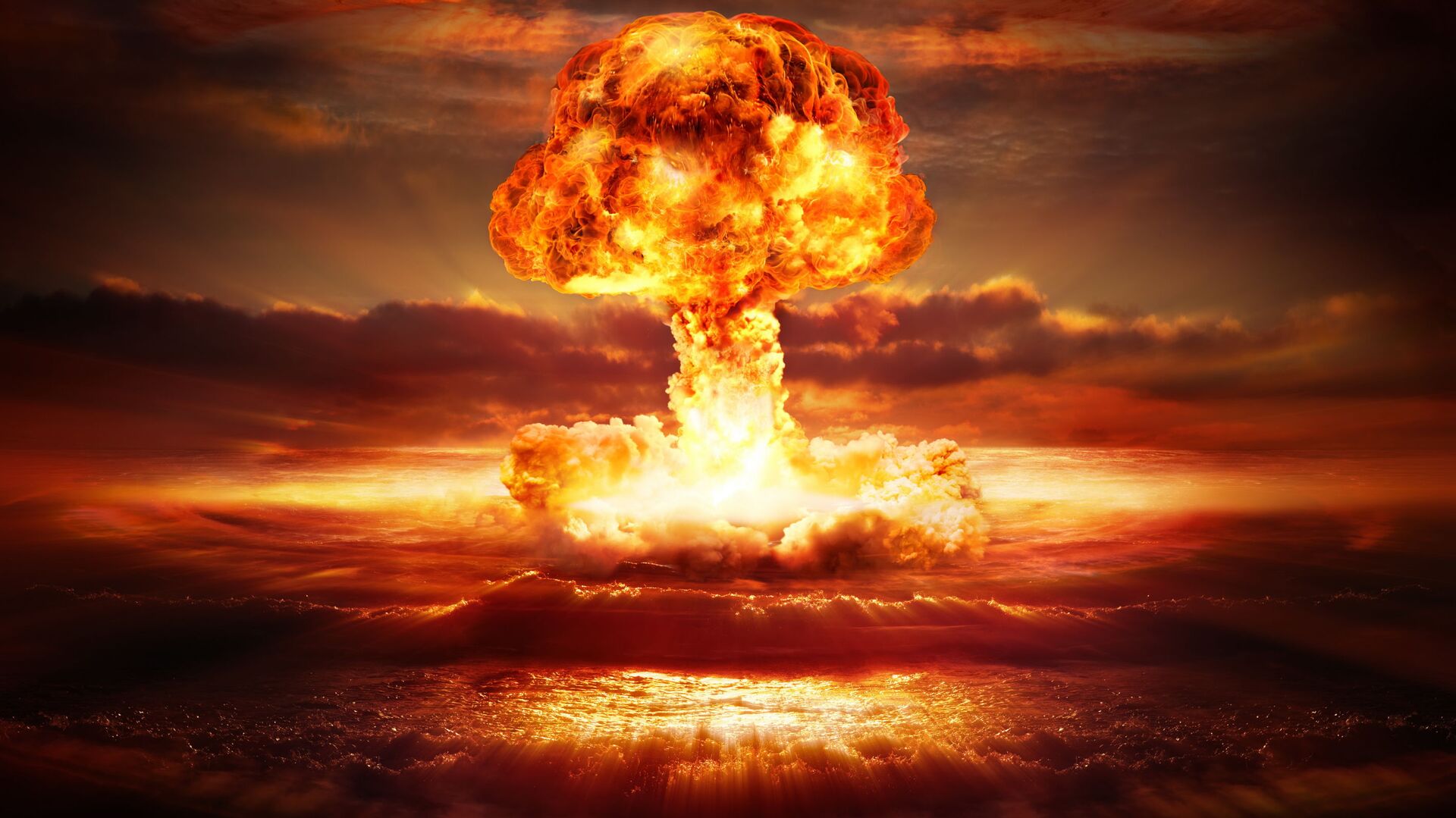
With the advent of nuclear energy in the 20th century, the global community’s primary focus was on its application in the development of highly destructive weapons. Despite widespread concerns, the actions of nuclear-capable nations transformed the end of World War II into the dawn of the Atomic Age. From 1945 to 1964, during the geopolitical tensions of the Cold War and in the absence of effective international disarmament policies, countries such as the United States, the Soviet Union, the United Kingdom, France, and China emerged as nuclear powers. These nations conducted numerous nuclear tests across various environments—atmospheric, underground, and underwater. Such tests not only posed significant threats to global peace and security but also, depending on the methods employed, caused varying degrees of environmental damage and widespread violations of human rights.
The Detriments of Nuclear Testing
Nuclear tests, particularly those conducted in populated areas, present serious health risks to local communities. The fallout from nuclear explosions can contaminate air, water, and soil, leading to long-term health issues such as cancer and other radiation-induced diseases. A pertinent example is the French nuclear tests in the South Pacific, which became the subject of a case before the International Court of Justice (ICJ). This case underscored the environmental and health impacts of the nuclear tests and highlighted the potential violations of human rights, particularly regarding the right to a healthy environment (Bordes and Temeharo v. France, 1999).
Furthermore, these tests often result in the displacement of communities, disrupting social structures and economic stability. Such forced relocations frequently occur without adequate compensation or support, exacerbating human rights violations. The U.S. nuclear tests conducted in the Marshall Islands between 1946 and 1958 exemplify the displacement and infringement of the rights of the islanders (Bolton, 2022).
International Treaties on Nuclear Arms Control
The Antarctic Treaty (ATS) of 1959 was the first to address the prohibition of nuclear tests. However, its limited scope meant it achieved little. In 1963, the Partial Test Ban Treaty (PTBT) was introduced, which specifically prohibited nuclear tests in certain environments. However, its failure to address underground nuclear tests limited its effectiveness. The 1996 Comprehensive Nuclear-Test-Ban Treaty (NPT) sought to address the shortcomings of the 1963 treaty by prohibiting all forms of nuclear testing. Although this marked a positive step toward banning nuclear tests, it still faced notable deficiencies, particularly in compensating for the damages caused by nuclear tests (Salimi Torkamani, 2012).
Another significant treaty is the Treaty on the Prohibition of Nuclear Weapons (TPNW), adopted in 2017. This treaty explicitly bans the use of nuclear weapons and also addresses nuclear testing, prohibiting it and establishing national and international support mechanisms for affected victims. However, the TPNW has not yet come into full force (Meshkat et al., 2019).
Human Rights Treaties and Conventions
Human rights treaties and conventions related to nuclear testing primarily focus on the consequences of such testing on human rights, particularly environmental damage, health effects, and the rights of affected populations. Although these treaties do not explicitly link nuclear testing to human rights, they imply the connection.
1. The International Covenant on Civil and Political Rights (ICCPR), adopted in 1966, is a fundamental human rights treaty that obligates states to respect and ensure individuals’ civil and political rights. While it does not specifically mention nuclear tests, its provisions on the right to life (Article 6) and the right to health can be interpreted to encompass the adverse effects of nuclear tests on populations;
2. The Convention on the Rights of the Child (CRC) emphasizes the protection of children’s rights and welfare. Given that nuclear tests can have long-term health effects on children, the CRC’s provisions on health and development are highly relevant;
3. The Convention on the Elimination of All Forms of Discrimination Against Women (CEDAW) addresses health issues stemming from environmental hazards, noting that nuclear tests can disproportionately affect women and children, raising concerns under this convention;
4. Environmental treaties, such as the Stockholm Convention on Persistent Organic Pollutants, indirectly address nuclear testing and its environmental impacts, highlighting the effects on human rights, particularly the right to health and a healthy environment;
5. The International Committee of the Red Cross (ICRC) has also stated that nuclear weapons pose a grave threat to civilian life and humanity’s future, arguing that the use of such weapons is fundamentally incompatible with international humanitarian law (Bugnion, 2005).
Notable Initiatives
In the late 1990s and early 2000s, several countries, including South Africa and Brazil, voluntarily ceased their nuclear tests and dismantled their arsenals due to humanitarian concerns and international support for human rights. Civil society organizations played a crucial role in emphasizing the human costs of nuclear testing, influencing these countries’ decisions to pursue disarmament (UN Experts Urge States to Address Human Rights Impact of Nuclear Testing, 2024).
North Korea’s nuclear tests have faced widespread international condemnation, including from human rights organizations highlighting the regime’s human rights abuses. While these concerns have not directly led to the cessation of tests, they have resulted in diplomatic pressure, sanctions, and negotiations aimed at nuclear disarmament (Prăvălie, 2014).
Overall, public pressure and human rights advocacy have increased scrutiny of nuclear testing policies in various countries. For example, in the Pacific Islands, where France conducted nuclear tests, local activists have raised awareness about the health and environmental impacts on indigenous populations. This activism has contributed to a broader movement against nuclear testing, influencing government policies and international discussions.
Conclusion
Although no specific treaty explicitly addresses the intersection of human rights and nuclear testing, existing human rights frameworks provide a robust foundation for arguing that nuclear testing violates fundamental human rights. The health, environmental, and social impacts of nuclear tests on vulnerable populations are profound, necessitating the integration of human rights considerations into discussions on nuclear disarmament and testing policies.
Despite the expectation that the international community would take a firm stance against the use of such weapons and criminalize their use, this has not been realized due to various geopolitical considerations. The limited success of international law in addressing nuclear weapons and the obstacles it faces are largely attributable to mutual fears and insecurities arising from the arms race. To achieve comprehensive global security, the concept of security must be grounded in mutual trust, equality, and cooperation.
References
- Bolton, M. B. (2022). Human rights fallout of nuclear detonations: Reevaluating ‘threshold thinking’ in assisting victims of nuclear testing. Global Policy, 13(1), 76–90. https://doi.org/10.1111/1758-5899.13042
- Bordes and Temeharo v. France. (1999). International Law Reports, 115, 254-262. https://doi.org/10.1017/cbo9781316152447.002
- Bugnion, F. (2005). The International Committee of the Red Cross and nuclear weapons: From Hiroshima to the dawn of the 21st century. International Review of the Red Cross, 87(859), September.
- Meshkat, M., Ramezani, A., & Salehi, S. (2019). The legal system governing the prohibition of nuclear tests in international law. Energy Law Studies, 5(1), 175-193.
- Nuclear testing: Oppenheimer shines light on Manhattan Project legacy. (n.d.). CTBTO. https://www.ctbto.org/news-and-events/news/nuclear-testing-oppenheimer-shines-light-manhattan-project-legacy
- Prăvălie, R. (2014). Nuclear weapons tests and environmental consequences: A global perspective. AMBIO, 43(6), 729–744. https://doi.org/10.1007/s13280-014-0491-1
- Salimi Torkamani, H. (2012). Criminalization of the use of nuclear weapons under emerging human-centered international law. Criminal Law Research, 1(1), 61-96.
- UN experts urge states to address human rights impact of nuclear testing. (2024, March 5). Office of the High Commissioner for Human Rights. https://www.ohchr.org/en/press-releases/2024/03/un-experts-urge-states-address-human-rights-impact-nuclear-testing


