

Introduction
Canada, a nation historically celebrated as a paragon of multiculturalism and human rights, has, in recent years, encountered substantial challenges regarding the rights of its Indigenous peoples. One of the most salient challenges is the issue of police violence directed against Indigenous individuals, compounded by the societal indifference prevalent within Canada concerning this crisis. This report undertakes an examination of this issue, drawing upon recent events and legal analyses to elucidate how the policies of the Canadian government and prevailing societal attitudes contribute to the infringement of the rights of Indigenous peoples and the perpetuation of cultural genocide against them.
Incidents
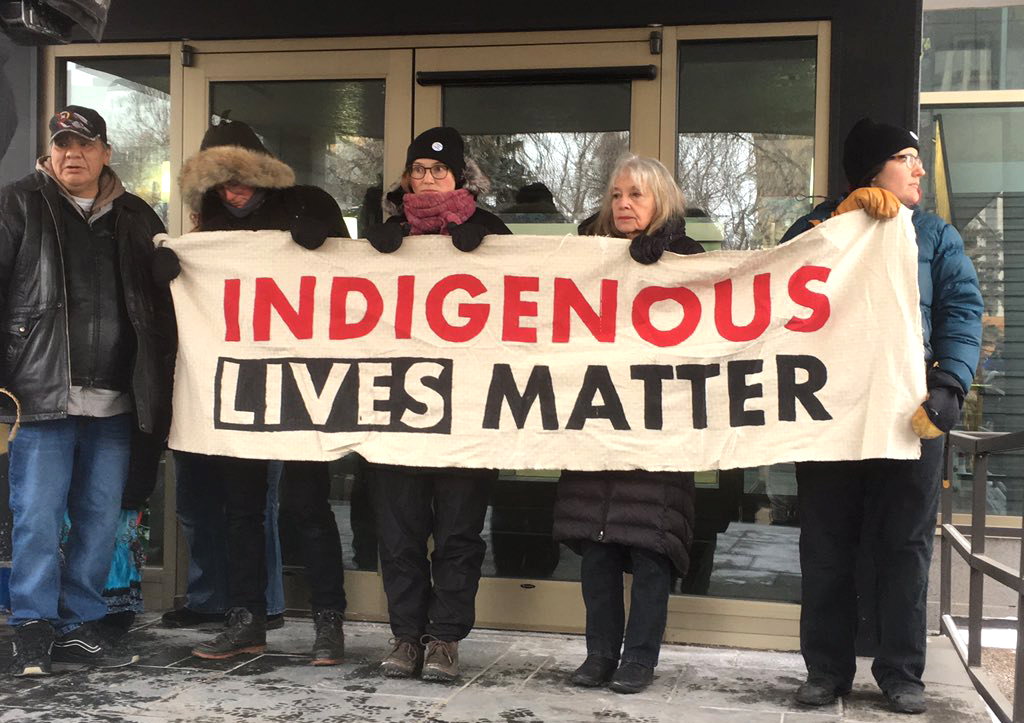
Over the fortnight spanning August 29th to September 9th, 2024, six Indigenous individuals in Canada suffered fatal outcomes as a consequence of police violence. Identified among the deceased were fifteen-year-old House Lightning, Tommy Bateman, Jason West, and Steven “Iggy” Dedam, alongside two unidentified individuals. These deaths stemmed from police actions, encompassing both vehicular collisions and officer-involved shootings. These incidents serve as a stark reminder of previous fatalities resulting from police violence against Indigenous persons, notably the deaths of Chantel Moore, Josephine Pelletier, and Eishia Hudson. The repetitive nature of these tragic events underscores the assertion that police violence targeting Indigenous peoples is neither a coincidental nor isolated phenomenon but rather constitutes a deeply entrenched and systemic pattern warranting immediate investigation and systemic reform.
Police violence perpetrated against Indigenous peoples in Canada constitutes an egregious violation of both fundamental human rights and the inherent rights of Indigenous peoples. Such actions contravene well-established principles of international law, encompassing the right to life, personal security, freedom from discrimination, and the guarantee of a fair and impartial trial. In accordance with the United Nations Declaration on the Rights of Indigenous Peoples (UNDRIP), Indigenous communities possess an inherent entitlement to cultural, social, and economic rights, with states bearing a concomitant obligation to safeguard these rights. Nevertheless, police violence actively impedes the full realization of these rights and further exacerbates systemic discrimination and entrenched inequalities suffered by Indigenous peoples.
Moreover, such violence constitutes a severe dereliction of Canada’s fiduciary obligations toward its Indigenous peoples. The Canadian government has solemnly pledged to implement the Calls to Action delineated by the Truth and Reconciliation Commission concerning residential schools, with the stated aim of rectifying historical injustices and fostering equitable and reconciliatory relationships between the government and Indigenous communities. However, the persistent perpetration of police violence directly contravenes these objectives, thereby evidencing Canada’s failure to duly honor its commitments. Furthermore, inquiries into these incidents are frequently characterized by a lack of both diligence and transparency, often resulting in perpetrators evading accountability for their actions. This engenders a profound distrust among Indigenous communities toward the Canadian justice system and reinforces their deeply ingrained sense of injustice.
The pervasive indifference within Canadian society toward police violence perpetrated against Indigenous peoples represents another deeply troubling dimension of this ongoing crisis. Such apathy signals a tacit devaluation of Indigenous lives, suggesting that Indigenous individuals are implicitly relegated to a status of second-class citizenship, wherein their fundamental rights do not command the same degree of respect and protection afforded to non-Indigenous Canadians. This societal disregard actively perpetuates systemic discrimination and entrenched inequality. The ongoing cultural genocide and systemic violence inflicted upon Indigenous peoples in Canada are not relegated to the annals of history; rather, they constitute present-day realities demanding immediate and resolute action. Silence and indifference in the face of these persistent injustices effectively equate to complicity in their perpetuation.


