

Introduction
Canada has long positioned itself as a global leader in the promotion of human rights and adherence to international standards. The country has undertaken extensive efforts to monitor the conduct of its extractive corporations operating beyond its borders. However, numerous reports indicate that Canada’s current measures are insufficient, resulting in limited access to justice and reparations for communities and workers whose rights have been violated.
In recent years, various human rights organizations and local communities have filed complaints against Canadian companies, alleging a broad range of abuses including forced labor, environmental destruction, violence, harassment, and a lack of transparency in business operations. This report provides a detailed examination of these allegations, the actions taken by Canadian oversight bodies—particularly the Canadian Ombudsperson for Responsible Enterprise (CORE)—and the testimonies submitted to the House of Commons Standing Committee on International Trade.
Incidents
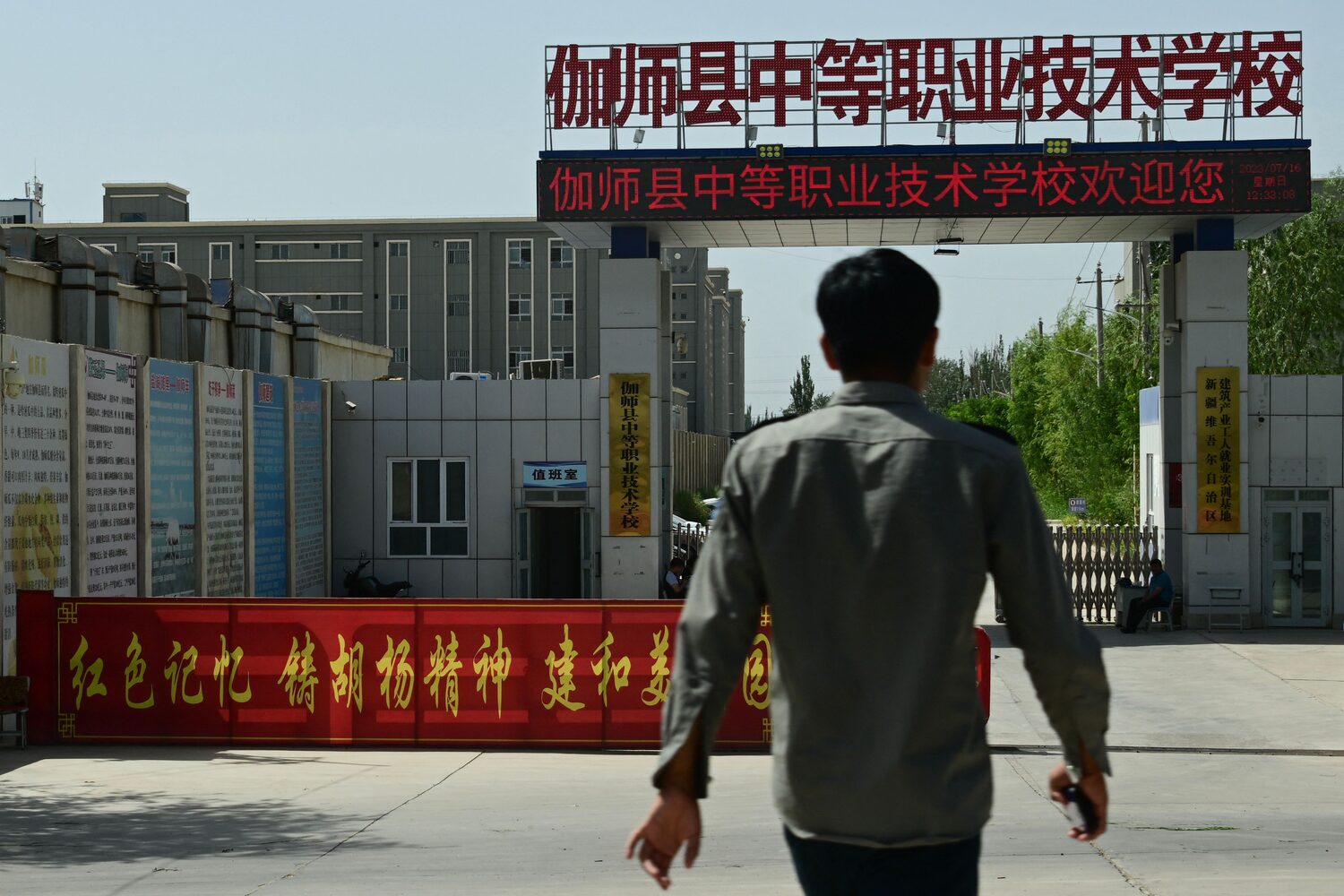
In 2022, a coalition of human rights organizations filed complaints against three Canadian companies—Walmart Canada, Hugo Boss Canada, and Diesel Canada—accusing them of benefiting from the use of forced labor of Uyghurs in China’s Xinjiang region. In response, CORE launched investigations into the three companies in August of that year.
On August 24, 2023, CORE released its initial assessment reports concerning these complaints. The reports pointed to potential business ties between the Canadian companies and Chinese firms implicated in the use of forced Uyghur labor. While Walmart Canada broadly denied the allegations, it failed to provide a substantive response. Hugo Boss Canada also denied the allegations, but its response appeared to overlook the complexities of the global apparel supply chain. Diesel Canada, for its part, denied the allegations and stated that it had reviewed its supply chain, had no involvement in human rights violations, and did not source any materials from Xinjiang. However, Diesel Canada’s refusal to engage with CORE’s initial assessment process raised concerns about its transparency in human rights due diligence.
In a similar development, in February, the House of Commons Standing Committee on International Trade held hearings on the harmful impacts of Canadian mining companies abroad. During these sessions, six new reports were presented, linking Canadian companies and their subsidiaries to “widespread and ongoing abuses,” including murder, torture, forced labor, arbitrary detention, and intimidation.
According to these reports, Canadian companies such as Nygard International, Torex Gold Resources Inc., Feronia Inc., Barrick Gold Corporation, Goldcorp Canada Ltd., and corporate customers of medical glove manufacturers Top Glove and Supermax have been implicated in various human rights violations and environmental harms. For example, Nygard International has been linked to the sexual exploitation of women and children in the Bahamas. Torex Gold Resources Inc. stands accused of involvement in the killing of environmental activists in Mexico. Feronia Inc. has been charged with unlawful land grabs and the displacement of local communities in the Democratic Republic of the Congo. Additionally, Canadian firm Ivanhoe Mines has been associated with human rights violations in its copper mining operations in the same country.
Due to the reluctance of many companies to meaningfully engage in the dispute resolution process, CORE decided to independently investigate and verify the allegations and corporate responses.
Despite these efforts, CORE’s effectiveness remains under criticism. The United Nations Special Rapporteur on the Rights of Indigenous Peoples has identified several shortcomings in CORE’s mandate, including the absence of protective mechanisms for complainants and the inability to compel companies to submit evidence or documentation.
Meanwhile, Bill S-211, aimed at combating forced and child labor in supply chains, was passed into law in May. However, it has been criticized for failing to adequately address the complexities of these labor issues. Currently, Canada’s legal framework governing corporate accountability for overseas human rights abuses appears insufficient. While some companies voluntarily adopt corporate social responsibility standards, these remain unenforceable and are not robust enough to prevent human rights violations.
These cases are also subject to scrutiny under international law. The principle of “due diligence” obliges companies to prevent human rights violations throughout their supply chains. As emphasized in the United Nations Guiding Principles on Business and Human Rights, corporations are required to identify, assess, and mitigate human rights risks, while states are obligated to protect human rights both within and beyond their territories. This includes implementing effective measures to prevent human rights violations by companies headquartered within their jurisdiction.
The allegations against Canadian corporations underscore the inadequacy of voluntary frameworks and the pressing need for binding legal obligations. The Canadian government must enact robust legislation to compel Canadian companies to adhere to human rights standards in all aspects of their global operations. Furthermore, mechanisms must be established to ensure access to justice and adequate remedies for victims.


