

Sahar Barati Borujeni
PhD Student in International Relations, University of Isfahan
Introduction
International humanitarian law (IHL) is a body of legal rules that aims, during armed conflicts, to protect civilians, the wounded, the sick, prisoners of war, and other individuals who are not or are no longer participating in hostilities. This body of law also imposes limitations on the parties to a conflict regarding the means and methods of warfare.
At the core of IHL lie the Geneva Conventions and their Additional Protocols. The development of humanitarian law is a continuous and dynamic process necessary for addressing emerging challenges and ensuring the continued effectiveness of IHL in a rapidly changing world. In this context, the International Committee of the Red Cross (ICRC) plays an unparalleled role in the development, promotion, and implementation of humanitarian law.
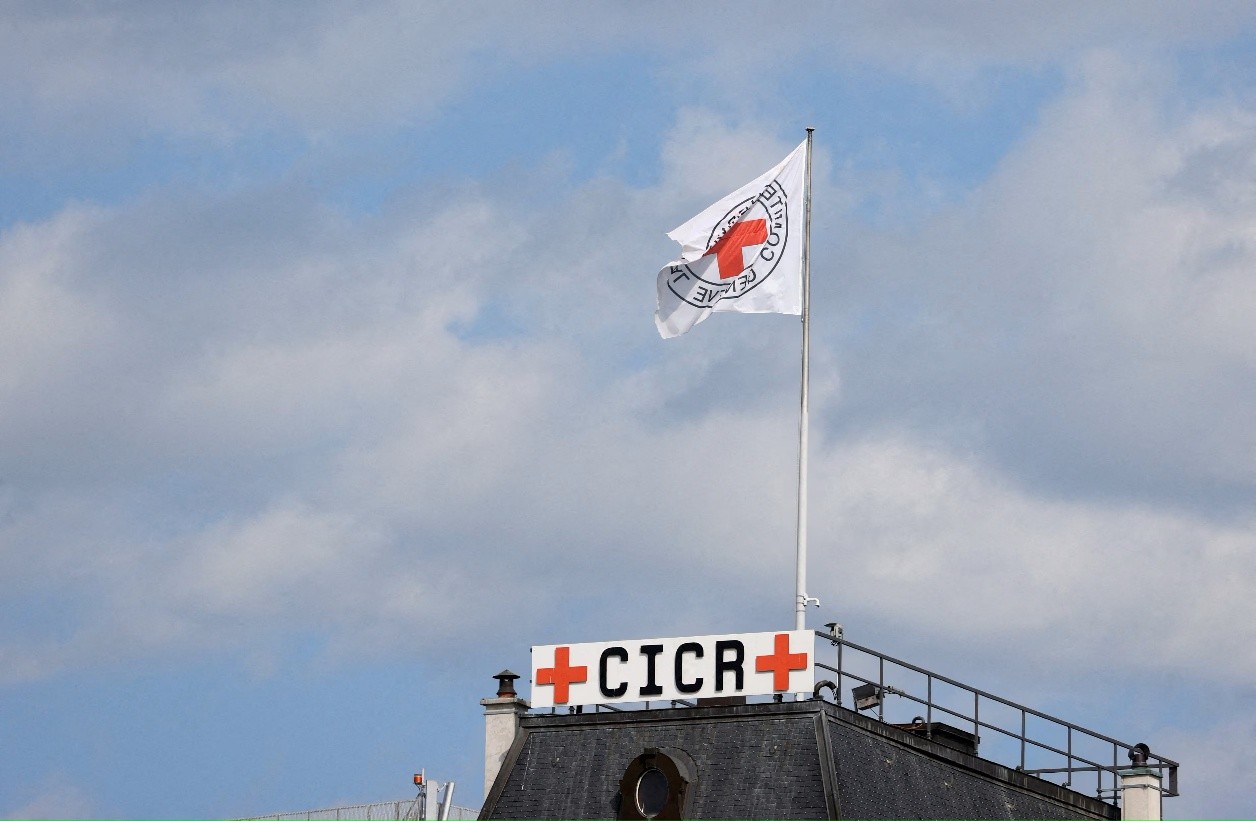
The ICRC is a neutral, independent, and non-governmental humanitarian organization founded in Geneva, Switzerland, in 1863. Its primary mission is to protect and assist victims of armed conflicts and other situations of violence. The organization operates based on seven fundamental principles: humanity, impartiality, neutrality, independence, voluntary service, unity, and universality. Under the Geneva Conventions and their Additional Protocols, the ICRC holds a special mandate to promote and develop international humanitarian law.
The ICRC’s Role in the Development of International Humanitarian Law
The ICRC contributes to the development of IHL through several key avenues:
- Research and Study: The ICRC continuously conducts research on issues related to IHL. These studies help identify gaps and challenges in the current legal framework and lay the groundwork for proposing new measures to enhance IHL.
- Drafting and Developing Treaties and Legal Instruments: The ICRC has played a pivotal role in the drafting and development of international treaties and legal documents concerning humanitarian law.
- Promotion and Education: The ICRC widely promotes and educates stakeholders about IHL, including governments, armed forces, NGOs, and the general public. These efforts enhance awareness and strengthen respect for humanitarian law (International Committee of the Red Cross [ICRC], n.d.).
- Monitoring Implementation: The organization monitors the application of IHL during armed conflicts, documents potential violations, and engages in confidential dialogue with parties to the conflict regarding such breaches.
- Humanitarian Assistance: Providing humanitarian aid to victims of armed conflicts is another crucial function of the ICRC. This includes delivering medical aid, distributing food and water, helping trace missing persons, and supporting the families of victims.
- Supporting National Implementation Mechanisms: The ICRC supports the establishment of national mechanisms for the implementation of IHL, such as national humanitarian law committees, relevant legislation, and training programs for armed forces and governmental institutions (Lozinska & Kiryk, 2023).
Cooperation Between the ICRC and States
In fulfilling its humanitarian mandate, the ICRC cooperates closely with states across various levels. It expects states to respect and support the implementation of IHL and to facilitate humanitarian access and assistance to victims of armed conflict. In return, the ICRC assists states in developing national legislation, training military personnel, and creating domestic structures for IHL enforcement.
This mutual cooperation is essential for ensuring the effectiveness of humanitarian efforts and for protecting victims of war and violence. Nonetheless, the ICRC consistently strives to maintain its independence and neutrality in these partnerships and refrains from actions that may compromise these core principles (Sivakumaran, 2024).
Conventions and International Instruments Recognizing the ICRC’s Role
- Geneva Conventions (1949): These Conventions constitute the foundation of IHL and confer a distinct role upon the ICRC. Specifically, the four Geneva Conventions assign the ICRC responsibilities including the care of the wounded and sick in armed forces in the field, assistance to shipwrecked members of armed forces at sea, the treatment of prisoners of war, and protection of civilians during wartime. The Conventions also grant the ICRC the right of humanitarian initiative—allowing the organization to offer its services in emergencies without prior consent.
- Additional Protocols to the Geneva Conventions (1977): These Protocols supplement the Geneva Conventions and offer additional protections to victims of international and non-international armed conflicts. The ICRC is mandated to promote, interpret, and monitor the implementation of these Protocols and to support victims of conflict.
- United Nations Resolutions: Various UN resolutions—such as Resolution 2730—have highlighted the ICRC’s essential role in delivering humanitarian aid and advancing IHL.
Criticisms of the ICRC’s Performance
Despite its prominent international role, the ICRC has faced several criticisms:
- Lack of Transparency: Critics argue that the ICRC is not sufficiently transparent about its activities, which may undermine public trust.
- Neutrality or Silence in the Face of Atrocities: The principle of neutrality requires the ICRC to refrain from taking sides in conflicts. However, some critics contend that this neutrality has led the organization to remain silent in the face of war crimes and human rights violations (Boissier, 1968).
- Restricted Access: In some conflict zones, the ICRC faces obstacles to access, which hinders the delivery of aid—such as in the conflict in Gaza.
- Effectiveness: The effectiveness of the ICRC’s assistance has been questioned, particularly in prolonged conflicts where its impact may be limited.
- Dependence on Government Funding: A significant portion of the ICRC’s budget comes from state contributions, raising concerns about the organization’s financial independence.
It is important to note that these critiques do not negate the valuable and constructive role the ICRC plays on the global stage. The organization faces complex challenges and remains committed to upholding its principles while assisting victims of armed conflict.
Conclusion
As a leading humanitarian organization, the ICRC plays a vital role in the development of international humanitarian law. Its efforts in research, treaty development, education, monitoring, and humanitarian aid significantly contribute to strengthening IHL and protecting conflict victims. In light of the evolving challenges facing humanitarian law, the ICRC’s role in its ongoing development remains critically important.
References
- Boissier, L. (1968). The silence of the International Committee of the Red Cross. International Review of the Red Cross, 8(85), 178–180. https://doi.org/10.1017/S0020860400016648
- International Committee of the Red Cross [ICRC]. (n.d.). Advisory service, International Review and other resources. Retrieved May 5, 2025, from https://www.icrc.org/en/advisory-service-international-review-and-other-resources
- Lozinska, S., & Kiryk, A. (2023). Contribution of the International Committee of the Red Cross in development and implementation of international humanitarian law. Ekonomìka, Fìnansi, Pravo, 6, 94–98. https://doi.org/10.37634/efp.2023.6.18
- Sivakumaran, S. (2024). The development of international humanitarian law by the International Committee of the Red Cross (pp. 125–148). Oxford University Press. https://doi.org/10.1093/oso/9780197775134.003.0007
- The Role of the International Committee of the Red Cross. (2022). Oxford University Press eBooks. https://doi.org/10.1093/law/9780192868909.003.0021


