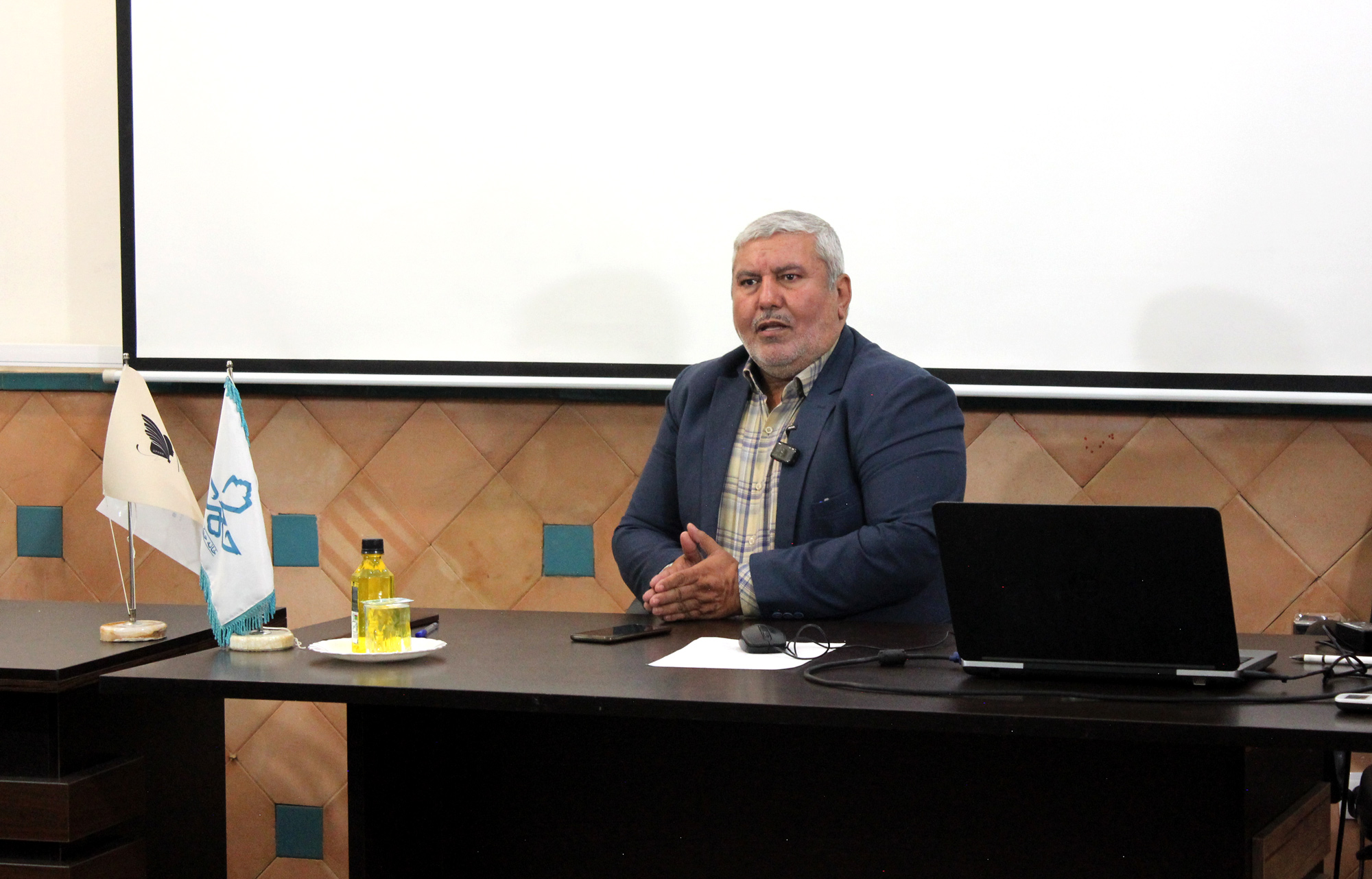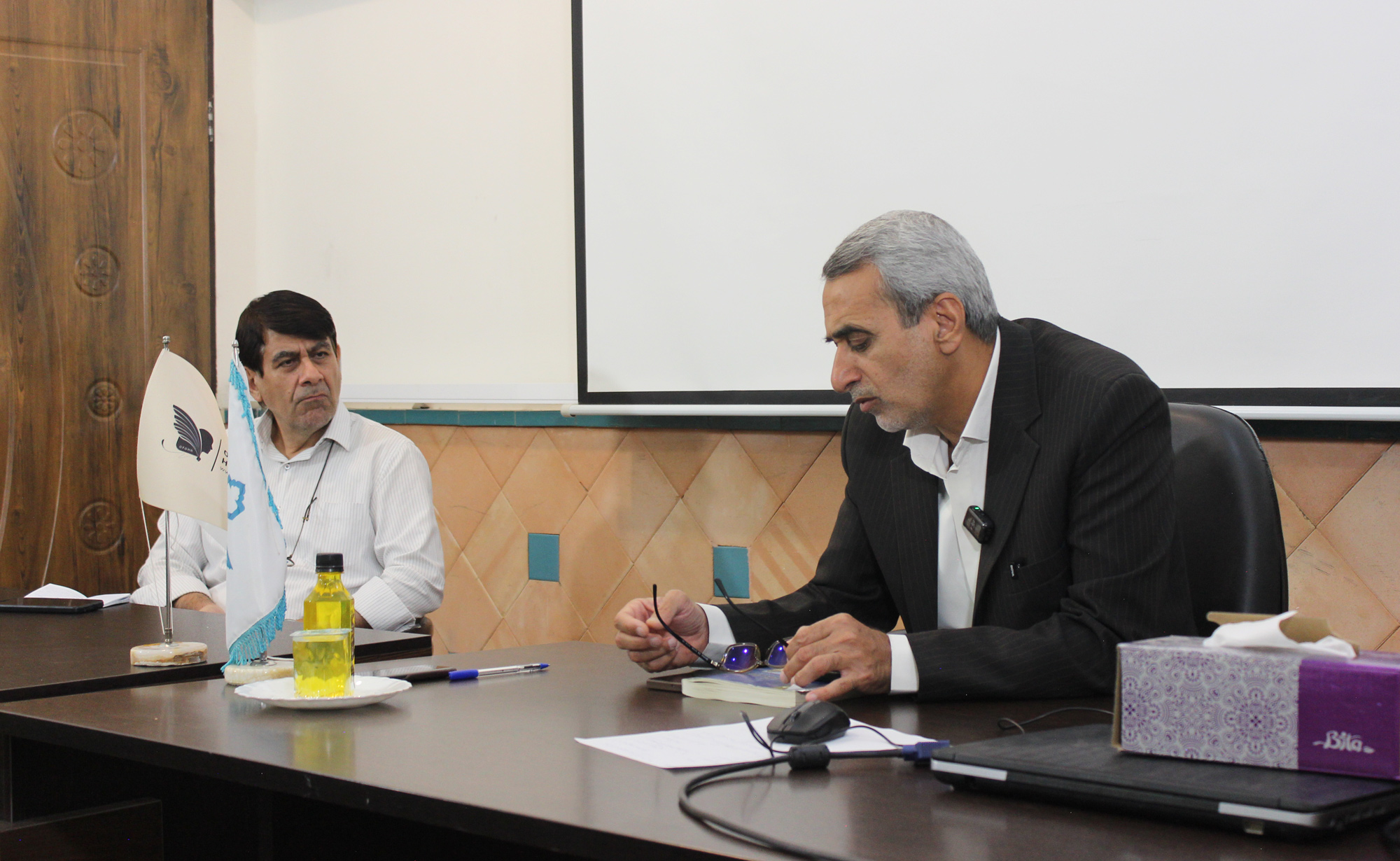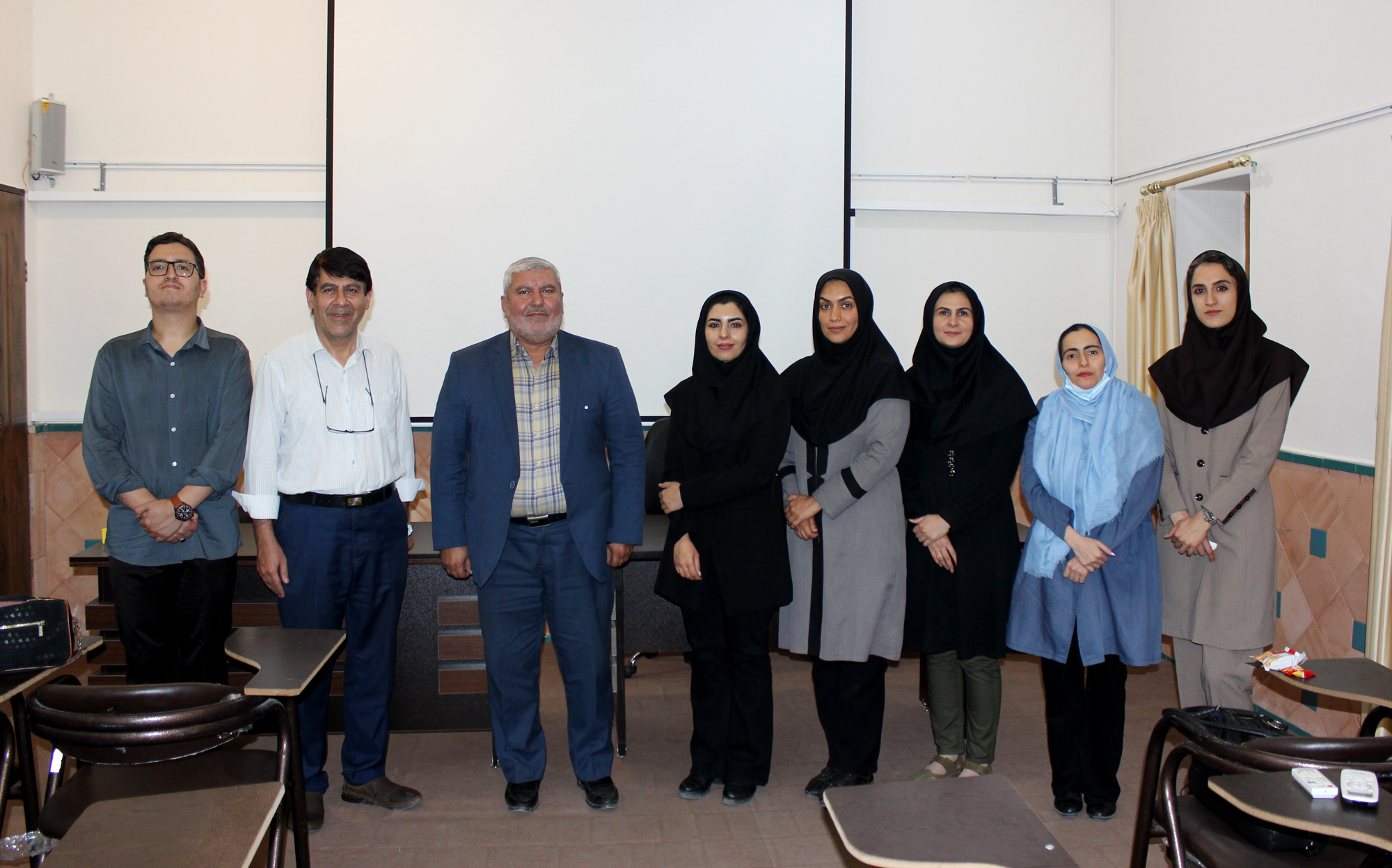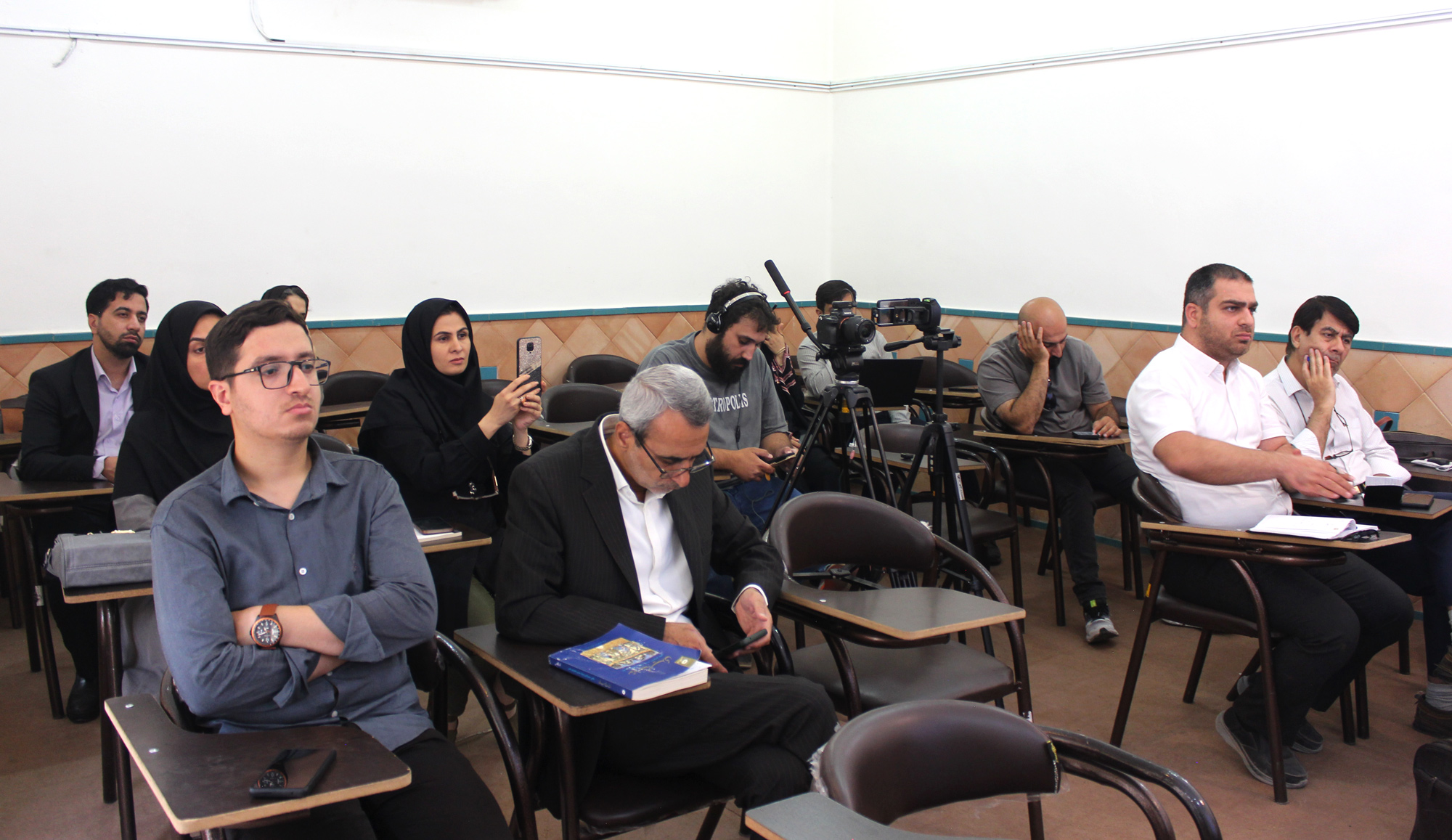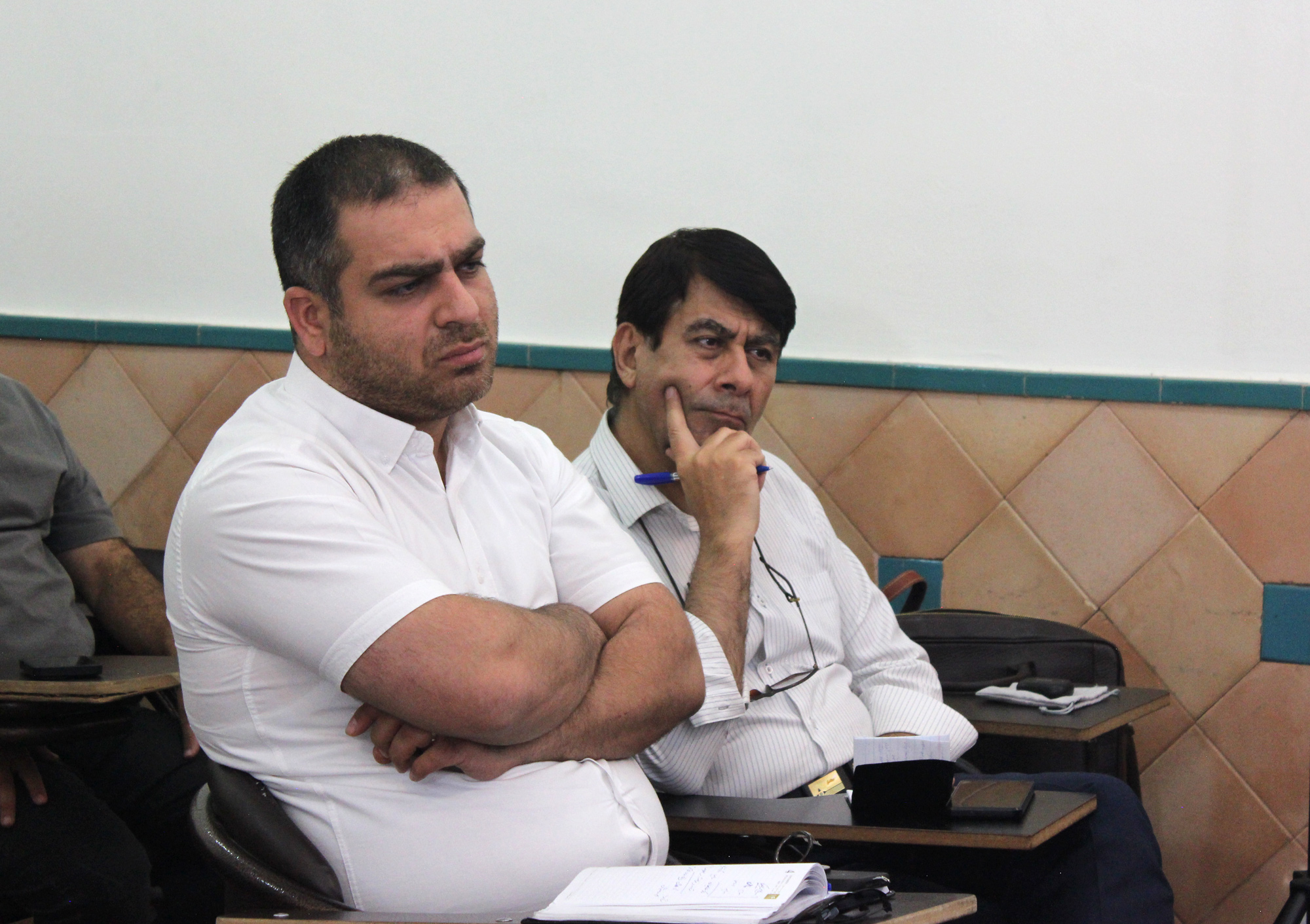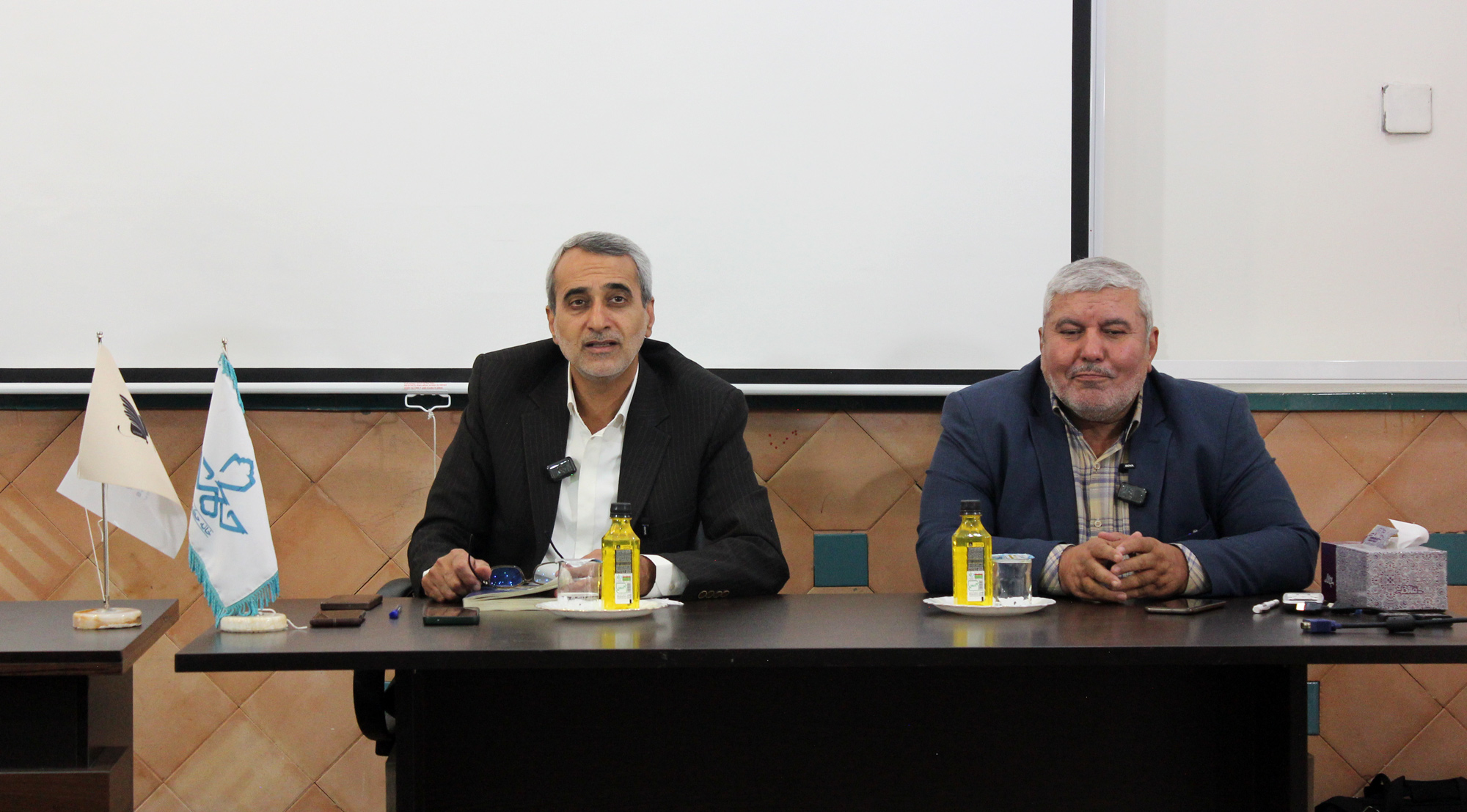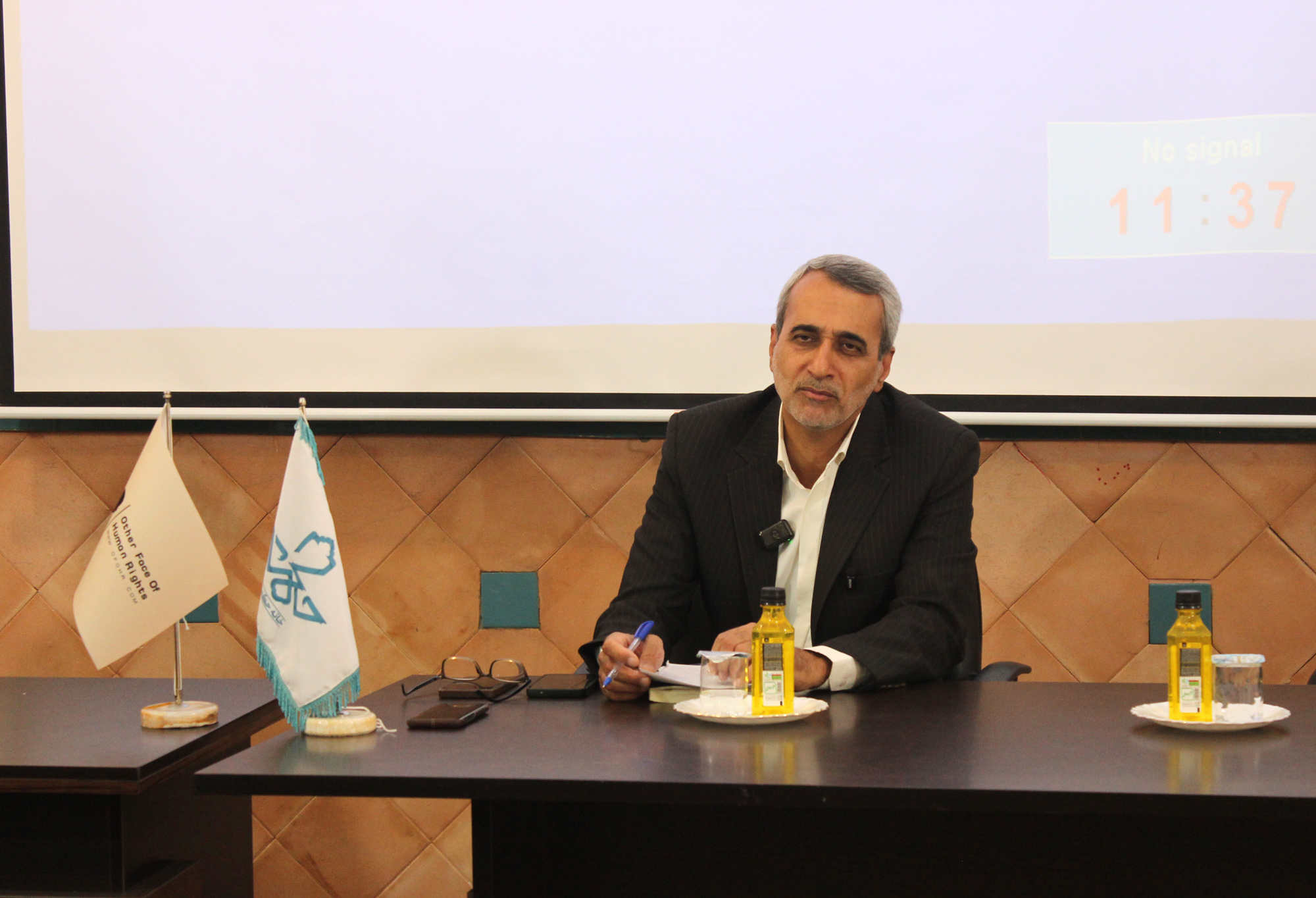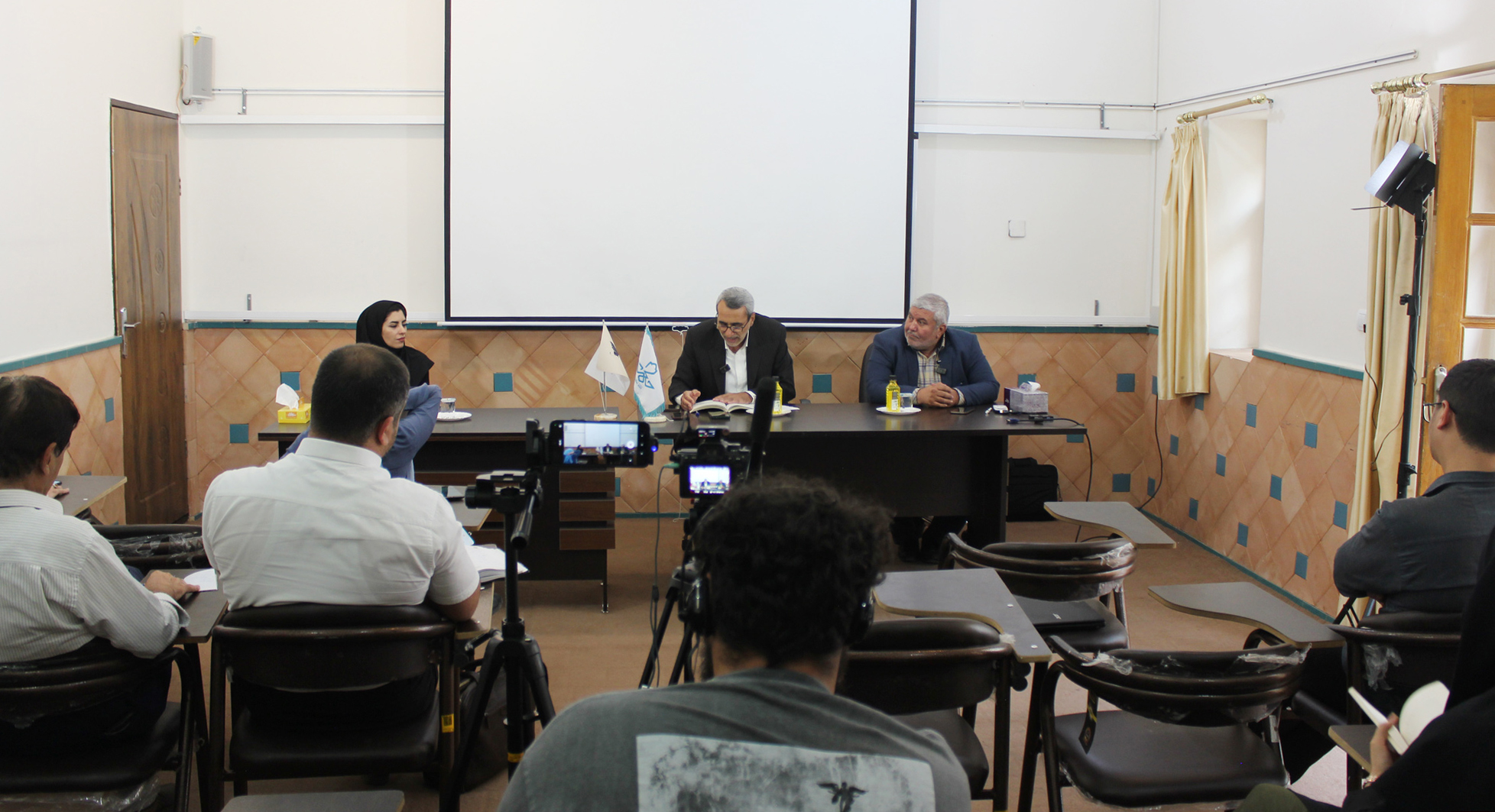
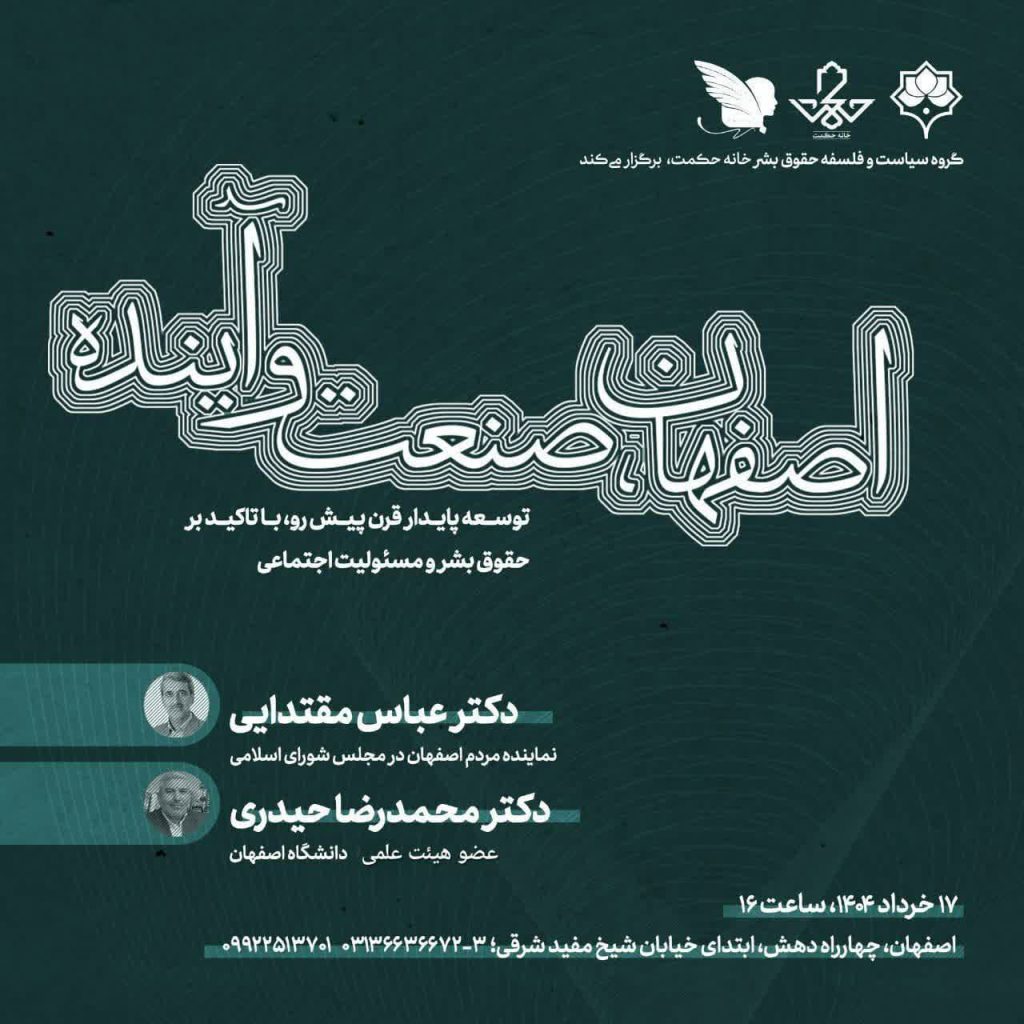
The specialized session titled “Isfahan, Industry, and the Future: Sustainable Development in the Coming Century with Emphasis on Human Rights and Social Responsibility” was held in June 2025 through the collaborative efforts of the Human Rights Institute of the University of Isfahan (HRIUI) and the Politics and Philosophy of Human Rights” group of the Khane Hekmat (House of Wisdom). The session explored various dimensions of industrialization in Isfahan from economic, social, and cultural perspectives, emphasizing the necessity of reevaluating current development approaches. It provided an invaluable opportunity for in-depth analysis of challenges and the proposition of solutions in the discourse of industry and sustainable development.
Session Information
- Moderator: Sahar Barati Boroujeni, PhD candidate in International Relations, University of Isfahan
- Speakers:
- Dr. Abbas Moghtadaei, Member of Iranian Parliament for Isfahan
- Dr. Mohammadreza Heidari, Faculty Member, Department of Economics, University of Isfahan
- Topics Covered:
- Examination of the concepts of industry, sustainable development, and social responsibility
- Analysis of the challenges of industrialization in Isfahan
- Presentation of proposed solutions to these challenges
- Date: Saturday, June 7, 2025
- Time: 16:00 – 18:00
- Venue: Khane Hekmat (House of Wisdom)
Summary of Presentations
Dr. Abbas Moghtadaei opened his remarks by emphasizing the central role of production in a dynamic economic system. He stated that production is not merely a fundamental pillar of the economy but also the main driver of other sectors and transactions. Enhancing and streamlining production processes, he argued, has profound effects across all economic dimensions of society, which may manifest as either constructive or destructive. In this light, productive and ethical industrial output serves as the core engine for economic growth, job creation, and the promotion of public welfare.
Dr. Moghtadaei elaborated on the theoretical and practical frameworks of production in Islamic thought and under the Constitution of the Islamic Republic of Iran. He emphasized that industry and production processes should align with the objectives of Islamic economics—an orientation not confined to Iran alone, but rather a universal call to all Islamic nations to pursue value-oriented and sustainable development. He stressed that the motivation for production in Islamic countries is not limited to material profit but is fundamentally driven by social benefits, communal development, and, above all, the pursuit of divine satisfaction. Thus, emphasizing lawful livelihood, holistic societal growth, and ethical conduct in the industrial development process is of vital importance.
He then outlined a centennial vision for Isfahan’s industrial future, positing that the province’s industrial sector should serve as a stabilizing force contributing to national security, public welfare, regional development, and effective liquidity management. Referring to Article 3 of the Iranian Constitution, he viewed this approach as a cornerstone of the country’s macro-level policymaking.
Comparing Islamic and Western perspectives on industry and society, Dr. Moghtadaei drew attention to several fundamental distinctions. According to intellectuals such as Manzar, the first critical difference is the comprehensive nature of legal governance in Islamic society, where detailed laws ensure social order and discipline. The second major difference is the absence of effective moral controls beyond legal frameworks in capitalist societies, which often leads to widespread social dysfunction.
In this context, he proposed that the Islamic conceptualization of production holds multidimensional and transcendental characteristics. As part of a hundred-year vision for Isfahan’s industrial future, the following core principles must be prioritized:
- Valuing labor and effort: Recognizing work and production as essential economic and social values
- Promotion of lawful income: Emphasizing income generation through legitimate means and avoiding ambiguity
- Serving society: Prioritizing the community’s needs and public interest over individual gains
- Optimal resource utilization: Efficient and sustainable use of production factors, especially youth potential
- Self-reliance and independence: Moving toward economic autonomy and reduced dependency
- Meeting public needs: Focusing on the production of essential goods for society
- Moderation in consumption: Encouraging prudent consumption and avoiding extravagance
- Production organization: Promoting order and standardization in production processes
- Seizing opportunities: Strategically utilizing available resources and capacities
- Avoiding dependency: Empowering individuals for active participation in society and the economy
- Recognizing limitations: Considering environmental and resource constraints
- Preserving human dignity: Ensuring respect and rights for all actors in the production sphere
Dr. Mohammadreza Heidari began his presentation by distinguishing between the concept of sustainable development in global literature (e.g., the Brundtland Commission) and the prevailing development approach in Iran, particularly in Isfahan. He highlighted the deep conceptual differences between sustainability, social responsibility, and human rights in Western frameworks and Islamic foundational principles, emphasizing the need to localize these concepts.
Dr. Heidari traced the historical trajectory of industrialization in Isfahan, noting its inception around a century ago with the establishment of the “Vatan Spinning Factory” in 1925. This was followed by the development of various industries: mining (1929), cement (1958), sugar (1959), power generation (1969), steel (1972), oil refining (1979), metallurgy (1991), defense and military industries (1976), petrochemicals (1992), and machinery manufacturing (1981).
However, he noted a troubling paradox: despite these industrial accomplishments and Isfahan contributing 10% to the national industrial value-added, the province holds only 3.9% of the financial value-added in the national economy. This disparity indicates that although industrial output has grown quantitatively, the financial value creation and productivity remain inefficient.
Dr. Heidari, while citing Isfahan’s national ranking in industries such as steel, oil, home appliances, refrigeration, and stone processing, pointed out the heavy price of this progress:
- Environmental crises: The drying of the Zayandeh Rud river, land subsidence, and severe air pollution have significantly impacted public health and quality of life
- Socioeconomic challenges: Imbalanced economic and social development, urban sprawl, rising inequality, and a dramatic decline in social capital (with Isfahan ranked last among provinces on this metric)
- Brain drain and unskilled labor influx: Emigration of skilled human capital and arrival of non-specialized labor, hindering sustainable development
- Energy imbalance: Mismatches in energy supply and demand, threatening economic security
- Investment insecurity: Challenges and uncertainties that deter investment and stifle growth
By comparing Isfahan with other provinces, Dr. Heidari warned that a purely industrialization-oriented approach—focused on the number of factories as a metric of progress—without acknowledging hidden and visible costs, will merely reproduce the current situation. He firmly asserted that repeating the same development path will not yield different outcomes.
Therefore, he stressed the urgent need to fundamentally reassess the province’s development model. Development strategies, he argued, must not be imitative but rooted in the unique cultural, value-based, and identity-oriented context of Isfahan. He called for a greater share of components such as science, literature, culture, technology, and tourism in the province’s development agenda, identifying them as essential foundations for achieving a more holistic, sustainable, and satisfying development path—ultimately enhancing quality of life and ensuring lasting prosperity for Isfahan’s citizens.
Conclusion
Overall, this specialized session, focusing on the interrelation between production, industry, development, and justice, was a constructive effort to critically reconsider the course of industrial development in Isfahan. Within this framework, production was not viewed merely as an economic function but as a strategic concept with moral, social, spiritual, and civilizational dimensions—one capable of laying the groundwork for economic justice, national self-reliance, and the promotion of human dignity.
The discussion emphasized that if industrial development is redefined within the framework of indigenous values and inspired by Islamic teachings and constitutional principles, it can strengthen the bond between economy and ethics, growth and meaning.
Conversely, the analysis of Isfahan’s century-long industrialization trajectory revealed that quantitative achievements in production, when disconnected from hidden costs and structural deficiencies, do not inherently result in sustainable development. Key challenges identified include the disconnect between production and value-added, economic growth and social welfare, and industry and social capital. Environmental degradation, brain drain, economic inequality, and diminished investment security were highlighted as grave indicators of the inefficiency of one-dimensional development models.
The session concluded with a strong emphasis on the need to transition from a factory-centered, quantity-driven model of development to a locally grounded, balanced, and multidimensional one. Such a model would place knowledge, culture, technology, justice, and social responsibility at the heart of progress. Realizing this vision requires redefining the role of industry in relation to human dignity, ecosystems, spatial justice, and spiritual economics—a model that not only fosters economic growth but also elevates quality of life and sustainable citizen well-being.