In recent decades, migration has emerged as a central, multidimensional issue in both national and international policymaking. The increasing prevalence of migration is not merely a matter of numbers; rather, it reflects deepening structural complexity and the diversification of migratory patterns. These developments are shaped by a confluence of factors, including economic crises, political instability, regional insecurity, social transformations, and the accelerating pace of globalization. As a result, migration flows have become increasingly dynamic in terms of direction, motivation, demographic composition, and social consequences—compelling policymakers to adopt integrated, multi-layered, and adaptive approaches.
The Islamic Republic of Iran, due to its geopolitical position and strategic role in the Middle East, is uniquely positioned at the intersection of both sides of the migration equation. On one hand, it functions as a destination country for a significant number of refugees and migrants, particularly from neighboring states such as Afghanistan and Iraq. On the other, it is also a country of origin, witnessing the sustained emigration of its citizens for various economic, academic, and political reasons. This dual role has generated complex, interdisciplinary challenges across legal, economic, cultural, and social domains. Addressing these challenges requires a holistic, evidence-based, and context-sensitive policy lens.
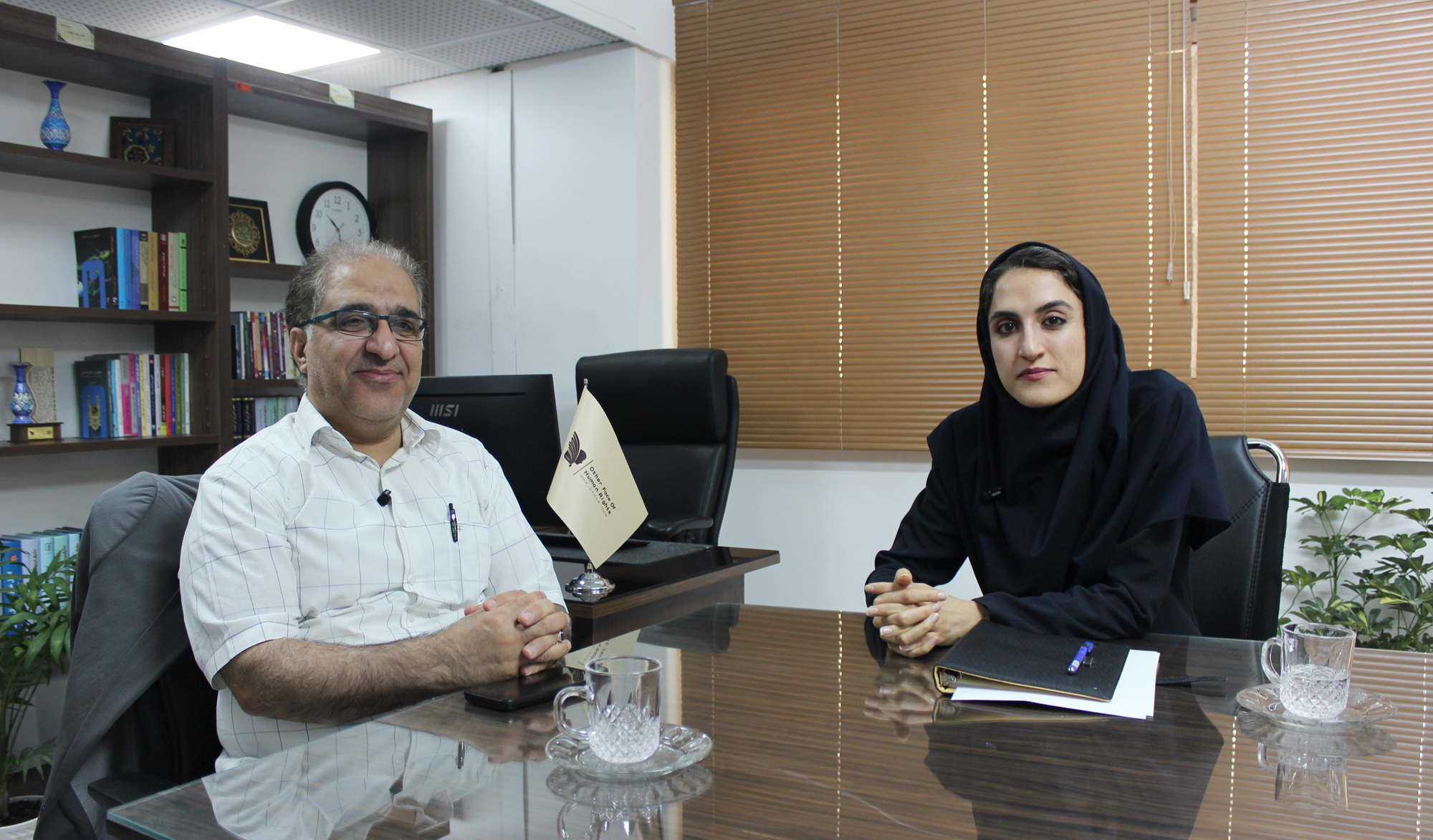
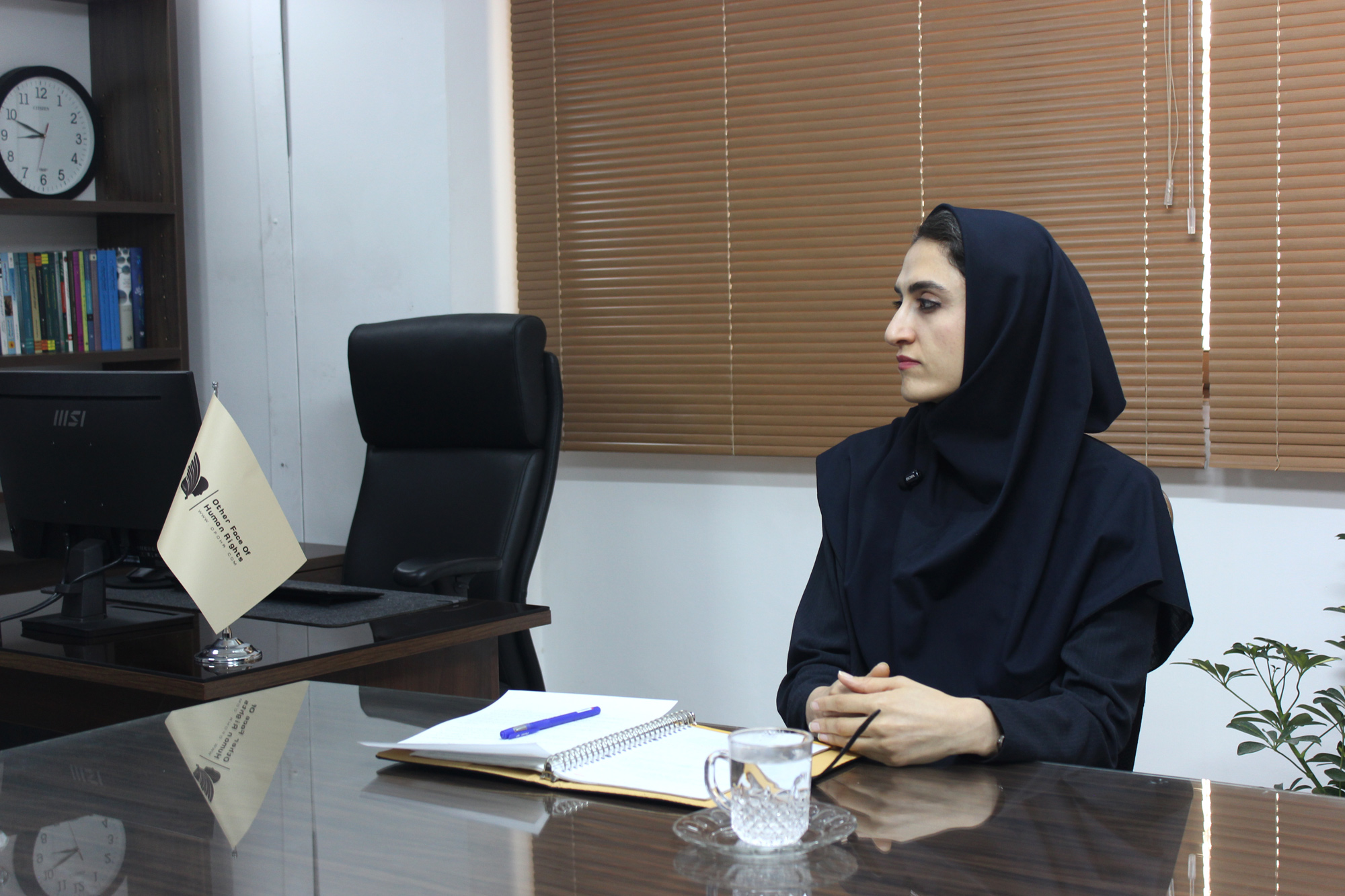
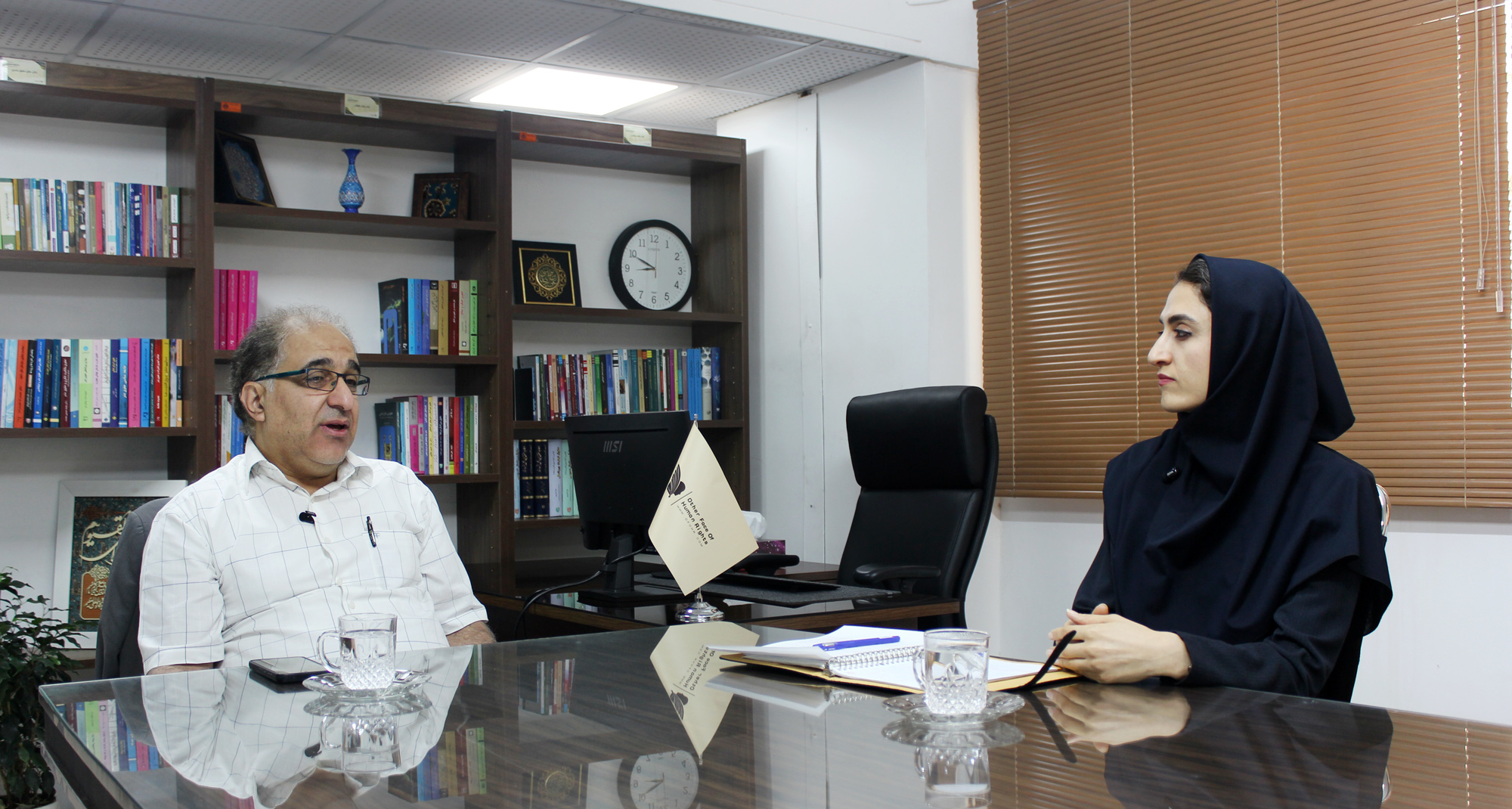
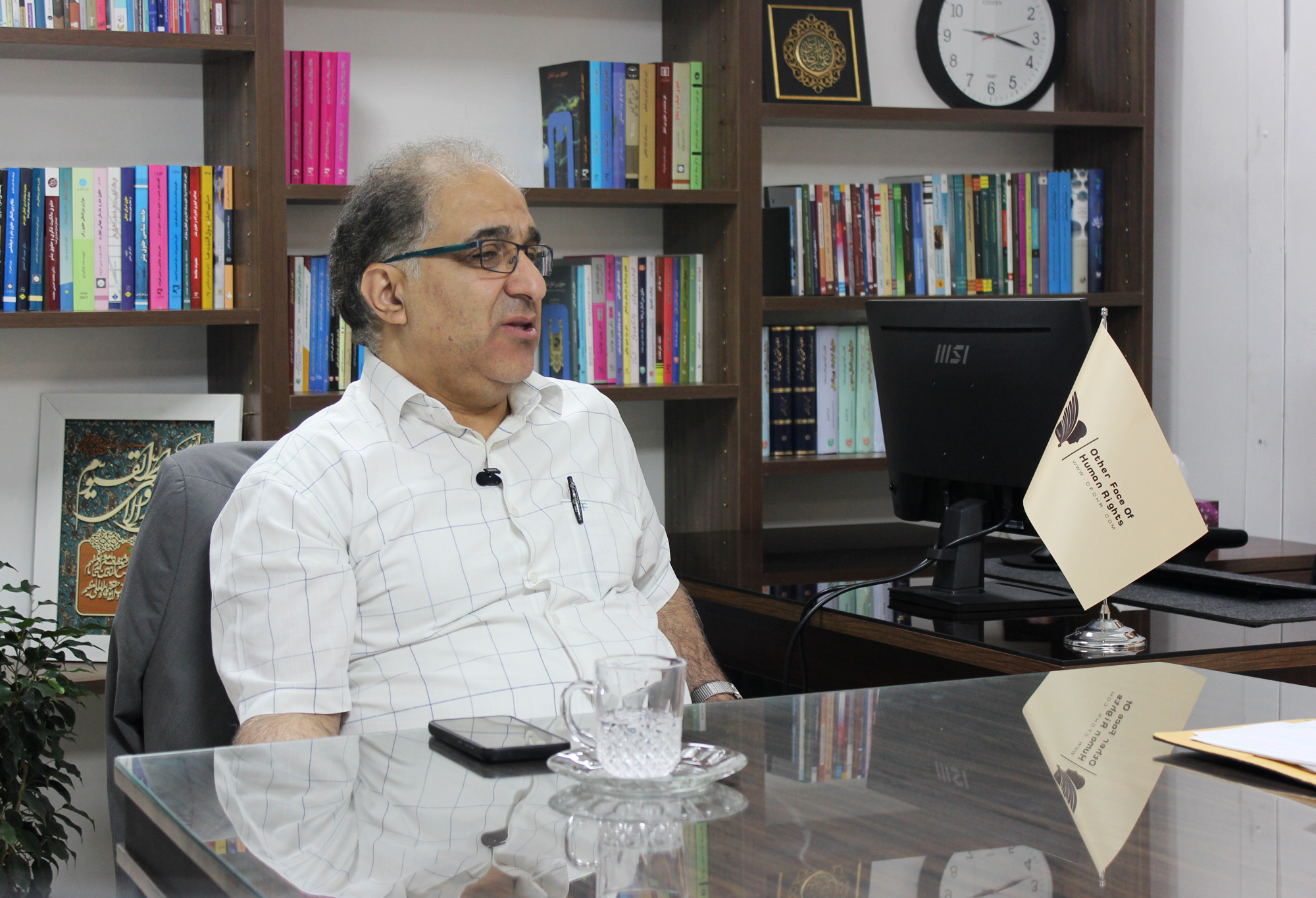
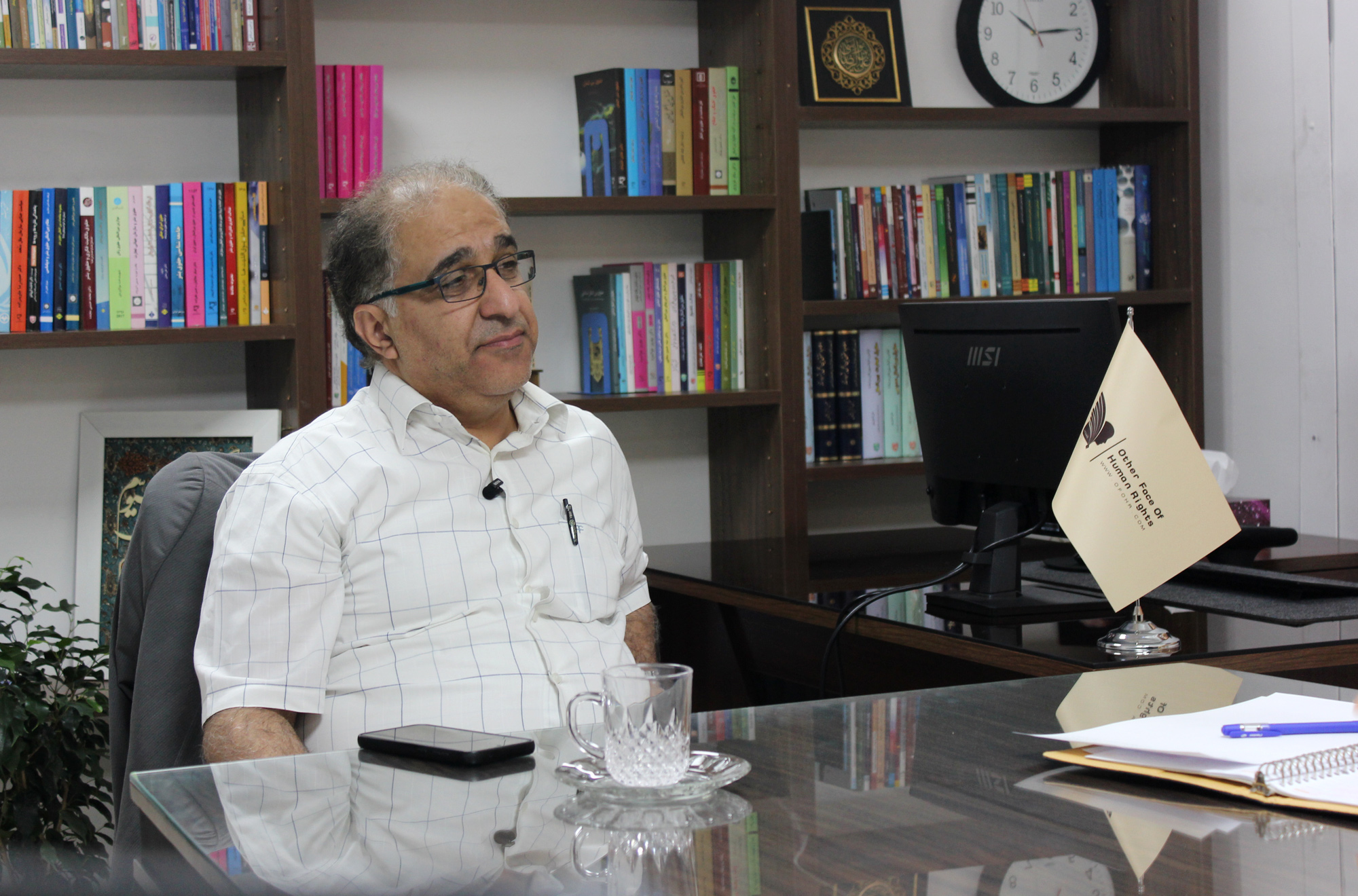
Accordingly, this report is based on an in-depth conversation with Dr. Seyed Amir Masoud Shahramnia, a political sociologist and professor at the University of Isfahan. The aim is to critically assess the current state of migration in Iran, examine its structural implications, and offer strategic perspectives for improving the efficacy of migration policies and governance frameworks.
Interview Details
- Interviewer: Marzieh Tajmiri, PhD student in International Relations, University of Isfahan
- Interviewee: Dr. Seyed Amir Masoud Shahramnia, Faculty Member, Department of Political Science and International Relations, University of Isfahan
- Date of Interview: Tuesday, June 3, 2025
- Main Topics:
- The Impact of Globalization on Migration
- Political Sociology of Migrants in Iran
- Structural Challenges in State Migration Policies
- Note: This interview was conducted prior to the 12-day war between Iran and Israel and the ensuing geopolitical developments. As such, all statements reflect the temporal context preceding the conflict.
Interview Report
1.The Impact of Globalization on Migration
Globalization, as a transformative and multidimensional phenomenon, has fundamentally altered the political, economic, and social structures of the modern world. This process—marked by heightened international interconnectedness, integrated economic systems, expanded digital communication, and technological infrastructure—has significantly facilitated human mobility and, in many cases, blurred traditional geographical and sovereign boundaries.
Dr. Shahramnia emphasized that globalization, while opening new horizons for human development and cultural exchange, has also imposed new imperatives on states—necessitating a shift from outdated and rigid migration policies to more responsive and inclusive ones. He noted that many governments, particularly in developing countries such as Iran, remain trapped in ad hoc, security-driven, and fragmented policymaking models. These policies often fail to capitalize on the developmental opportunities embedded in migration and instead prioritize restrictive economic and security controls.
Globalization, he argued, is not solely an economic or technological phenomenon; it also possesses critical social and cultural dimensions that require nuanced local interpretation and the development of complementary policies. For example, the rise of transnational communication networks, rapid information flows, and the mobility of skilled labor have significantly expanded the migration of professionals. Without strategic policy responses, this trend can exacerbate the brain drain and erode national capacities.
- Policy Mismatch with Global Trends
A central challenge in managing migration in the global era is the widening gap between international trends and national policy frameworks. According to Dr. Shahramnia, although migration flows—both regular and irregular—have increased sharply in recent years, many legal, administrative, and social systems remain ill-equipped to integrate, support, or protect migrants effectively. This structural incapacity has left many migrants, including those in Iran, facing limited access to public services, social participation, and fundamental rights.
Iran, as both a source and destination country, lacks a coherent, unified migration policy framework. Legal, institutional, and cultural infrastructures needed to manage this complex phenomenon in a sustainable manner remain underdeveloped. The resulting fragmentation has contributed to the marginalization of migrants, widened social divides, and increased the vulnerability of already at-risk populations.
In Dr. Shahramnia’s view, the primary barrier to leveraging the positive potential of migration lies in the persistence of one-dimensional, security-centric thinking. Only by replacing this mindset with a developmental and rights-based approach can migration be transformed into a driver of economic, cultural, and social progress. Failing to do so, he warned, will not only render migration unmanageable but will also deepen social unrest and destabilize societal cohesion.
- Economic and Social Pressures of Large-Scale Migration
The demographic pressures of migration—particularly when economic infrastructure, public services, education systems, and labor markets are overstretched—can generate significant challenges. Dr. Shahramnia warned that in developing countries, this imbalance often results in heightened social tensions, deepened inequalities, and structural discrimination against migrant communities.
While acknowledging that globalization holds transformative potential for cooperation, human capital development, and social advancement, he cautioned that such opportunities can quickly become sources of conflict if left unmanaged. He identified the failure to align national migration policies with global realities as a core contributor to recent migration crises. To address this, he advocated for long-term, integrated, and cross-sectoral strategies, moving beyond reactive or piecemeal interventions.
2.Political Sociology of Migrants in Iran
One of the most numerous and influential migrant groups in Iran is that of Afghan nationals, many of whom have entered the country as a result of political instability, protracted conflict, insecurity, and the collapse of economic and administrative structures in their homeland. According to Dr. Shahramnia, the status of Afghan migrants in Iran must be analyzed not only through economic indicators but also by examining the institutional and cultural constraints that shape their daily lives. He contended that Iran’s migration policies—particularly regarding Afghan populations—have been predominantly control-oriented and lacked a developmental or integrative outlook. This has led to widespread social and economic marginalization of these communities.
Due to legal and administrative barriers, many Afghan migrants are excluded from formal employment markets and are instead confined to informal, precarious, and sometimes unlawful labor sectors. As a result, they face economic exploitation, lack of insurance and job security, and heightened social vulnerability. In addition, limited access to basic services such as education, healthcare, housing, and banking has further deepened the structural poverty afflicting this group.
- Cultural and Social Constraints
From a sociological perspective, the limitations governing the relationship between Iranian society and Afghan migrants extend beyond formal policy into deeply ingrained public attitudes. According to Dr. Shahramnia, Afghan migrants frequently face suspicion, mistrust, and social exclusion from segments of the host population. These sentiments frame migrants as “the other,” denying them recognition and social inclusion. This dynamic weakens social cohesion, reinforces exclusionary spaces, and contributes to the reproduction of identity-based divisions.
The absence of effective support institutions, the lack of consistent legal protections, and the failure to implement structured integration programs are all factors that perpetuate cycles of exclusion and invisibility. The spatial concentration of migrants in underdeveloped urban peripheries—often devoid of basic services and social protections—has contributed to the emergence of what Dr. Shahramnia described as “zones of accumulated vulnerability.” In the absence of interventionist policy, these zones may evolve into centers of chronic social crisis.
- Lack of Social Recognition and Its Consequences
From the perspective of political sociology, structural exclusion does not merely produce personal hardship for migrants—it also erodes a state’s long-term political development and national cohesion. Dr. Shahramnia warned that the prolonged failure to recognize migrants socially inhibits their political and cultural participation. When large segments of a population are denied formal recognition and barred from contributing to development processes, the risk of conflict, instability, and institutional fragmentation increases significantly.
He cautioned that migration cannot be managed through control-based or exclusionary approaches alone. Instead, overcoming these challenges requires a dual approach: first, the formulation and implementation of justice-oriented migration policies; and second, the institutionalization of a culture of inclusion, coexistence, and mutual respect. According to Dr. Shahramnia, it is only through such an approach that societies can rebuild social capital, reduce cultural tensions, and unlock the latent potential of migrant communities.
3.Structural Challenges in State Migration Policies
In many parts of the world—particularly across the Global South—migration policies continue to be shaped predominantly by concerns over national security, economic strain, and demographic control. Instead of being designed around human rights, cultural integration, and social justice, these policies often reflect temporary, reactive, and containment-based approaches.
Dr. Shahramnia argued that the dominance of security-oriented perspectives has led to a distorted portrayal of migrants—not as human and cultural assets but as threats to public order, domestic labor markets, and national identity. As a result, long-term and inclusive strategies are often displaced by short-sighted, defensive, and sometimes adversarial measures. These strategies fail not only to resolve migration challenges but may, in fact, deepen existing social fractures and accumulate unresolved crises.
- Institutional Fragmentation and Legal Vacuums
A fundamental shortcoming in many national migration systems—including Iran’s—is the absence of a coherent, updated, and internationally aligned legal framework. Existing legislation often lacks clarity, enforcement power, and institutional coherence. According to Dr. Shahramnia, migration-related policymaking in Iran has typically been discretionary, fragmented, and reactive, with little effort made toward building an equitable and integration-focused regime.
He specifically criticized the presence of overlapping and uncoordinated governmental bodies in migration management. This proliferation of parallel institutions has led to blurred responsibilities, inconsistent procedures, and an inefficient bureaucratic landscape that leaves critical migrant needs—such as access to social services, legal protections, and cultural inclusion—either unresolved or lost in administrative limbo. Beyond violating migrant rights, this institutional disarray creates fertile ground for administrative abuse and corruption.
- Security-Centric Discourse and Its Social Ramifications
From a political sociology standpoint, one of the most corrosive consequences of prevailing migration policies is the reproduction of xenophobic discourse in host societies. Dr. Shahramnia observed that excessive focus on security concerns in state and media narratives fosters a public image of migrants as inherently dangerous or destabilizing. Over time, this erodes social trust and fuels exclusionary sentiments, discriminatory practices, and even violence.
This trend has become increasingly visible in Iran, particularly in response to recent waves of Afghan migration. Rather than being embraced as potential contributors to national development, migrants are met with suspicion and marginalization—a dynamic that weakens social cohesion and intensifies cultural polarization.
- The Need for Human-Centered, Participatory, and Development-Oriented Policies
Dr. Shahramnia emphasized that migration policy will only be effective if it transcends its security-centric foundations and becomes integrated into national development strategies. When managed strategically, migration is not a threat but a powerful engine for economic empowerment, cultural vitality, and the regeneration of social capital.
Achieving this vision requires inclusive participation in policymaking—from civil society organizations and human rights institutions to academic think tanks and migrant representatives themselves. Dr. Shahramnia proposed three guiding pillars for such policies:
- Guaranteeing Fundamental Rights for All Migrants, based on international human rights standards;
- Enabling Social and Economic Participation, by removing institutional barriers and fostering equal opportunities;
- Fostering Active Cultural Integration, through inter-cultural dialogue, social tolerance, and mutual recognition.
He concluded by citing international best practices that demonstrate how well-integrated migration policies—grounded in human dignity and social justice—can transform migration into a source of resilience, innovation, and sustainable development.
Policy Recommendations
The actionable outcome of this dialogue is a series of strategic and operational proposals aimed at reforming current migration policy frameworks. These recommendations are intended to serve as a roadmap for policymakers, public institutions, and civil society actors in Iran and similarly situated countries. They address both immediate needs and the long-term structural dimensions of migration governance:
- Reform and Modernization of Migration Legislation
A critical priority is the revision and modernization of national migration laws. These laws must reflect human rights principles and social justice, moving away from exclusionary and punitive paradigms. The updated legal framework should guarantee migrants access to fundamental rights—including employment, education, healthcare, housing, and social protection. Current legislative frameworks in many states are outdated and often institutionalize marginalization.
- Strengthening Support Institutions and Multi-Dimensional Services
The establishment or empowerment of specialized, multi-sectoral institutions is essential for delivering comprehensive support to migrants. These bodies must provide services across health, education, mental health, economic empowerment, and legal advocacy. Structured access to these services will promote human security and facilitate migrants’ social integration in host communities.
- Expanding Formal Employment Opportunities
Legal and institutional infrastructure must be developed to facilitate the formal employment of migrants—particularly in sectors facing labor shortages. Formal employment safeguards migrants’ livelihoods and dignity while contributing to macroeconomic stability by reducing the informal labor market.
- Public Education, Cultural Literacy, and Attitudinal Change
Migration policy reform is impossible without a parallel shift in public attitudes and social norms. Public education campaigns, media strategies, and cultural programs must promote a humanistic, anti-discriminatory, and dignity-based perception of migrants. Raising awareness about migrants’ rights and dismantling harmful stereotypes are preconditions for social coexistence.
- Enhancing Regional and International Cooperation
Effective migration governance requires multilevel coordination and sustained engagement with international institutions. Dr. Shahramnia underscored that no single country can manage migration challenges in isolation. Regional and global cooperation can enable policy harmonization, knowledge sharing, and the creation of joint support mechanisms.
- Designing Comprehensive, Inclusive, and Long-Term Strategies
Finally, to move beyond reactive policy cycles, migration must be addressed through integrated national strategies formulated in collaboration with all relevant stakeholders—including state actors, civil society, international organizations, local communities, and migrant voices. Principles such as social justice, participatory governance, and cultural pluralism must guide these frameworks.
Conclusion
In the 21st century, migration is no longer a peripheral demographic issue; it is a strategic concern at the heart of public policy, human security, and sustainable development. The Islamic Republic of Iran, given its geopolitical position and dual status as both a country of origin and destination, faces the complex implications of migration in full measure.
A political-sociological analysis of migration in Iran reveals that the continued dominance of security-centered approaches has resulted in the social exclusion of migrants, reinforced systemic barriers, and prevented the realization of their transformative potential. Overcoming these challenges requires structural reform, institutional coordination, and a fundamental shift in public attitudes.
Ultimately, only human-centered, participatory, and justice-based policies can ensure equitable and effective migration governance. Such frameworks serve not only the rights of migrants but also the broader goals of national stability, social cohesion, and inclusive progress. As global experience has shown, when migration is understood and managed properly, it becomes a force for revitalizing social capital, enriching cultural life, and driving sustainable growth.