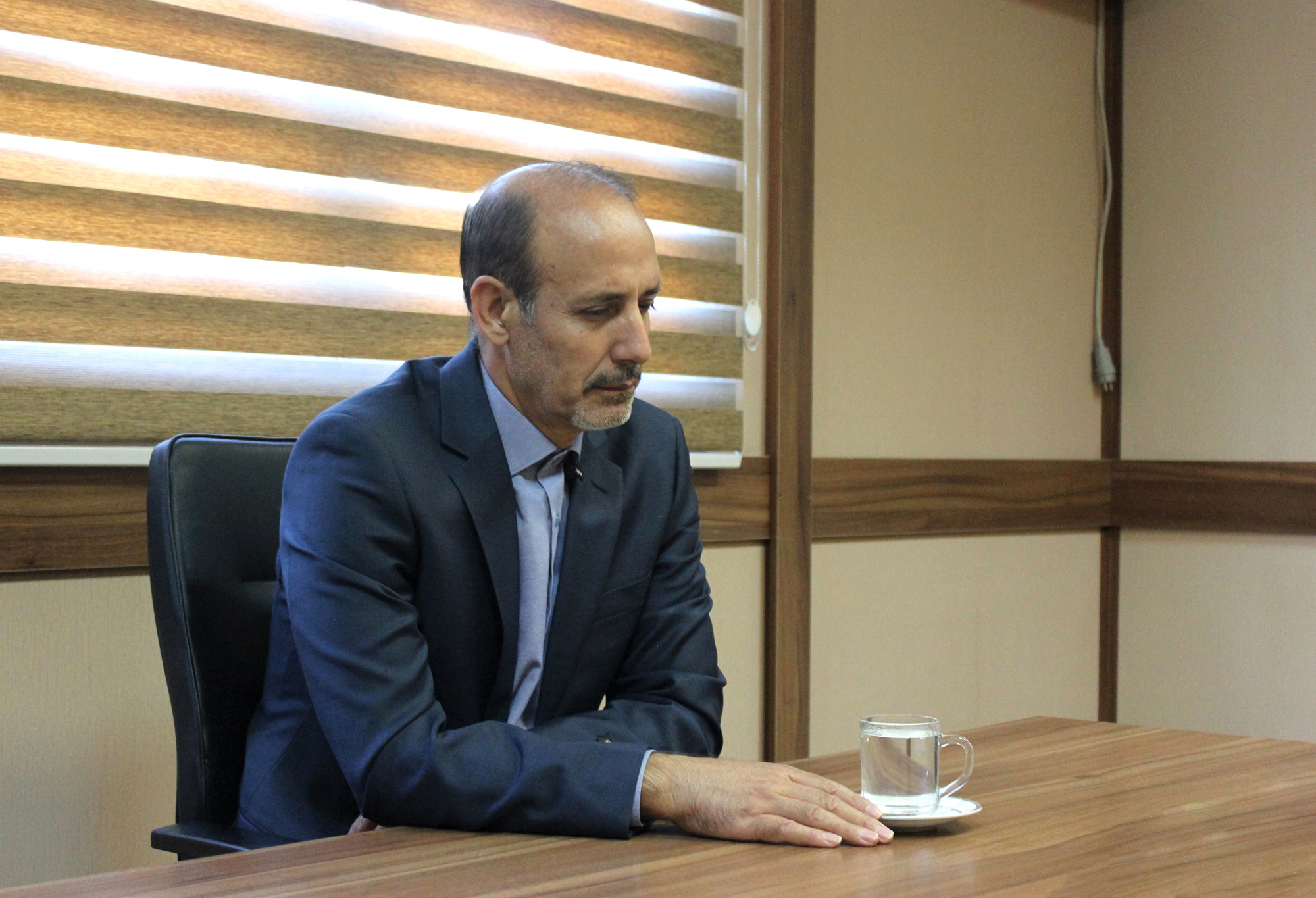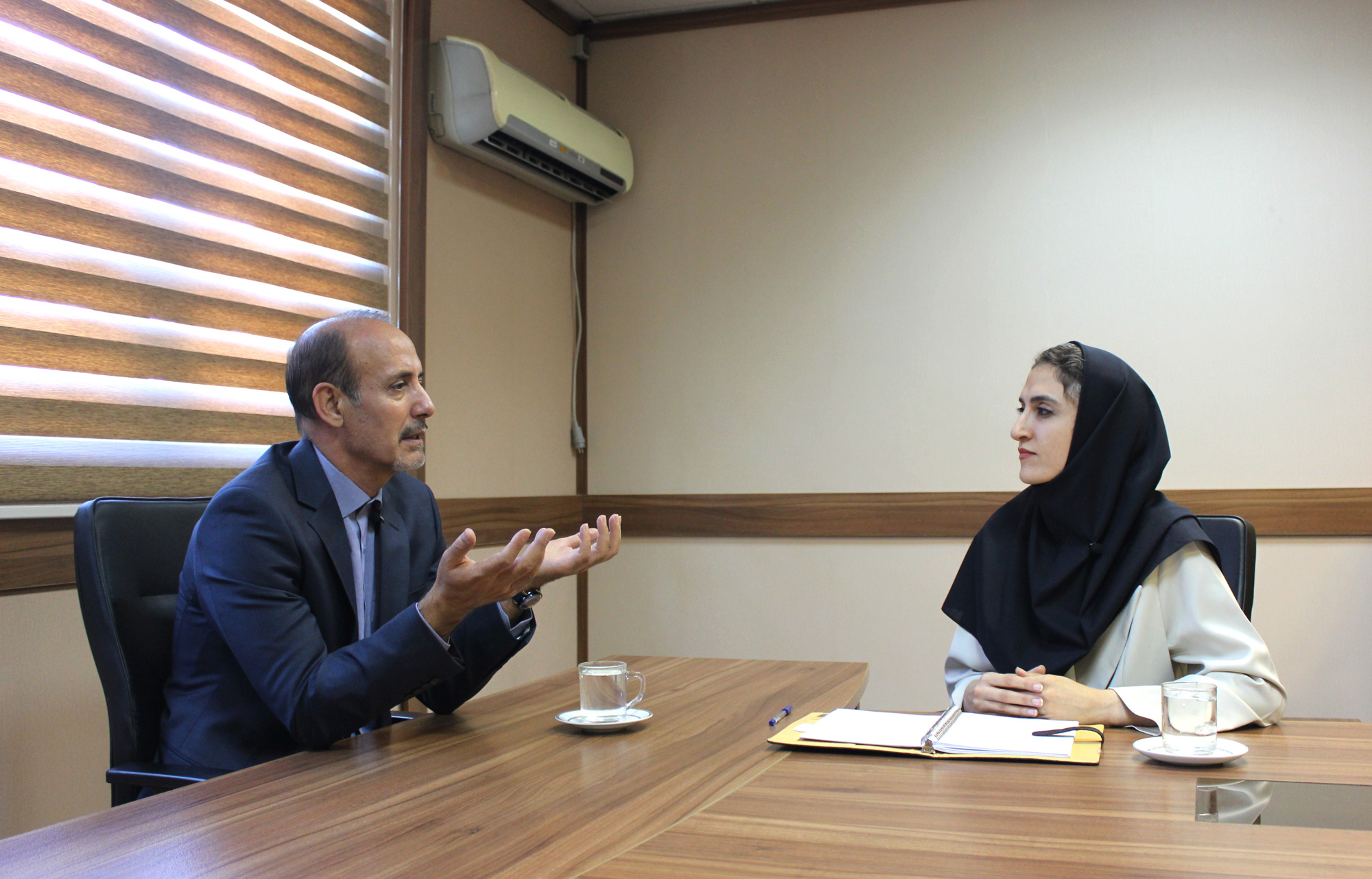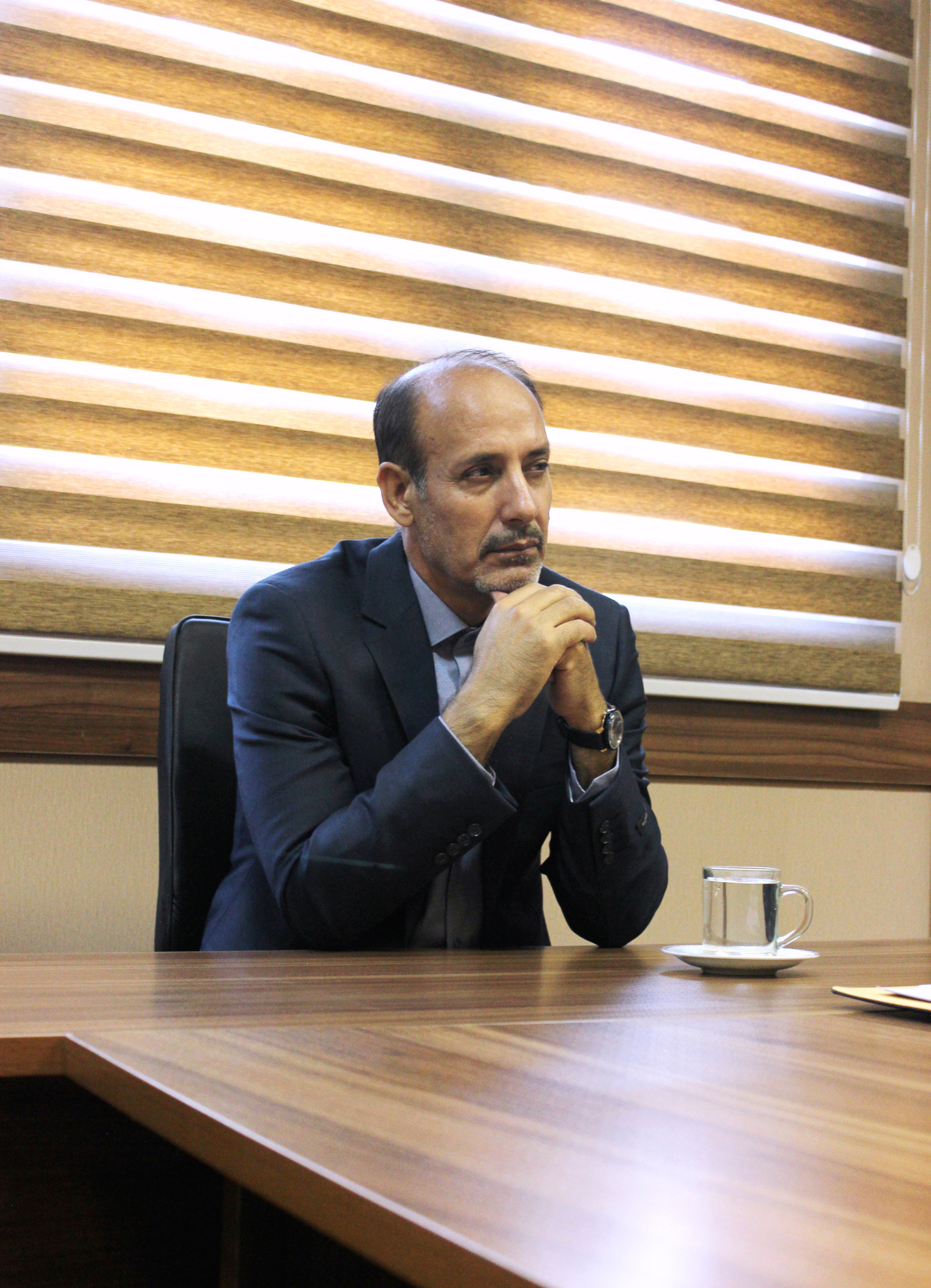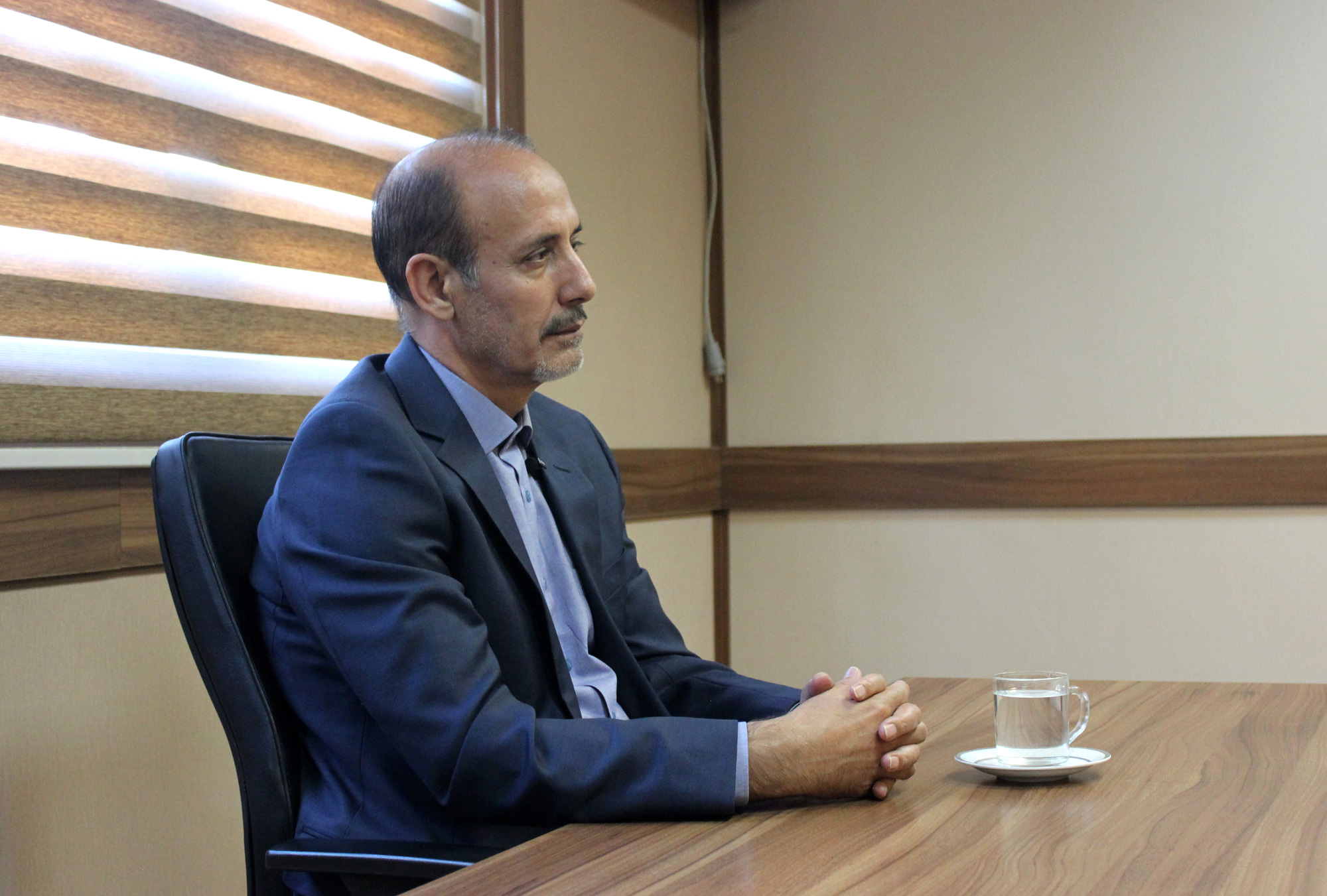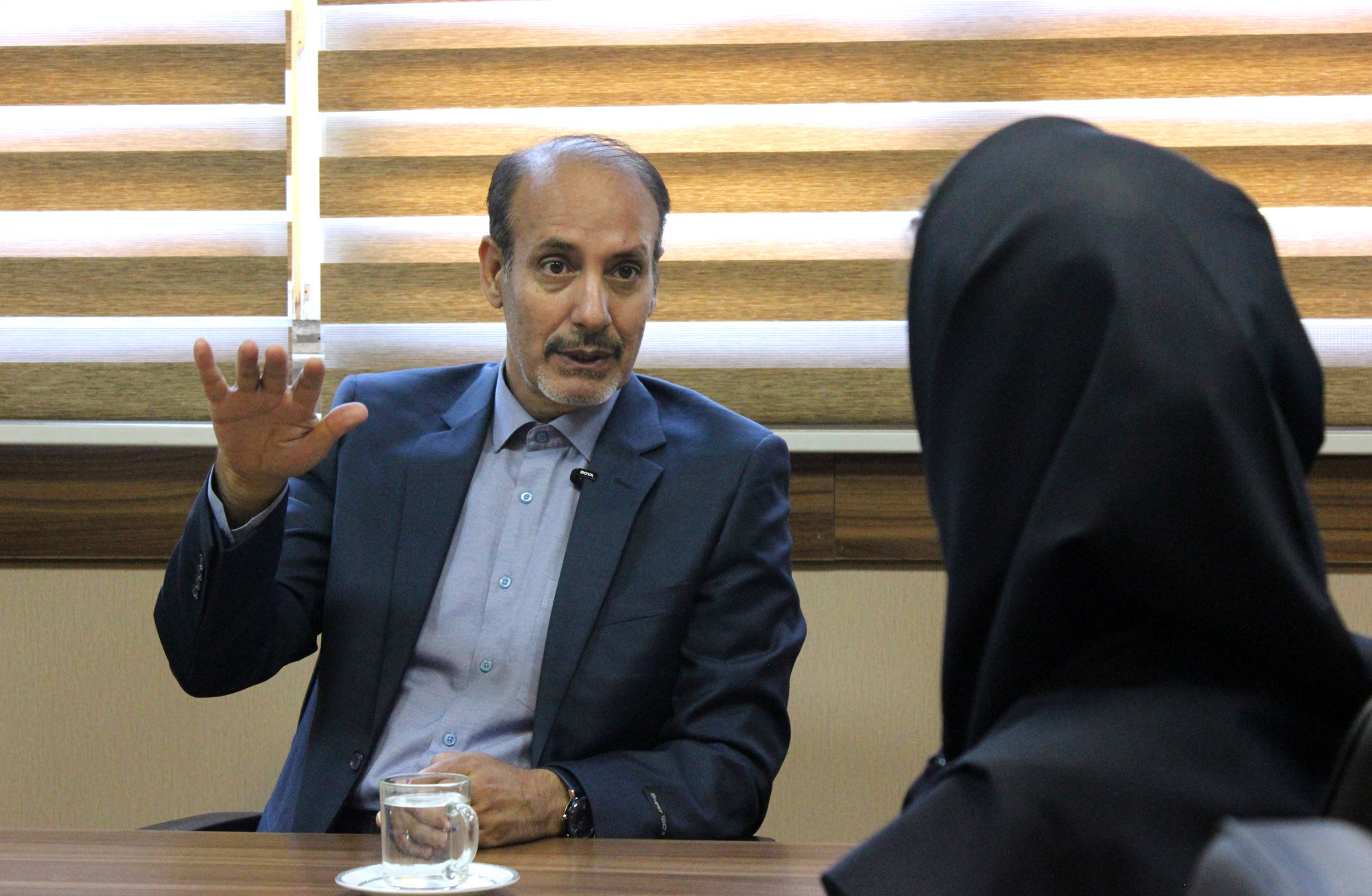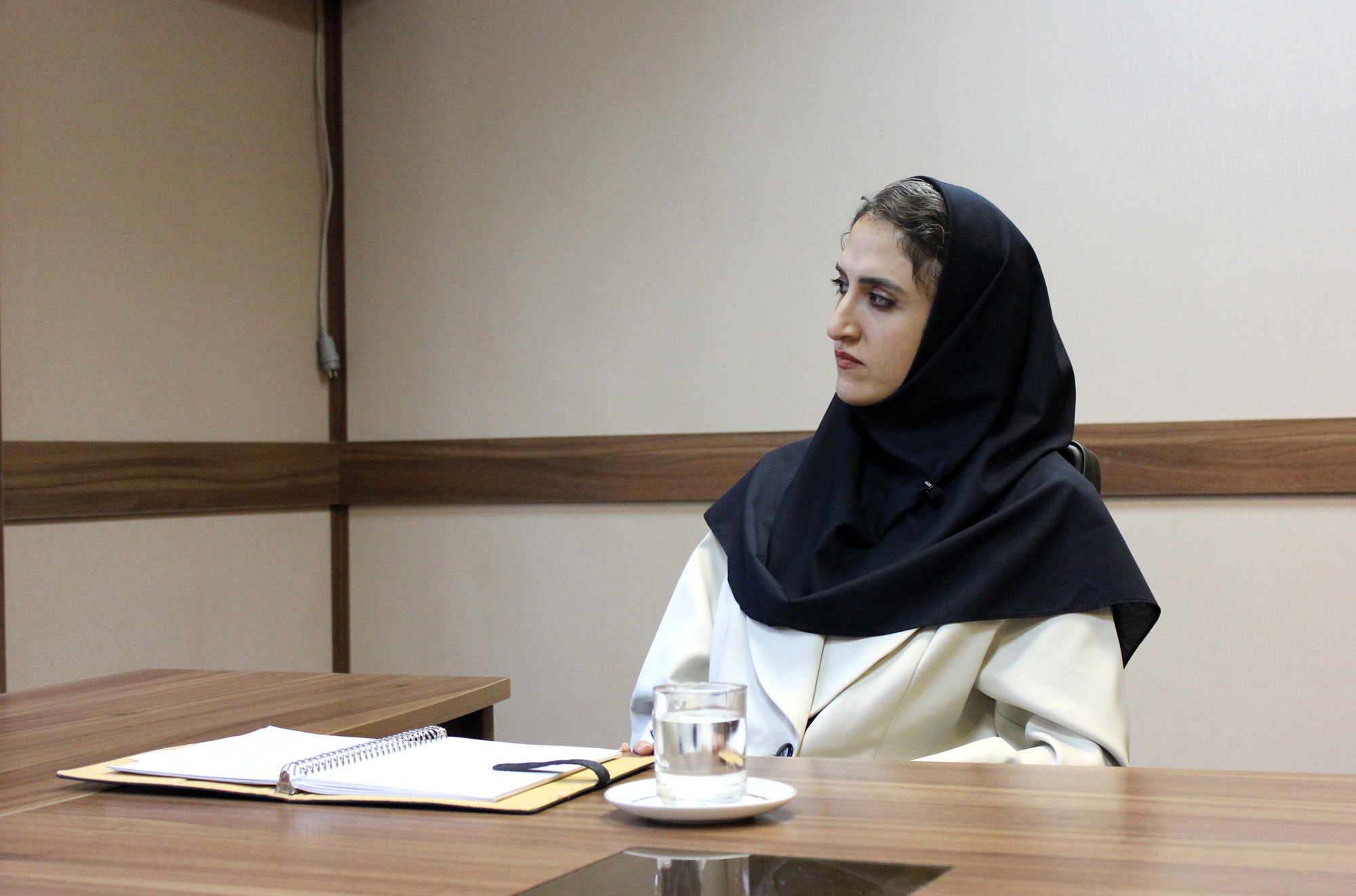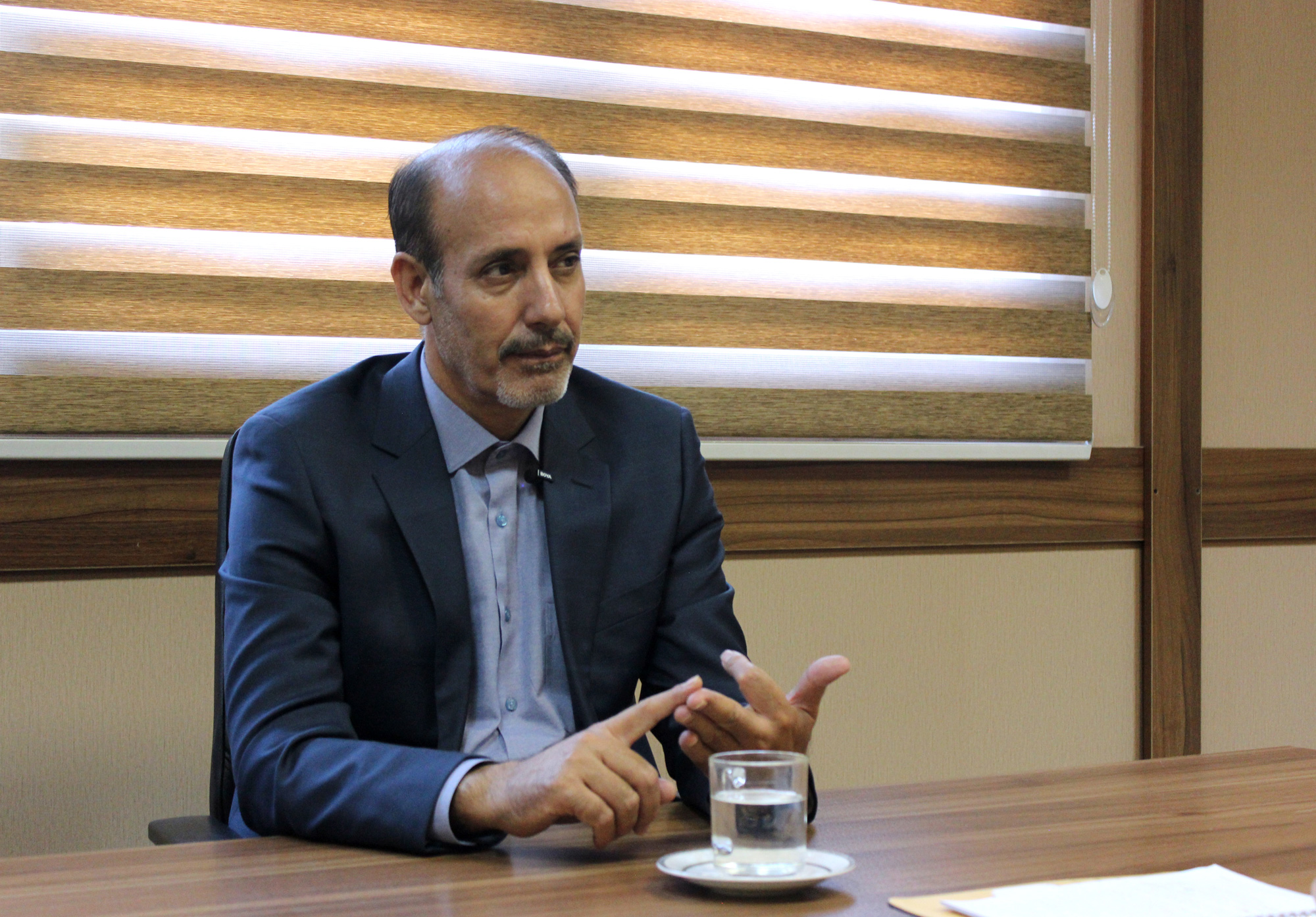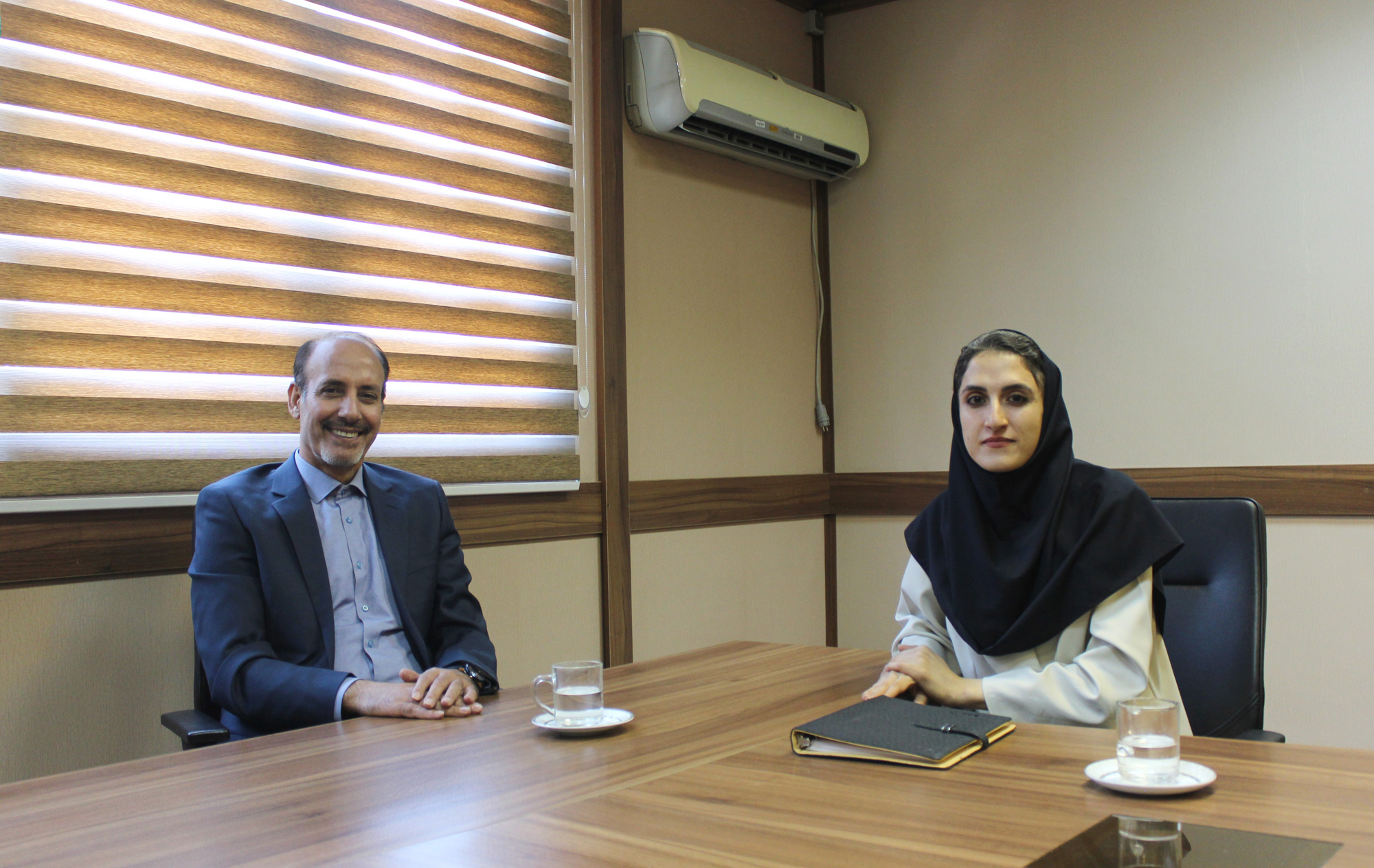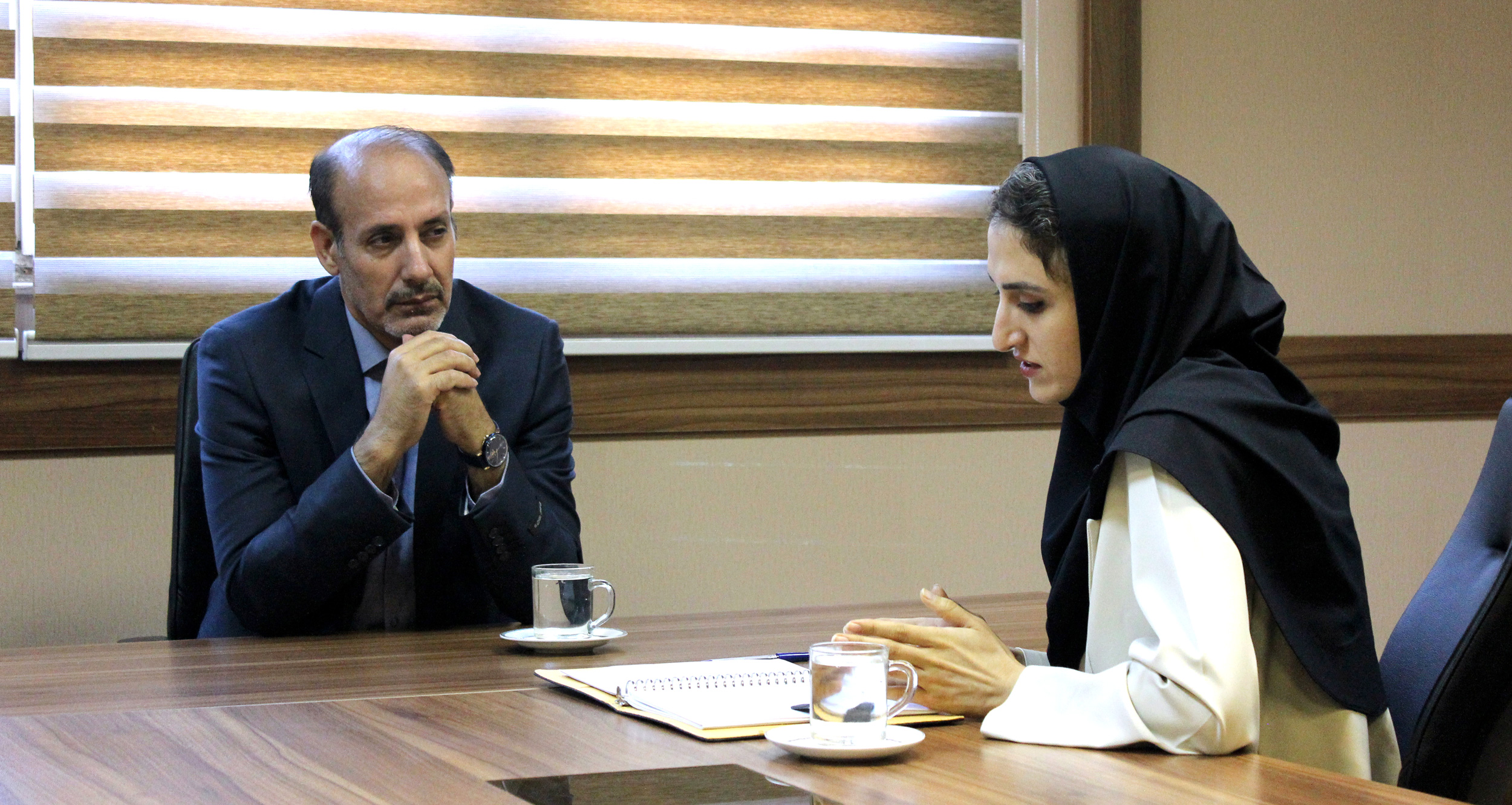
In recent months, amid intensifying geopolitical competition in the region—especially following Israel’s direct attack on military and nuclear facilities inside Iran—debates around national security, deterrence, and the effectiveness of international legal mechanisms have returned to center stage. This development signals a shift in how regional actors engage with each other’s capacities and reciprocal threats. Under such circumstances, examining the dimensions of this incident from the perspectives of strategic calculus, international law, and deterrence models has become an unavoidable necessity. In this context, specialists and analysts of international relations have sought to evaluate the current situation while exploring the causes, consequences, and future trajectory of the incident. Accordingly, in an in-depth conversation with Dr. Nozar Shafiei—Professor at the University of Tehran and former Member of Parliament—we reviewed the latest developments, drawing on historical experience, theoretical knowledge, and a concrete understanding of political practice to unpack the multilayered aspects of this event and its implications.
Interview Details
- Interviewer: Marzieh Tajmiri, PhD Student in International Relations, University of Isfahan
- Interviewee: Dr. Nozar Shafiei, Faculty Member, Faculty of Law and Political Science, University of Tehran
- Date: Tuesday, July 23, 2025
- Main Topics:
- Strategic considerations and the redefinition of the balance of power
- Legal and diplomatic challenges in responding to Israel’s attack
- The necessity of redefining deterrence in Iran’s national security strategy
Note: In order to preserve academic independence and diversity of perspectives, it should be emphasized that the opinions expressed in this interview reflect solely the personal views of the interviewee and do not necessarily imply endorsement or adoption of a position by the Human Rights Institute of the University of Isfahan.
Interview Report
- Strategic Considerations and the Redefinition of the Balance of Power
The first part of the interview centers on a diagnostic assessment of Iran’s strategic posture vis-à-vis Israel’s attack. It underscores the need to move beyond prior analytical frameworks toward a systemic, techno-geopolitical perspective—one that evaluates Iran’s regional position realistically and assigns technology and narrative power a status equivalent to hard power in shaping deterrence doctrine. In this view, Israel’s military strike against Iran’s nuclear facilities was not merely a tactical operation; it signaled a change in the mode of engagement with Iran and triggered debate about Iran’s strategic assessments of the nature and scope of environmental and international threats. According to Dr. Shafiei, the issue at stake pertains less to operational weakness or a lack of hard deterrent capacity than to strategic calculation.
A key challenge is the absence of rigorous efforts to assess, with precision, Israel’s military and technological capabilities and their disruptive potential. Israel is often portrayed within Iran as a small entity with limited strategic depth and inherent vulnerabilities—an actor presumed to avoid direct military confrontation with Tehran. While this view may have aligned with earlier decades, Israel’s advances in military and intelligence technologies have enabled it to project power beyond its geographical scale. In the recent attack, Israel employed capabilities such as autonomous and smart drones, remotely guided systems, cyber networks, and highly precise intelligence operations—demonstrating that Iran’s traditional assessment of its adversary requires fundamental revision.
A second challenge lies in overreliance on conventional assumptions regarding the behavior of allies and global competitors. Prevailing thinking in Iran’s foreign policy establishment held that the United States—given domestic constraints—would refrain from direct support for such Israeli operations, or at least exercise considerable caution. It was also assumed that Russia, due to its strategic ties with Tehran, would take a strong stance or adopt deterrent measures in response to any such attack. In practice, as Dr. Shafiei notes, the United States backed Israel while Russia remained silent. When such an attack occurs and anticipated reactions from partners like Russia or China fail to materialize, the problem extends to one’s calculations about friends. This underscores that the evolving global balance of power—especially within structures like the UN Security Council and an emerging multipolar order—does not guarantee firm support during crises unless others’ direct interests are at stake.
Dr. Shafiei also raises the question of how effective Iran’s deterrence is against Israel’s new technologies. While Iran has developed noteworthy missile capabilities and a relatively effective network of regional partners, it needs more comprehensive defensive structures against tools such as small drones, cyber warfare, and precision smart strikes. If Iran’s deterrence strategy remains anchored primarily in ballistic capabilities and regional proxies, it will face difficulties against the nonlinear patterns of contemporary warfare. From his analysis, several corrective strategies can be distilled:
- Recalibrate threat assessments of other actors’ military power; prioritize deep understanding of advanced Israeli and Western warfare and intelligence technologies; avoid purely classical or politicized analyses.
- Adjust official discourse; avoid explicit threats that are exploitable in media ecosystems; adopt a model of “strategic ambiguity” as a more effective deterrent tool.
- Rebalance foreign relations; reduce overdependence on a narrow set of partners and engage a wider range of actors—such as China, India, Latin America, and select regional states—to create a soft shield against political isolation.
- Develop layered deterrence; expand cyber-warfare capacity, air and missile defense systems, invest in military AI, and build agile structures responsive to emerging threats.
- Legal and Diplomatic Challenges in Responding to Israel’s Attack
Turning to the legal-diplomatic dimension, Dr. Shafiei highlights a critical gap in Iran’s response: insufficient use of legal avenues and international diplomacy. While public attention and official structures often focus on military response and hard deterrence, neglecting legal and diplomatic follow-up—especially in international forums—erodes Iran’s legal standing and legitimacy in the global arena.
Irrespective of operational outcomes, Israel’s strike on Iranian territory constitutes a clear violation of the prohibition on the use of force in international law. Under the UN Charter, particularly Article 2(4), the use of force in inter-state relations is prohibited except in two scenarios: self-defense (Article 51) or authorization by the UN Security Council. In this case, there was neither an ongoing armed attack by Iran against Israel nor any Security Council authorization. Legally, therefore, the incident amounts to an act of aggression. Despite the availability of legal mechanisms, Dr. Shafiei argues that Iran did not fully leverage international legal recourse. In a context where global public opinion is acutely sensitive to Middle East tensions, failure to activate these mechanisms makes it less likely that Iran’s narrative will be adequately heard. International law is a tool not only for defense but also for constructing a legitimate, persuasive account of events.
Had Iran promptly filed a formal complaint with the Security Council, requested an emergency meeting, engaged the International Atomic Energy Agency (IAEA), and signaled intent to refer aspects of the dispute to the International Court of Justice (ICJ), it could have steered the legal-media environment toward exposing the illegality of Israel’s act. Even if a Security Council resolution were thwarted by a US veto, documenting the incident, submitting complaints, opening files, and establishing a record would still be of substantial value—providing future legal and public-diplomacy leverage.
The IAEA’s role is also crucial. An attack on a nuclear facility in Iran—an NPT State Party—poses serious risks to nuclear safety and the peaceful character of nuclear activities. Dr. Shafiei stresses that Iran should urge the IAEA to issue an official position on the security of Iran’s nuclear facilities. Legally, silence from the IAEA or the Security Council in such circumstances weakens norms of non-intervention and nuclear security. Formal submissions, emergency meeting requests, and dossier creation would have strengthened Iran’s international posture.
Beyond formal lawfare, Dr. Shafiei emphasizes proactive diplomacy and media engagement. Official statements and condemnations are not sufficient; Iran’s diplomatic corps—especially its permanent missions to the UN, Europe, and Asia—should take the initiative and deploy legal and media tools intelligently to make Iran’s official narrative credible and legitimate globally. This requires structural readiness, international legal teams, a media strategy hub, and coordination with technical bodies such as the Atomic Energy Organization.
A further point is the need to establish a legal record for possible future incidents. If Iran refrains from building a legal case now, it will lack precedents later. Deterrence is not achieved by missiles alone; a major component lies in imposing legal and international costs on any aggressor. The stronger the legal, media, and diplomatic follow-up, the lower the probability of recurrence. Finally, clarifying Iran’s victim status through legal avenues also affects the legitimacy of any future defensive countermeasures; absent such groundwork, military responses risk being framed internationally as escalation.
From this section, the following proposals can be distilled:
- Immediately open a legal case against Israel at the UN Security Council and consider proceedings before the ICJ.
- Launch a global media-diplomacy campaign to legitimize Iran’s position.
- Systematically document the attack, its damage, derivative risks, and legal annexes for use in future cases.
- Institutionalize a permanent mechanism—involving the MFA, judiciary, and specialized agencies—for legal pursuit of any incursions against Iran’s national interests.
- Redefining Deterrence in Iran’s National Security Strategy
The recent military strike on Iran’s nuclear facilities raises a fundamental question for Iran’s defense policy: Does the current deterrence model still suffice to ensure national security? With a critical yet realistic lens, Dr. Shafiei argues that Iran must evolve from a predominantly military deterrence posture to a more multidimensional and proactive model. While Iran’s existing approach—centered on missile capabilities, reciprocal retaliation policies, and visible power projection—has had partial effectiveness, it does not adequately address complex, layered threats. Israel, recognizing Iran’s diplomatic and legal constraints, acted brazenly without significant fear of secondary costs—indicating that, in the adversary’s calculus, Iran’s present deterrence is not sufficiently credible.
Effective deterrence requires that an adversary conclude that attacking Iran is costly, unjustifiable, and risky. Conceptually, credible deterrence rests on three conditions: capability to respond effectively and proportionately; political will to use that capability; and the adversary’s belief in Iran’s willingness to act. Dr. Shafiei believes Iran must review all three. While Iran’s military assets—especially in missiles and drones—are notable, questions remain about how to deploy deterrent tools proportionately and intelligently in the political-diplomatic domain.
Given regional geopolitical realities, Iran should design its own hybrid, tailored deterrence model, blending multiple elements:
- Limited, clear nuclear red lines within a peaceful nuclear program, combined with strategic ambiguity to deter preemptive actions—without explicit, escalatory rhetoric.
- Enhanced conventional and asymmetric capacities: investments in offensive drones, cyber operations, electronic warfare, and multilayered defenses capable of countering advanced Israeli technologies.
- Active, smart diplomacy: easing regional tensions through dialogue with Arab neighbors to create a stable regional environment that itself strengthens deterrence.
- Engagement in emerging regional and international organizations such as BRICS and the Shanghai Cooperation Organization, to gain institutional leverage and offset gaps in legacy structures.
If Iran does not institutionalize such a multidimensional, proactive deterrence approach, it will likely face similar actions in the future, as Israel lacks sufficient disincentives absent real costs. The priority is to shift deterrence from a reactive to a shaping strategy—creating conditions in which adversaries refrain from even contemplating aggression. Dr. Shafiei also notes a cultural-political tendency within Iran’s security establishment to reduce deterrence to military power alone—a reduction that risks perpetuating a “threat–response–threat” cycle, undermining stability, psychological security, and international credibility.
Policy Recommendations
- Reassess Threats and Israeli Military Capabilities
Update Iran’s threat assessments, focusing on advanced military and intelligence tools, including drones, cyber warfare, and precision intelligence operations.
- Strengthen International Legal and Diplomatic Mechanisms
Utilize the UN Security Council, the ICJ, and the IAEA to pursue legal accountability and clarify Iran’s position under international law.
- Develop a Layered, Hybrid Deterrence Model
Go beyond missiles and proxies to include conventional and asymmetric capabilities, multilayered defenses, and proactive diplomacy tailored to complex threat environments.
- Diversify International Partnerships
Broaden engagement beyond a narrow set of allies to increase flexibility and resilience in Iran’s international positioning.
- Bolster Media Diplomacy and International Narrative-Building
Deploy targeted legal and media strategies to communicate Iran’s official narrative, document incidents, and enhance transparency and credibility.
Conclusion
Israel’s recent strike on Iranian territory is not merely a tactical or episodic security event; it exposes structural challenges in Iran’s strategic assessment, legal-diplomatic leverage, and deterrence model. Dr. Shafiei’s comprehensive analysis highlights three core imperatives. First, Iran must revise its appraisal of threats and the techno-geopolitical realities that have transformed the nature of military power and rendered traditional balance-of-power thinking insufficient. Second, Iran should strengthen international legal and diplomatic mechanisms to counter unlawful uses of force and violations of international law—while remaining realistic about the politicization and limitations of international institutions. Third, Iran needs a tailored hybrid deterrence architecture that, while preserving peaceful nuclear capabilities and conventional strength, simultaneously advances asymmetric tools, smart diplomacy, and active participation in regional and global institutions.
As Dr. Shafiei reiterates, today’s environment for Iran and the broader region is complex, fragile, and crisis-ridden—spanning socioeconomic pressures to direct security threats. Safeguarding and enhancing national power, therefore, requires intelligent crisis management, avoidance of costly escalations, and preventing strategic isolation. Harnessing scientific capacities, adopting advanced technologies, and pursuing active diplomacy can consolidate Iran’s standing regionally and internationally. Sole reliance on nuclear or conventional power is insufficient for contemporary complexities; combining these with asymmetric capabilities, advanced defensive systems, and robust multilateral relations offers a more sustainable security pathway. Success hinges on political will, pragmatic strategy, and leveraging national and international capacities. As Dr. Shafiei suggests, Iran should treat the current crises as an opportunity to recalibrate its strategies and emerge with dignity—anchoring a clearer horizon for the future. While the path is undoubtedly challenging, perseverance with prudence and sustained follow-through can help Iran cement its role as a powerful, constructive, and peace-oriented actor in global affairs.