In recent decades, human security has emerged as a central concept in international studies and human rights discourse. Unlike traditional notions of national or military security, human security encompasses the protection of life, health, livelihood, and fundamental rights of individuals. Yet, the contemporary world faces a new generation of threats that transcend conventional boundaries. The proliferation of weapons of mass destruction (WMDs)—including nuclear, chemical, and biological weapons—alongside environmental crises, advanced technologies, and cyber threats, has generated an intricate web of risks that simultaneously endanger both collective and individual security.
The complexity of these threats stems from their transboundary nature and their long-term, indirect effects on societies, economies, environments, and social structures. Meanwhile, international law continues to struggle with profound challenges in prevention, monitoring, and response. A lack of transparency, enforcement limitations, and conflicting state interests have significantly diminished the effectiveness of existing regulations. These shortcomings underscore the need for an integrated, multi-dimensional approach that combines human, legal, environmental, and technological perspectives.
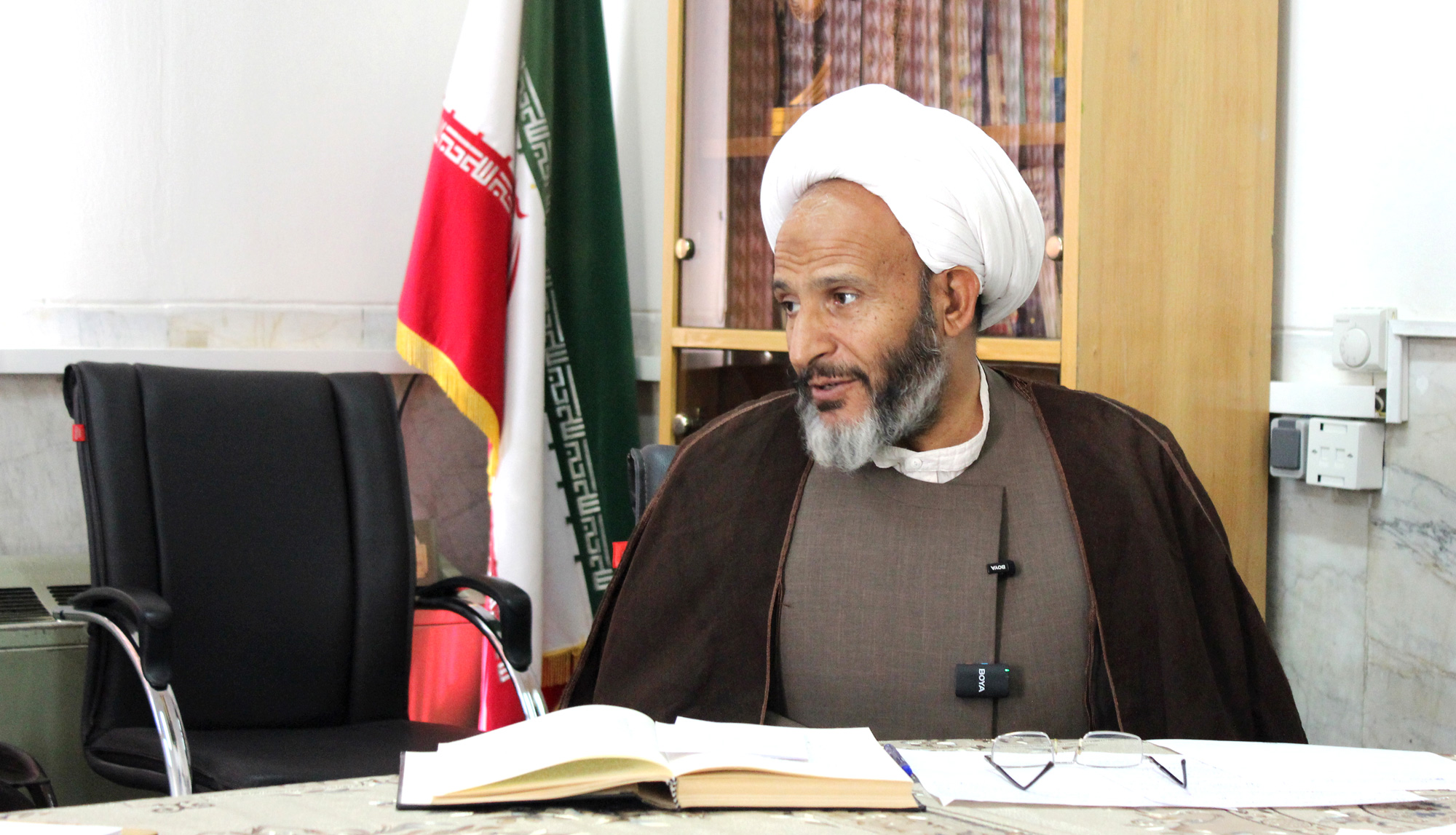
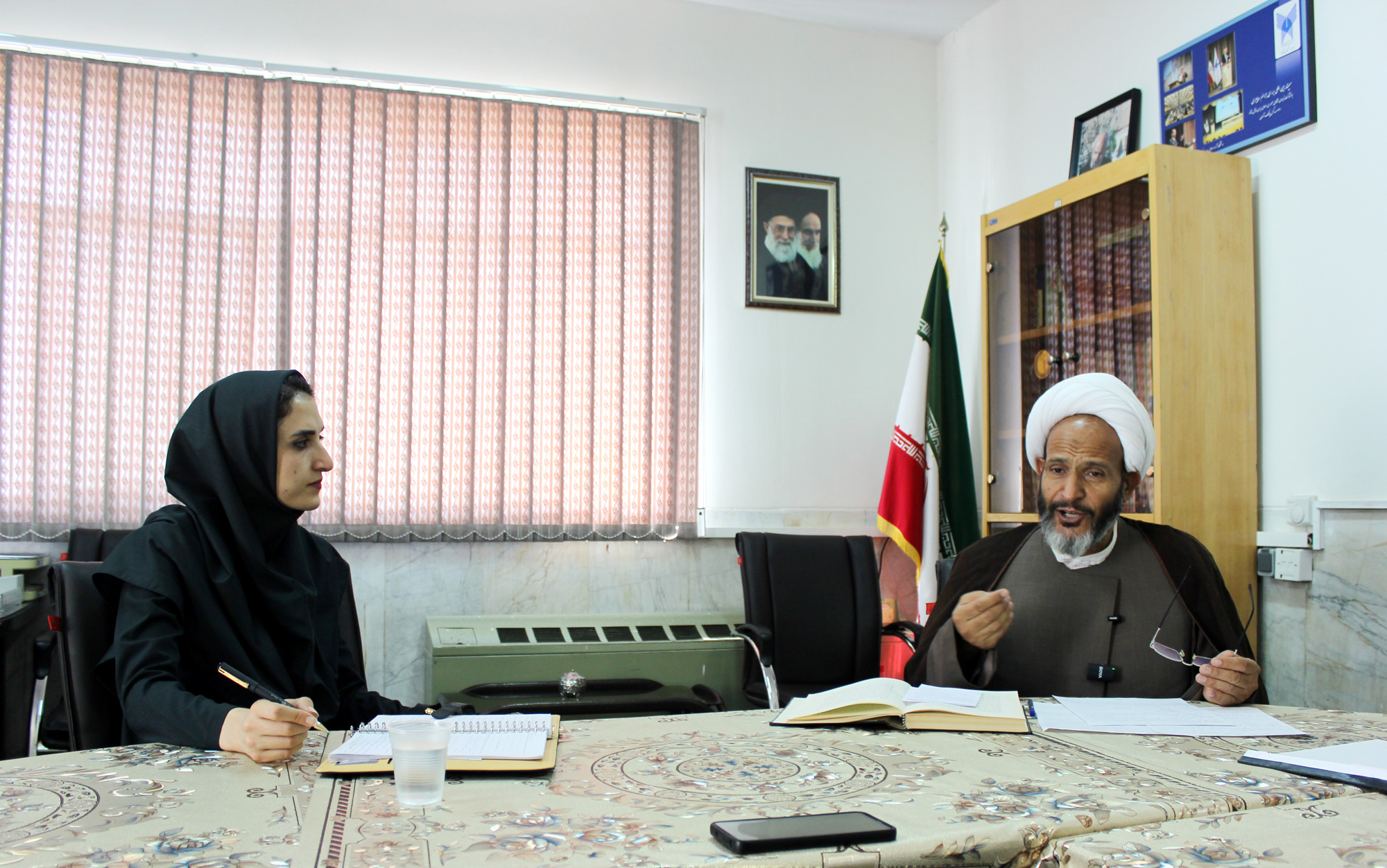
To explore these issues and identify practical legal mechanisms for mitigating the impact of WMDs, an in-depth interview was conducted with Dr. Masoud Raei, Professor of International Law. His analysis sheds light on the multidimensional implications of these threats and offers policy-oriented recommendations for scholars and decision-makers. This analytical dialogue is organized around three thematic axes:
- Multidimensional Impacts of Weapons of Mass Destruction on Human Security;
- Convergence of Emerging Threats, Technology, and the Environment with Weapons;
- Challenges of international law and justice in protecting victims.
Interview Details
- Interviewer: Marzieh Tajmiri, PhD Candidate in International Relations, University of Isfahan
- Interviewee: Dr. Masoud Raei, Professor of International Law, Islamic Azad University Najafabad Branch
- Date of Interview: Thursday, September 12, 2025
- Main Topics:
- Multidimensional Impacts of Weapons of Mass Destruction on Human Security
- Convergence of Emerging Threats, Technology, and the Environment with Weapons
- Challenges of International Law and Justice in Protecting Victims
Note: In order to preserve academic independence and diversity of perspectives, it should be emphasized that the opinions expressed in this interview reflect solely the personal views of the interviewee and do not necessarily imply endorsement or adoption of a position by the Human Rights Institute of the University of Isfahan.
Interview Report
- Multidimensional Impacts of Weapons of Mass Destruction on Human Security
Dr. Raei began by emphasizing that human security extends far beyond military considerations—it encompasses the protection of life, dignity, livelihood, and basic human rights. In this regard, weapons of mass destruction (nuclear, chemical, and biological) constitute one of the gravest and most multifaceted threats to humankind. Their effects are both immediate and long-term, direct and indirect, shaping societies, economies, and ecosystems in profound ways. From World War II to more recent crises, limited but catastrophic instances of use and testing have shown that their humanitarian and social consequences transcend geographical boundaries, posing severe challenges to collective security.
A key dimension underscored by Dr. Raei concerns the psychological and social impacts of these threats. Even the threat or testing of such weapons induces widespread anxiety, undermines social trust, and disrupts inter-communal relations. Nuclear tests or displays of military power generate pressure on civilian populations and international society, perpetuating cycles of arms competition. These pressures manifest in forced migration, the destruction of health and education infrastructure, and threats to food security—producing indirect but severe effects on daily life. Ignoring these human dimensions, he warned, leads to incomplete threat assessments and ineffective security decisions.
Another dimension involves legal and ethical challenges surrounding both the use and threat of WMDs. Any military action targeting civilian areas constitutes a violation of international humanitarian law. However, the increasing complexity of modern technologies and the lack of transparency in arms control frameworks heighten the risk of misuse and human or environmental catastrophe. The long-term effects—soil and water contamination, ecosystem degradation, and public health crises—persist across generations, reinforcing the need for preventive and sustainable measures.
Dr. Raei also drew attention to economic repercussions. Countries exposed to the threat or use of WMDs experience severe economic strain, declining investment, and infrastructure collapse. Global inequality in access to mitigation resources exacerbates social vulnerability and widens the divide between developed and developing nations. Similarly, the environmental dimension of these threats is far from negligible: pollution of air, soil, and water resources undermines food security and public health, particularly when combined with climate change and pandemics. He stressed that purely military deterrence strategies are insufficient; effective policy requires understanding the interconnections among human, economic, and environmental consequences.
Ultimately, Dr. Raei concluded that addressing WMD-related threats demands a comprehensive, interdisciplinary approach integrating legal, economic, and environmental sciences. Transparent governance, accountability, and sustained international monitoring are essential to manage and reduce risks. Only through such an inclusive framework can humanity prevent large-scale humanitarian, ecological, and economic disasters and reinforce the foundations of human security.
- Convergence of Emerging Threats, Technology, and the Environment with Weapons
At the beginning of this section, Dr. Raei emphasized that contemporary human security faces unprecedented multidimensional complexity. Emerging threats are no longer confined to conventional warfare; the boundaries between advanced technology, environmental systems, and weaponization are increasingly blurred. This convergence challenges the capacity of states and international institutions to respond effectively, highlighting the necessity of an integrated and interdisciplinary strategy. Understanding these linkages, he argued, is a prerequisite for designing effective treaties and preventive policies.
- Escalation of Destruction through Technology
Dr. Raei explained that modern technologies—such as artificial intelligence, robotics, autonomous weapons, and advanced biological systems—have dramatically amplified destructive potential. These innovations enhance speed and precision in warfare while simultaneously multiplying indirect threats, including disruptions to health, education, and economic systems. For instance, population data combined with AI algorithms can target specific groups, intensifying the humanitarian and social consequences of conflict. The absence of legal frameworks to govern the military use of such technologies, he warned, exposes both humanity and the environment to unprecedented risks. Unregulated testing and the production of autonomous weapons, without transparency and accountability standards, may result in catastrophic humanitarian and ecological outcomes.
From an economic and social standpoint, heavy investment in advanced weapons diverts resources from sustainable development and environmental protection, constraining human progress. Pressures on infrastructure, loss of essential services, and rising forced migrations exemplify the indirect toll of technological militarization. According to Dr. Raei, mitigating these impacts requires combining technological, legal, and economic expertise within a holistic approach to prevent future crises.
- Environmental Agency and the Intensification of Crises
Dr. Raei also highlighted the environmental agency of contemporary threats. The production, testing, and use of nuclear, chemical, and biological weapons generate extensive soil, air, and water contamination, affecting population health for decades. These effects worsen when coupled with climate change, poverty, and resource scarcity. Technological advancement without environmental consideration, he argued, endangers not only human security but also ecological balance and the natural resilience of societies.
He criticized the lack of coordination among international institutions, weak legal instruments, and the absence of ethical oversight, which collectively amplify vulnerability. The military use of AI or biological technology without transparent supervision may cause irreversible environmental damage. To confront these risks, he called for policy and treaty designs that integrate technology, environment, and human rights simultaneously. Dr. Raei emphasized the importance of international cooperation and preventive mechanisms, including the establishment of legal standards for the use of emerging technologies, strict control over weapon production and testing, and strong monitoring capacities. Ethical considerations—particularly in the context of autonomous and AI-based weapons—must be central to any governance framework to prevent misuse and protect global security.
Ultimately, the convergence of technology, environment, and armament calls for a redefinition of security itself—a shift from state-centered deterrence to human-centered protection. Global policymaking must prioritize environmental sustainability, responsible technological governance, and the prevention of humanitarian and economic crises through coordinated, transparent action.
- Challenges of International Law and Justice in Protecting Victims
Among the most complex aspects of human security are the limitations and inefficiencies of international law in addressing WMD-related crises. Although treaties, special tribunals, and truth commissions have attempted to define international responsibility, a significant gap remains between legal obligations and actual enforcement capacity. This gap restricts victims’ access to justice and prolongs recovery processes, leaving humanitarian commitments largely theoretical.
Dr. Raei noted that international judicial structures face deep systemic constraints. Courts such as Nuremberg and ad hoc tribunals after major conflicts established important precedents but have been hindered by political dependency and limited resources. To bridge this gap, he argued for the creation of independent, accountable institutions with genuine enforcement power. Without transparency, autonomy, and international cooperation, global legal systems cannot deliver substantive justice.
Another fundamental obstacle lies in the tension between state security logic and humanitarian law. Governments often prioritize national interests and political power over compliance with international commitments. This approach narrows the space for victim-centered justice and leads to neglect of human rights, environmental protection, and disarmament obligations. Political pressures and weak enforcement mechanisms undermine international law’s credibility, demanding renewed multilateral cooperation and institutional independence.
The issue of compensation remains critical. Many victims of wars, chemical attacks, and environmental disasters face not only physical and psychological harm but also limited access to financial or institutional support. Existing international compensation funds, though established, often operate inadequately. Dr. Raei emphasized the urgent need for sustainable mechanisms capable of delivering tangible restitution and rehabilitation.
Emerging technologies and cyber threats further complicate accountability. AI-based weapons, autonomous systems, and biological technologies challenge existing legal definitions and make attribution of responsibility difficult. The absence of regulatory frameworks deprives victims of protection and necessitates a reconceptualization of responsibility, accountability, and justice in international law.
Policy Recommendations
- Strengthen Multilateral Frameworks for Arms Control and Technological Oversight
Given the convergence of WMDs and emerging technologies, new international frameworks are essential to regulate the production, testing, and use of autonomous, biological, and AI-driven weapons. These mechanisms must include governments, scientific communities, and human rights organizations to prevent military misuse and ecological harm.
- Integrate Environmental and Human Considerations into Global Security Policies
Security and military decision-making should include mandatory environmental and humanitarian impact assessments. Establishing a “Human and Environmental Impact Evaluation” mechanism prior to any military action within international institutions can help prevent large-scale disasters and promote preventive, not reactive, governance.
- Reconstruct International Legal Mechanisms for Effective Victim Protection
The establishment of independent institutions, sustainable compensation funds, and truth commissions with binding authority can bridge the gap between legal commitments and implementation. Such mechanisms must ensure victims of chemical, biological, and nuclear incidents real access to justice and financial redress.
- Promote Scientific, Technical, and Educational Cooperation to Reduce State Vulnerability
Building global cooperation networks among universities, research centers, and international bodies for crisis management, safe technology exchange, and public education is vital. Such collaboration strengthens resilience, raises awareness of humanitarian and environmental impacts of WMDs, and enhances collective preparedness.
Conclusion
This interview demonstrates that human security in the contemporary era faces complex, multilayered, and transnational threats. The spread of WMDs, convergence of technological and environmental crises, and the rapid evolution of warfare have collectively redefined the nature of insecurity. A purely military or deterrence-based paradigm cannot meet the social and humanitarian needs of modern societies; instead, a comprehensive approach—encompassing human, legal, environmental, and technological dimensions—is indispensable.
Strengthening international institutions, updating treaties, and designing effective monitoring mechanisms are essential priorities. Transparency in the production and storage of weapons, accountability of states and institutions, and practical support for victims can help narrow the gap between international law and ground realities. Long-term effectiveness requires sustained multilateral cooperation among governments, international organizations, and civil society.
From Dr. Raei’s perspective, integrating law, ethics, and global policy is the key to enhancing human security and managing emerging threats. Justice, reparations, and victim protection must stand at the center of this framework. Ultimately, realizing human security demands a coordinated, holistic, and problem-oriented vision—one that simultaneously addresses WMDs, technological risks, and the deficiencies of international law. Such an approach lays the foundation for prevention, accountability, and social reconstruction, offering a coherent model for managing the complex threats of the modern world.