The contemporary world is undergoing a historical transition in which not only geopolitical borders but also the conceptual foundations of the international order are being redefined. On the one hand, traditional Western powers are facing the erosion of authority and legitimacy; on the other, actors such as China, Russia, India, and even regional players in the Middle East and Latin America are renegotiating their positions in global affairs. The persistence of overlapping crises—from the war in Ukraine and developments in West Asia to technological competition, economic sanctions, and energy shocks—suggests that the international system no longer enjoys its former relative stability and stands on the verge of new patterns of power and resistance.
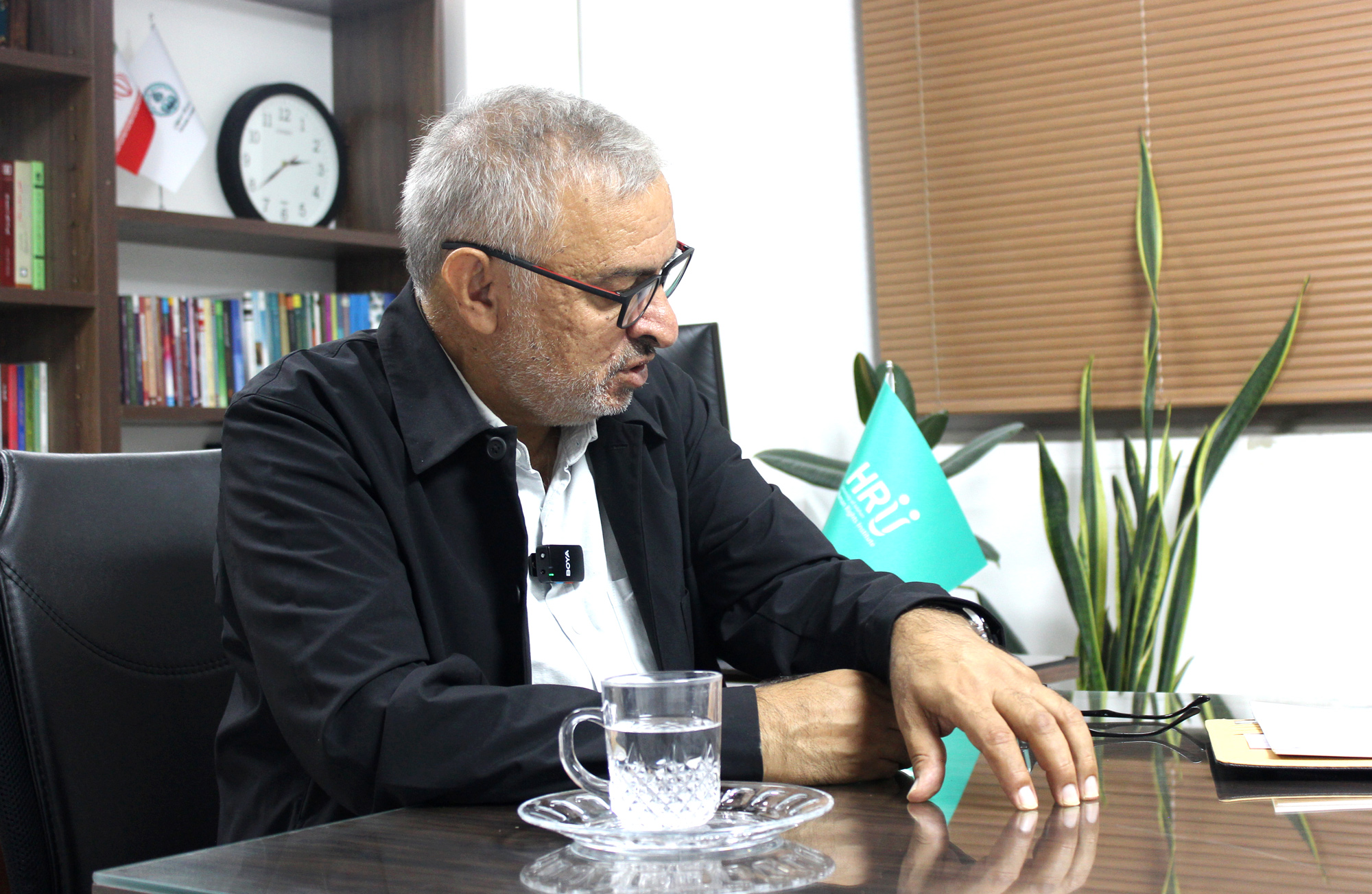
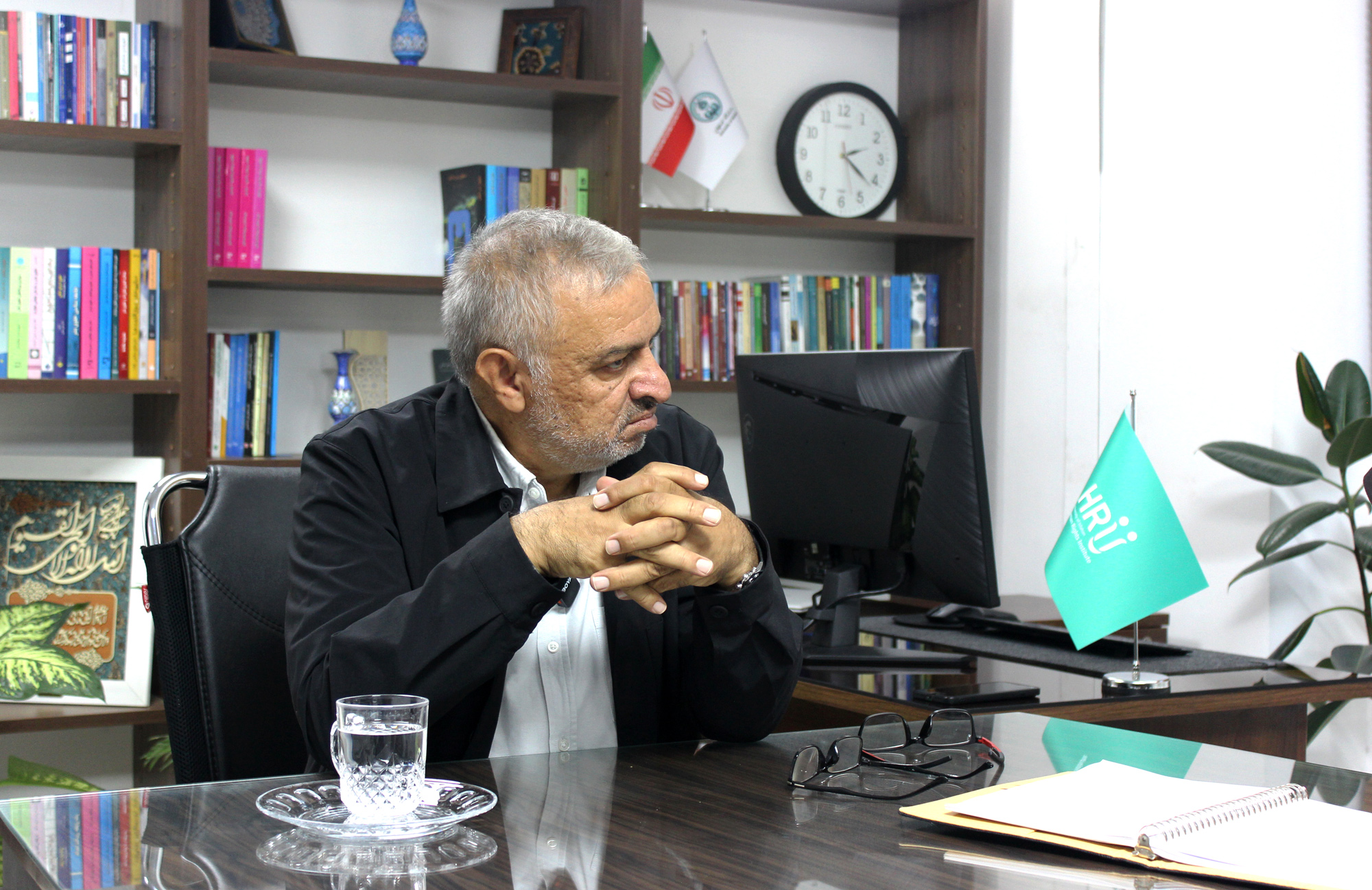
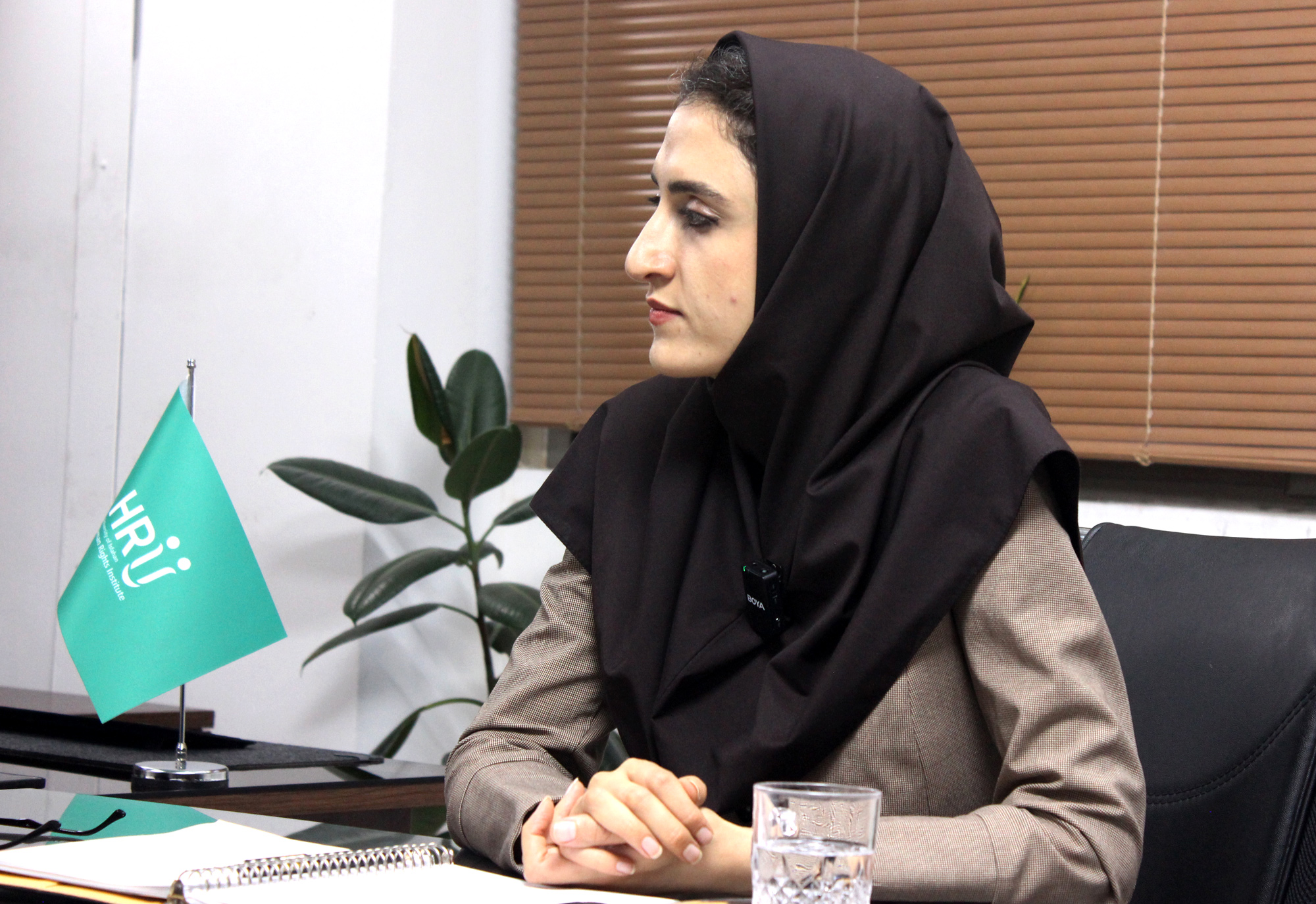
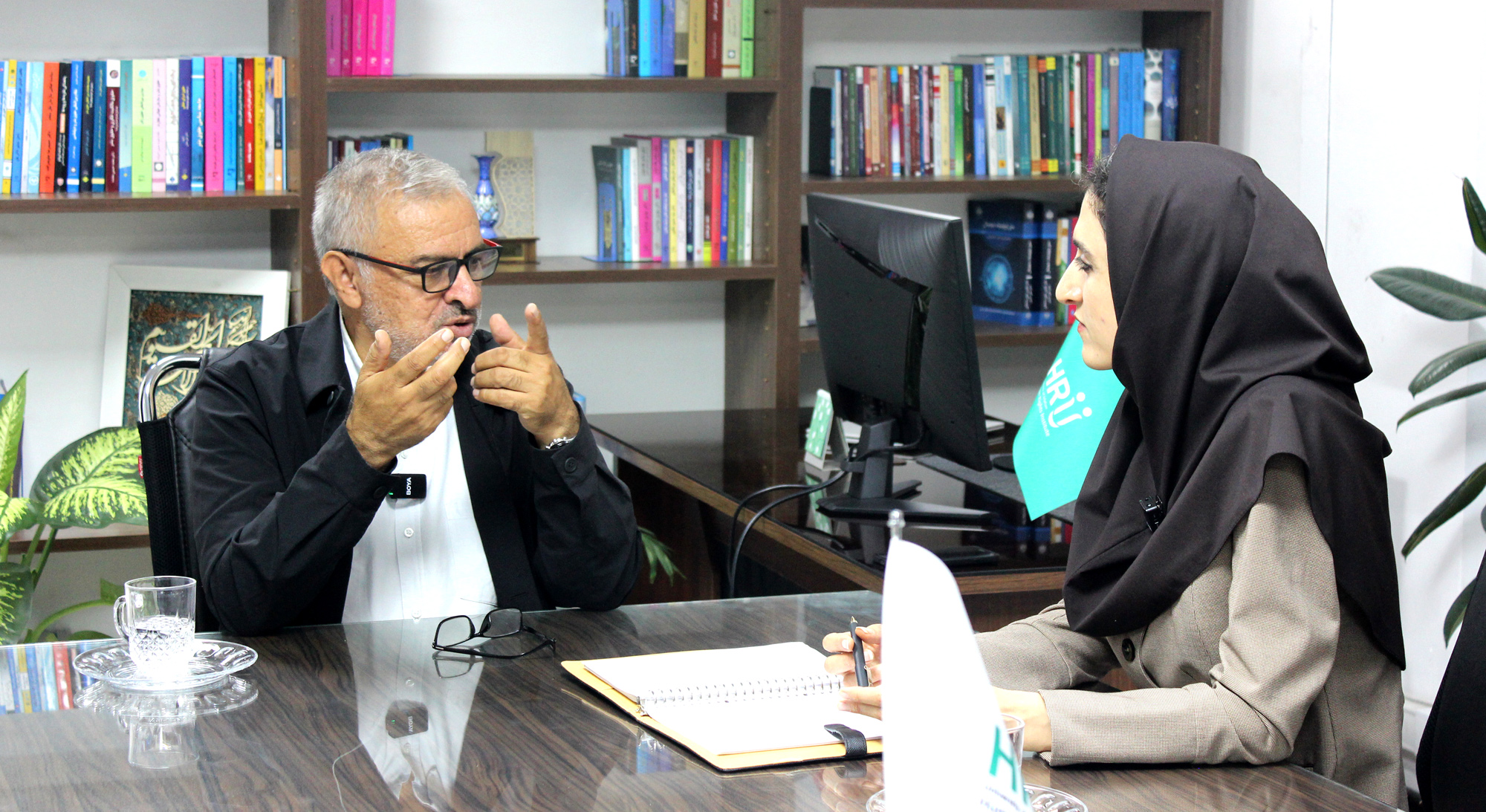
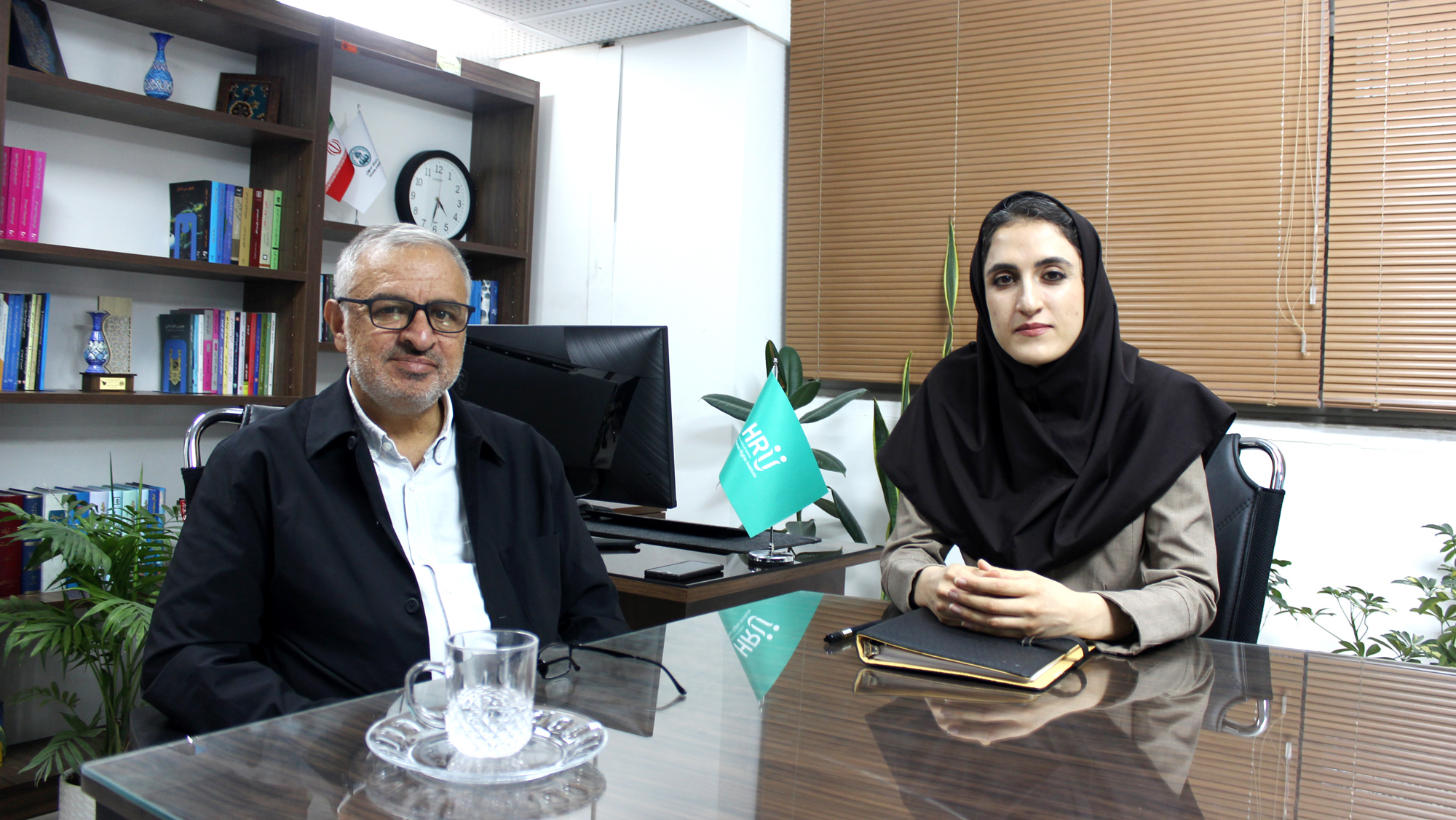
Against this backdrop, a central question arises: Where are the world’s political and security structures heading, and what features will define the future global order? To unpack these transformations—both geopolitically and legally—we conducted an in-depth interview with Dr. Enayatollah Yazdani, Professor of International Relations and Middle East Studies. This analytical conversation explores emerging pathways of power, conflict, and cooperation in the international system across three core axes: (1) foundational and historical drivers of crisis in West Asia; (2) regional power dynamics and agency in a multipolar era; and (3) recent developments and the uncertain future of security and deterrence.
Interview Details
- Interviewer: Marzieh Tajmiri, PhD Student in International Relations, University of Isfahan
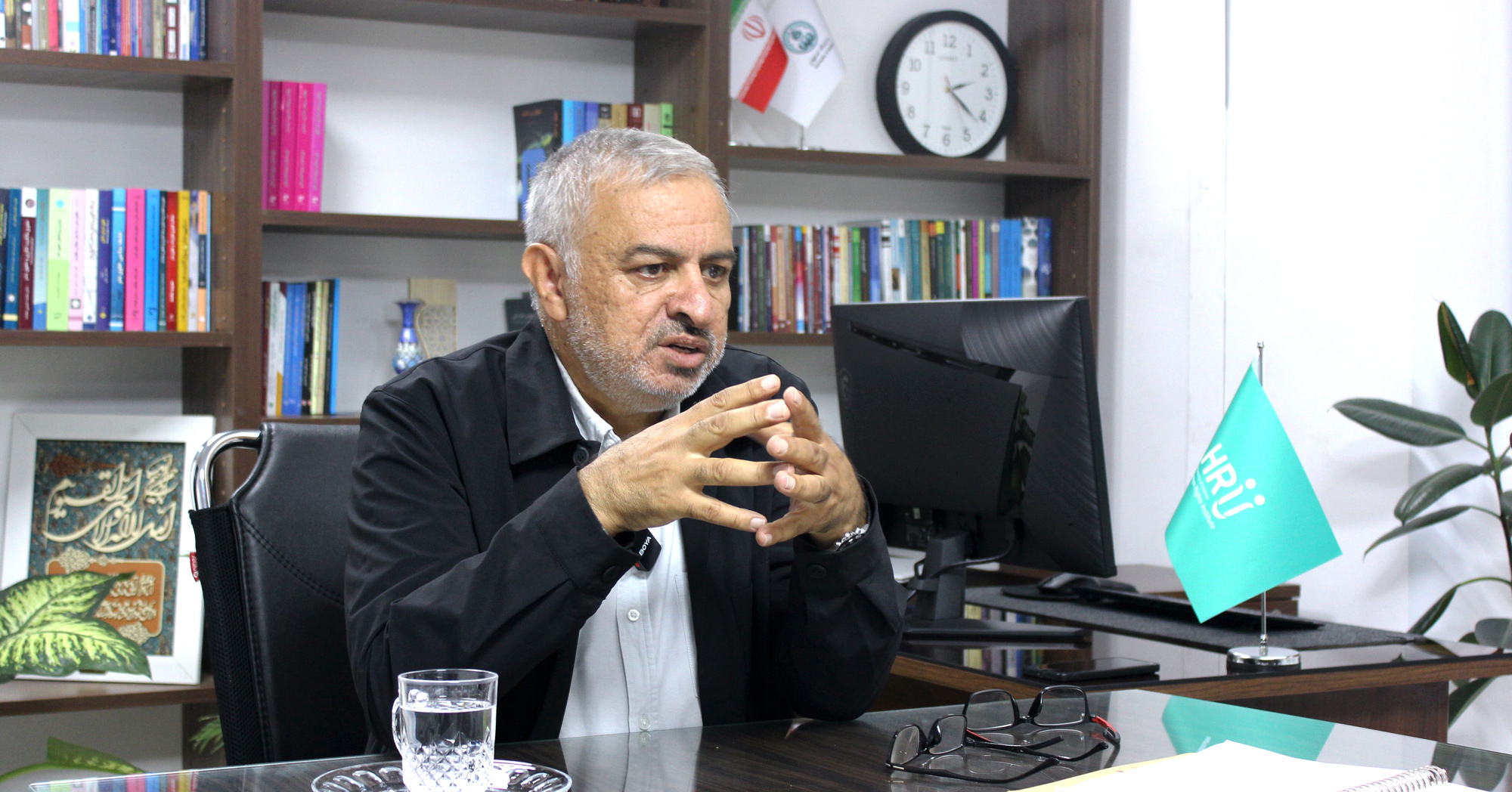
- Interviewee: Dr. Enayatollah Yazdani, Professor of International Relations and Middle East Studies, Sun Yat-sen University (China)
- Date: Saturday, August 30, 2025
- Main Topics:
- Foundational and historical drivers of crisis in West Asia
- Regional power dynamics and agency in a multipolar era
- Recent developments and the uncertain future of security and deterrence
Note: In order to preserve academic independence and diversity of perspectives, it should be emphasized that the opinions expressed in this interview reflect solely the personal views of the interviewee and do not necessarily imply endorsement or adoption of a position by the Human Rights Institute of the University of Isfahan.
Interview Report
- Foundational and Historical Drivers of Crisis in West Asia
West Asia—particularly within the geopolitical expanse of the Middle East—has long been a nexus of great-power rivalries, its history interwoven with chronic instability, wars, and external interventions. Any root-cause analysis must integrate both historical drivers and structural conditions whose interaction amplifies the complexity and intensity of conflicts. Dr. Yazdani argues that the interplay of geopolitics, sectarian and ethnic tensions, the presence of Israel, and vast energy resources has created a structural framework for enduring crises. These elements have fueled internal frictions and constrained efforts to establish collective security.
A primary driver is the region’s strategic geography. Functioning as a bridge among Asia, Europe, and Africa, the area’s trade and energy corridors have persistently attracted extra-regional powers. From early colonial pursuits to contemporary initiatives—such as China’s Belt and Road, the U.S. maritime-rail corridor concepts, and the Russia-India International North–South Transport Corridor—major powers have sought to shape or control strategic routes. This competition, Dr. Yazdani notes, has not only affected regional economies but also strengthened political-security conditions that enable instability. Strategically, the region’s location makes it a stage for geopolitical contests, prompting both local states and external actors to pursue direct or indirect interventions to secure influence.
A second driver involves sectarian cleavages and their political instrumentalization. The emergence and evolution of Sunni–Shia communities gradually produced complex intra-religious and ethno-sectarian divides. According to Dr. Yazdani, these fault lines have been leveraged by outside powers and local governments as tools of influence. Contemporary examples—such as the rise of ISIS and other Salafi-jihadist groups—reflect how sectarian differences can be exploited for geopolitical ends. Beyond fueling proxy conflicts, such cleavages complicate states’ security architectures and narrow the prospects for durable settlements.
The establishment of the State of Israel and the discovery of oil added further depth to the region’s crises. Citing the Balfour Declaration (1917) and subsequent developments, Dr. Yazdani identifies the creation of a settler state at the region’s core as a foundational source of recurrent conflict. Simultaneously, oil’s strategic value transformed regional states into targets of external intervention and instruments within global policy debates. The 1973 oil shock exemplifies the direct impact of energy resources on international politics and regional rivalries. In his view, these two factors—alongside sectarian divides and geopolitics—have entrenched a self-reinforcing cycle of instability that has touched nearly every state in the region.
Other historical vectors also matter: the colonial era’s artificial borders that inflamed territorial and ethnic disputes; the fact that current boundaries often reflect external interests rather than social-cultural realities; and the combined effects of resource competition, top-down modernization, incomplete economic reforms, and nationalist currents, which at times placed states at odds with civil society. Together, these factors have rendered the region’s security architecture brittle and highly sensitive.
Finally, Dr. Yazdani underscores the role of the international system in intensifying crises. Major-power interventions in wars and domestic politics—ranging from military support to sanctions—have seldom resolved conflicts and often increased their complexity. In this environment, attempts to forge collective security or regional pacts face structural constraints, with outcomes typically limited and short-lived.
- Regional Power Dynamics and Agency in a Multipolar Era
The collapse of the Soviet Union in 1991 marked a turning point in shaping new power dynamics across West Asia. As the world gradually moved toward a more multipolar configuration, both regional and extra-regional actors discovered expanded opportunities for influence, rendering the regional landscape more complex. Dr. Yazdani explains that this shift produced opposing axes of power and moved regional interactions beyond traditional identity and geography toward strategic calculations—featuring fluid alignments and long-horizon economic and military projects.
One clear manifestation has been the emergence of two broad axes. The first, commonly framed as the “Axis of Resistance,” is led by the Islamic Republic of Iran and encompasses groups such as Hezbollah in Lebanon, Popular Mobilization forces in Iraq, and Ansar Allah in Yemen. Dr. Yazdani characterizes Iran’s approach as strategic and preemptive, managing threats at a distance by engaging actively in conflict zones. Referencing Iran’s intervention in Syria, he notes that Tehran has used proxy strategies and partner empowerment to help preserve a degree of balance and mitigate direct vulnerability.
The second axis comprises Israel, the United States, and some Arab states—including Saudi Arabia—often described as an “Abrahamic–Arab–Western” coalition or, more neutrally, a U.S.–Israel–Arab alignment. Dr. Yazdani points to instances of dual-track behavior among some of these actors—publicly signaling sympathy toward Iran at moments of crisis while providing logistical or military support to Israel. Such ambivalence reflects ongoing intra-regional competition and complex interactions with other major players. He stresses that these dual structures exceed narrow national interests and reflect efforts to shape regional balances and protect strategic advantages.
Key regional states play decisive roles within these equations. Saudi Arabia, wielding substantial economic and military influence, pursues a dual-track policy: maintaining close ties with the United States and the West while simultaneously deepening strategic arrangements with China. Turkey exhibits multi-vector, sometimes contradictory behavior—for example, sustaining relations with Israel while adopting critical positions on issues such as Syria—illustrating flexible, multi-directional statecraft. Under pressure from U.S. sanctions, Iran has emphasized ties with Asian powers, Russia, and China; yet Dr. Yazdani cautions that while tactically beneficial thus far, these relationships have not fully matured into comprehensive strategic partnerships and require reassessment and deepening.
Another dimension involves the arms race and growing interest in nuclear-linked deterrence among regional actors. Perceived threats and chronic mistrust have driven states to expand military capabilities and pursue advanced deterrent technologies. With Israel commonly assessed to possess an undeclared nuclear arsenal (variously estimated in open sources), other states—such as Saudi Arabia and Turkey—are also exploring pathways to enhanced deterrence capacities. This arms buildup fosters a vicious cycle of threat and counter-threat that heightens tensions and complicates regional security.
Dr. Yazdani further highlights the impact of non-state actors and informal armed networks. Militia groups, terrorist organizations, and proxy forces influence balances of power and can accelerate arms dynamics or intensify regional rivalries. Their interaction with states and the principal axes yields a dynamic, often unpredictable structure that requires granular understanding of the region’s history, politics, and economics.
In sum, Dr. Yazdani concludes that the post-unipolar evolution has produced contradictory, layered power structures in West Asia. The Resistance axis and the U.S.–Israel–Arab alignment, multi-layered inter-state relations, and external pressures have created an admixture of competition, cooperation, and conflict that complicates forecasting. This analysis sets the stage for examining deterrence, armaments, and collective security, underscoring that the region faces persistent security challenges not only due to geography but also because of the intricate interplay of regional and extra-regional actors.
- Recent Developments and the Uncertain Future of Security and Deterrence
Assessing the current situation, Dr. Yazdani contends that recent events reveal a transformation in the nature of security and deterrence across the region. He cites the most recent 12-day war as emblematic of foundational changes in how regional and extra-regional actors interact. Deterrence, he argues, no longer functions merely to preserve the status quo or peace; it has become a tool for preemptive operations and the overt signaling of capabilities. The conflict demonstrated the fragility of deterrence equilibria and suggested that future confrontations will combine classical warfare with cyber operations, information warfare, psychological pressure, and economic coercion. According to Dr. Yazdani, regional actors adhere less to traditional deterrence rules and continuously search for opportunities to expand influence and power.
A further concern is the increasing weakness and inefficacy of international institutions in managing regional crises. Describing the international system as “anarchic,” Dr. Yazdani argues that bodies such as the UN Security Council and international legal mechanisms have lost practical capacity to enforce norms or prevent egregious violations. He points to the 12-day conflict, where strikes on medical facilities and sensitive sites such as prisons coincided with muted or minimal Security Council responses—evidence of a missing mechanism to prevent or contain crises. This institutional gap, he suggests, has pushed states away from reliance on rules and toward self-help strategies focused on strengthening individual defensive capabilities.
These dynamics, he continues, are driving a complex arms race. States are simultaneously developing conventional forces and pursuing nuclear, missile, and cyber capabilities. This trend, Dr. Yazdani warns, creates a self-reinforcing loop of threat and response that impedes peace and sets the stage for future conflicts of greater intensity and scope. He references ongoing competitions among Iran, Saudi Arabia, Turkey, and Israel, each seeking to consolidate its position through enhanced deterrence.
Non-state actors and proxies further complicate the landscape. Militia groups, locally armed organizations, and foreign-backed forces contribute to security volatility; their interactions with principal states generate unpredictable—and at times explosive—conditions. This phenomenon, Dr. Yazdani notes, significantly constrains the feasibility of collective security or long-term strategic accords.
The nature of threats has also shifted. Threats are no longer strictly military; they include economic pressure, information penetration, cyberattacks, and psychological operations. This evolution compels regional actors to revise strategies and expand both classical and novel defensive capacities in parallel. In this environment, “hybrid deterrence”—combining nuclear, missile, cyber, and economic components—emerges as the only credible means of preserving a relative balance of power.
Ultimately, Dr. Yazdani finds the outlook for security and deterrence in West Asia highly ambiguous. Continuing conflicts, institutional weakness, the complexity of regional–extra-regional interactions, and an escalating arms race indicate that the region stands at the threshold of persistent instability. In such conditions, expectations for durable peace are limited, and states will likely prioritize rebuilding and strengthening defense and deterrent capacities. Improvement, he concludes, will be a protracted process, contingent upon changes in regional structures and a redefinition of international actors’ roles.
Policy Recommendations
- Strengthen Regional Diplomacy and Collective-Security Dialogues
West Asian states should establish regionally owned dialogue frameworks—independent of extra-regional powers—to foster confidence-building and security cooperation. A “Middle East Collective Security Mechanism” could reduce proxy conflicts and create pathways for peaceful dispute settlement.
- Diversify Economies and Reduce Oil Dependence
Given energy’s role in political instability, states should invest in renewable energy and knowledge-based economies to move beyond rentier models. Greater interdependence can increase incentives for peace and stability.
- Curb the Arms Race and Establish a Regional Non-Proliferation Regime
Launch initiatives for military transparency and arms control at the regional level. A “Middle East WMD Non-Proliferation Framework” could help prevent escalation and substitute cooperative arrangements for purely deterrence-driven postures.
- Reinforce Governance Institutions and Resilience to Hybrid Threats
Governments should build capacity to counter cyber, economic, and information threats. Governance reforms, enhanced transparency, and social participation can strengthen national resilience and prevent crises from escalating into broader conflicts.
Conclusion
Dr. Yazdani’s analysis offers a multilayered, historically grounded portrait of West Asia’s security crisis, where enduring structural drivers intersect with new power dynamics and the diminishing efficacy of international institutions. The region’s strategic geography, deep sectarian cleavages, the presence of Israel, and vast oil wealth have long enabled cycles of crisis and regional–extra-regional competition. In today’s context, this foundation is further complicated by opposing axes (the Resistance alignment and the U.S.–Israel–Arab configuration) and an intensifying arms race trending toward nuclear-linked deterrence. At the same time, the shortcomings of international institutions are nudging states toward self-help and individualized defense enhancement.
The cumulative result is a persistent threat–response cycle, the growth of hybrid forms of conflict, and the difficulty of achieving collective security and durable peace. In Dr. Yazdani’s view, Asia (and West Asia in particular) is entering a period of sustained instability in which the logic of power risks eclipsing the logic of dialogue and diplomacy. Only by redefining the roles of regional and extra-regional actors and reforming international institutional structures can the region realistically move toward stability and de-escalation. The road ahead is complex and long, demanding realistic, multidimensional strategies that integrate security, economic, diplomatic, and governance reforms.