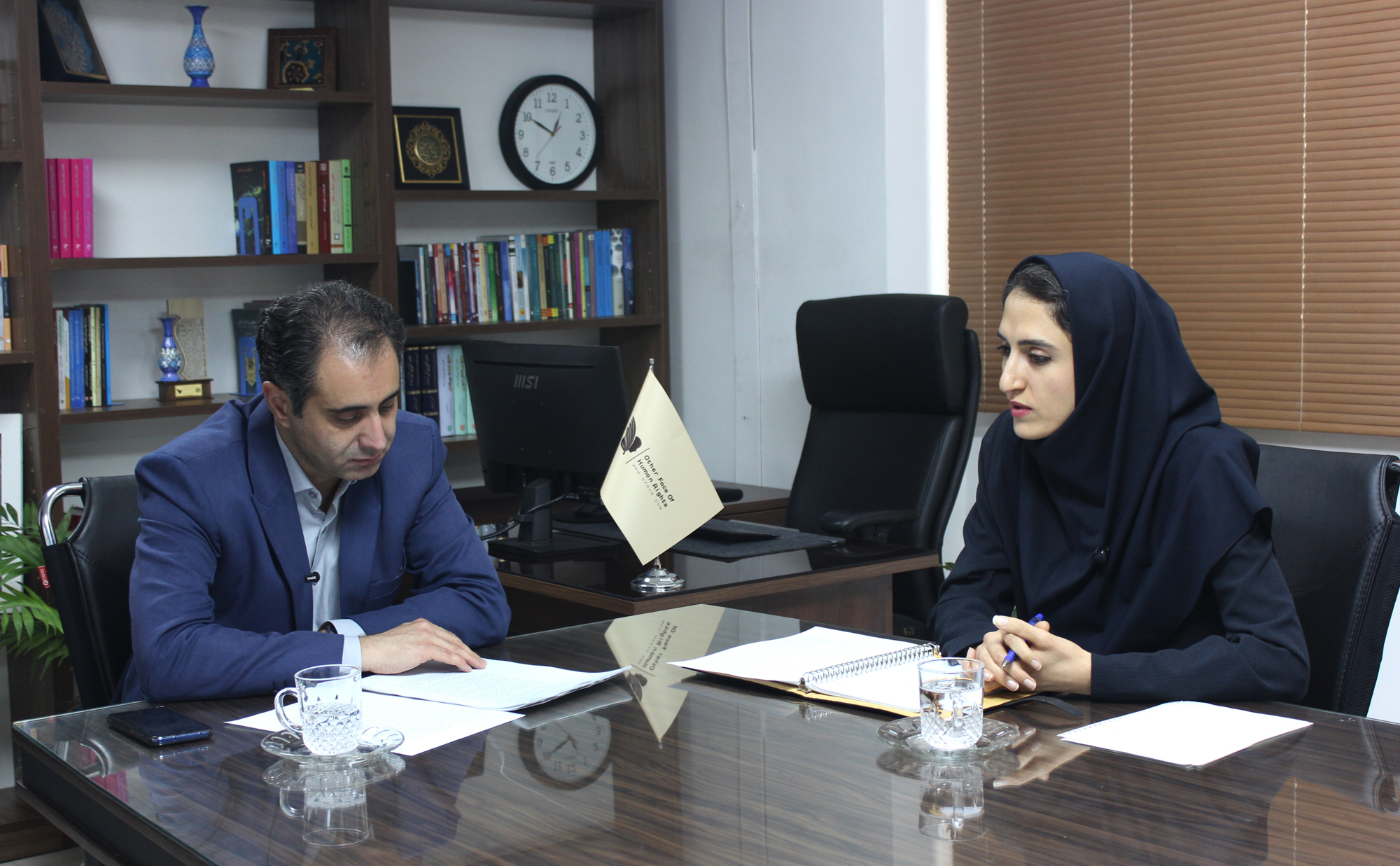
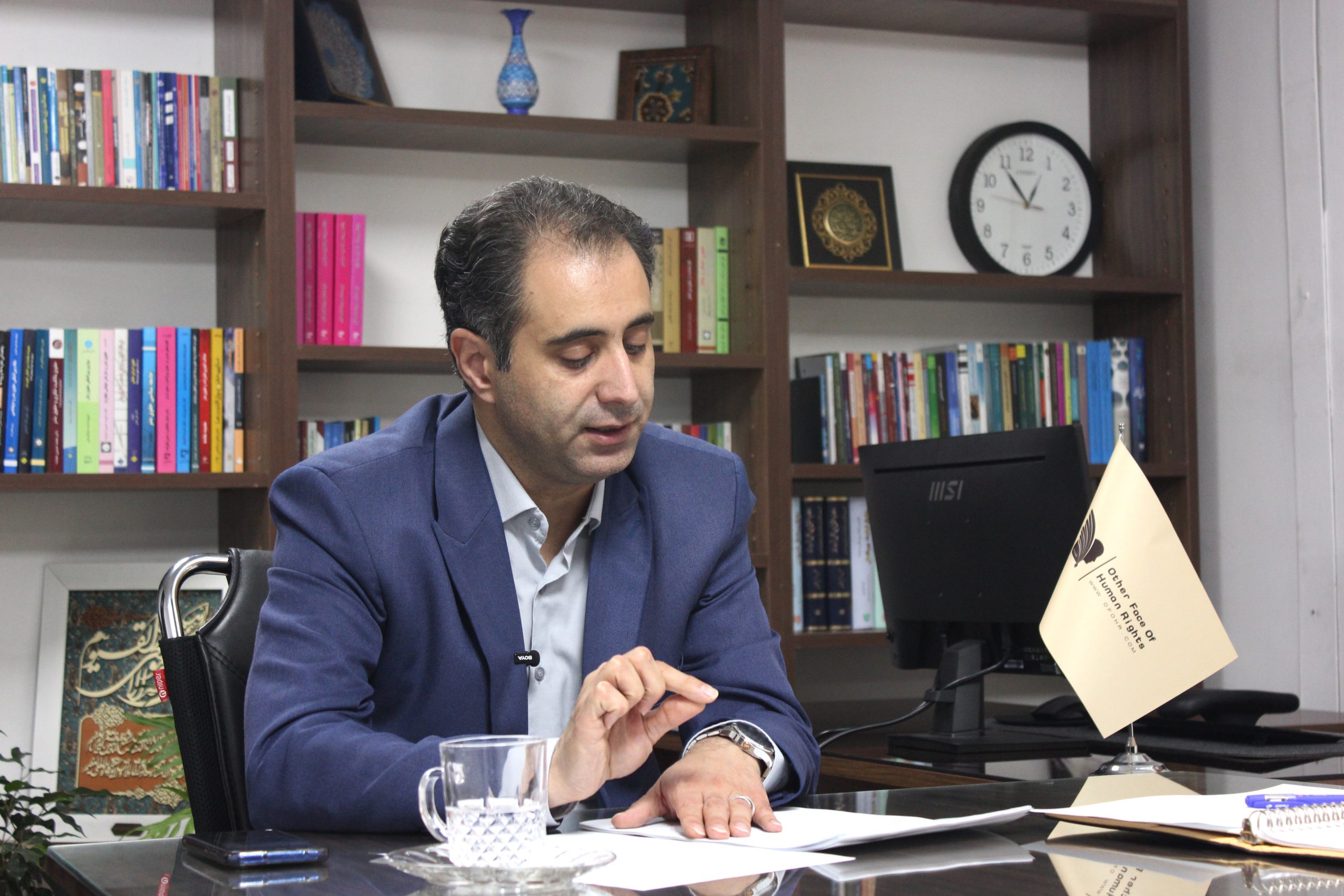
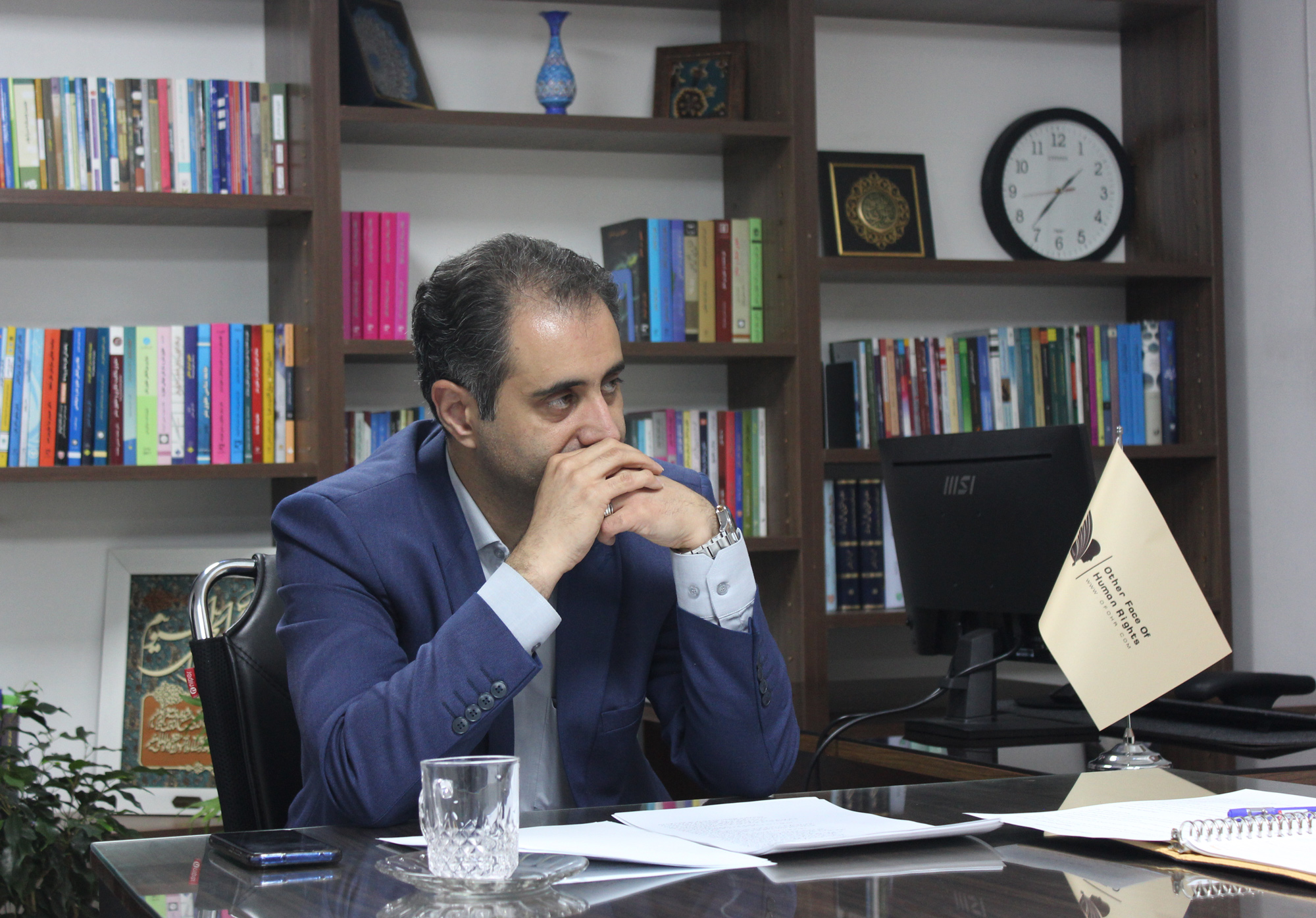
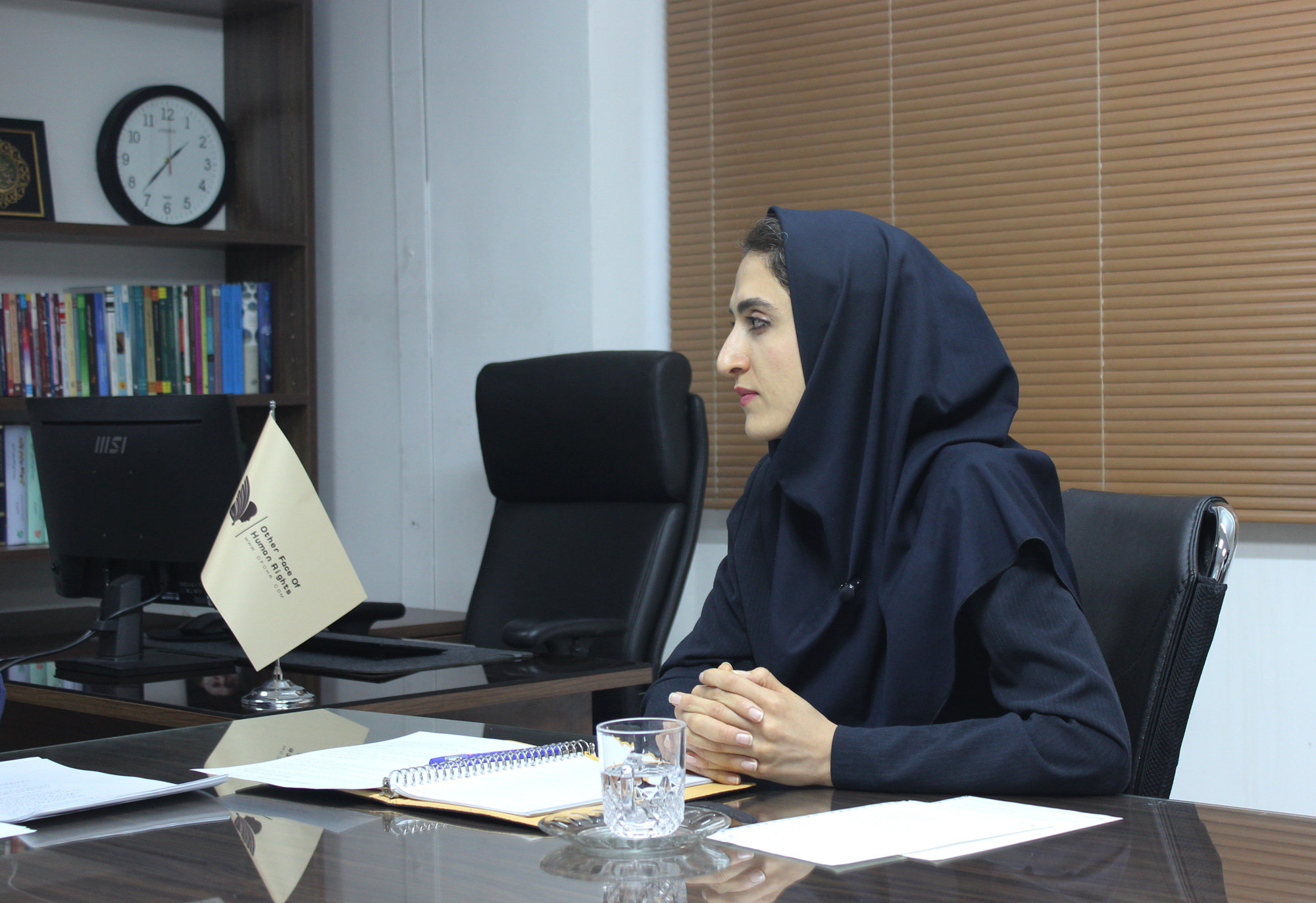
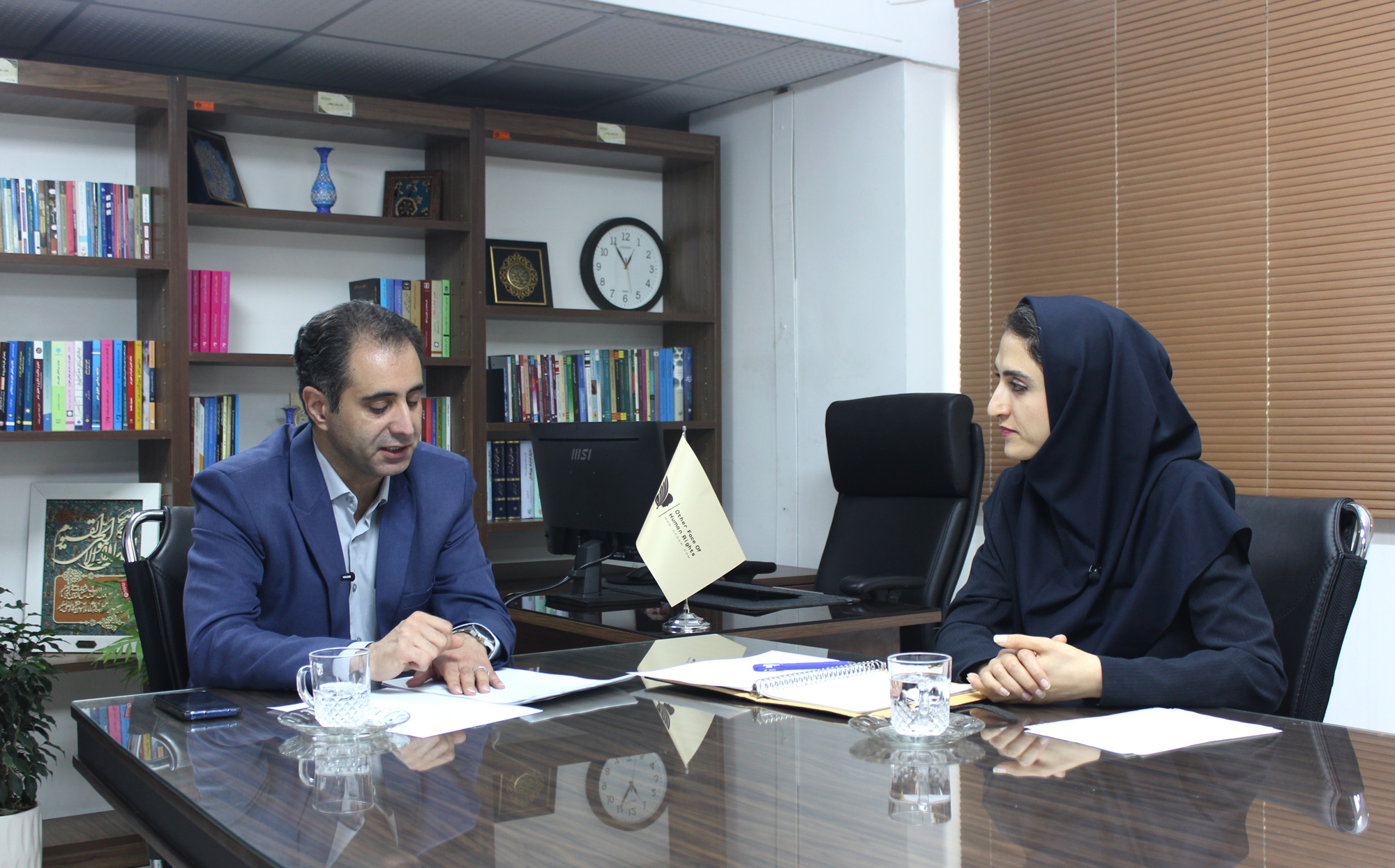
In recent decades, international refugee law has faced a growing gap between the legal obligations of states and their actual practices. This issue becomes even more complex in countries such as the Islamic Republic of Iran, which hosts millions of migrants and refugees. In this context, Dr. Amir Maghami, an immigration lawyer and faculty member at the University of Isfahan, provided a comprehensive interview to Datikan Analytical Quarterly on the occasion of the publication of its fifth issue (Spring 2025), themed “Migration and Asylum: A Sphere of Human Rights Violation and Protection.” The interview offers a detailed exploration of the legal status of refugees in Iran and the broader international arena.
Interview Details
- Interviewer: Marzieh Tajmiri, PhD Student in International Relations, University of Isfahan
- Interviewee: Amir Maghami, Faculty member, Department of Law, University of Isfahan; Immigration Lawyer
- Main Topics:
- Developments in International Refugee Law and State Obligations
- Legal and Policy Challenges and the Situation of Refugees in Iran
- Emerging Challenges in Refugee Protection and the Need for Policy Reform
- Date of Interview: Monday, June 2, 2025
Interview Report
At the outset of the conversation, Dr. Maghami distinguished between the two fundamental concepts of “migration” and “asylum.” He explained that migration is an individual right recognized in international legal instruments, particularly the 1990 International Convention on the Protection of the Rights of All Migrant Workers and Members of Their Families. Migration is typically a result of a voluntary decision by individuals seeking to improve their socioeconomic conditions in non-emergency contexts.
In contrast, asylum arises from urgent situations where individuals are compelled to flee their countries due to a well-founded fear of persecution based on race, religion, nationality, membership in a particular social group, or political opinion. This definition is rooted in the 1951 Geneva Convention Relating to the Status of Refugees and its 1967 Protocol. Dr. Maghami emphasized that asylum is not merely a political or security status but a fundamental human right that must be upheld by all states, regardless of their membership in the aforementioned conventions.
Highlighting the special status of refugees in the international legal order, Dr. Maghami pointed out that they are among the most vulnerable human groups, exposed to multiple forms of discrimination, deprivation, and structural risks. Effective protection of refugees requires the implementation of coordinated, coherent, and comprehensive policies. Unfortunately, in many countries, especially those that are not signatories to the 1951 Convention, such mechanisms are lacking.
He then turned to one of the emerging global challenges: climate-induced displacement. According to projections by the United Nations High Commissioner for Refugees (UNHCR) and the World Bank, climate change could displace over 216 million people by 2050. However, these individuals fall outside the traditional legal definition of refugees and, therefore, are not entitled to international protection under current frameworks. Despite recent efforts, such as the advisory opinion of the International Tribunal for the Law of the Sea (2021) and the 2023 recommendations of the European Court of Human Rights regarding temporary complementary protection, the absence of global consensus continues to hinder the establishment of a binding legal regime for climate refugees.
Dr. Maghami also addressed the global trend of increasingly restrictive asylum and migration policies. Citing a 2022 study by Oxford University, he noted that over 70% of countries have tightened their immigration laws in the past decade. He referred to examples such as France’s new restrictive immigration laws, reduced state support for refugees in Germany, and the UK’s controversial plan to deport asylum seekers to Rwanda. While acknowledging the sovereign right of states to regulate entry and admission, Dr. Maghami insisted that such discretion must not violate the principle of non-refoulement, which lies at the heart of refugee law and prohibits returning individuals to territories where they risk persecution or serious harm.
Further, he discussed the widespread failure of states to fulfill their legal obligations. Referring to data from Leiden University, he explained that nearly 40% of rulings by the European Court of Human Rights are not implemented. This non-compliance stems from the lack of effective political pressure mechanisms, weak oversight institutions, and insufficient public support. He cited the cases of Afghan refugees in Greece and Belgium, where court decisions have not led to meaningful improvements in their situation.
In the final part of the interview, Dr. Maghami examined the legal situation of refugees in Iran. He acknowledged Iran’s prominent position in hosting refugee populations, particularly Afghan and Iraqi nationals. Despite its long-standing and resource-intensive experience in this area, Iran lacks a comprehensive asylum law. Existing regulations are largely administrative and procedural in nature and often lack legal clarity and consistency.
He underscored the absence of an independent judicial authority for adjudicating asylum claims and the inadequacy of legal structures to oversee the asylum process. In addition, limited financial resources, restricted cooperation with international organizations—especially due to economic sanctions—and the failure to meet over two-thirds of the required budget have severely constrained Iran’s capacity to provide essential support services. According to current estimates, only 32% of the necessary funding is being met.
Other highlighted challenges include the lack of accurate statistical data on asylum seekers, the difficulty of distinguishing between voluntary return and forced deportation, and the complexity of administrative procedures for lodging asylum claims. Dr. Maghami emphasized that opportunities for appeal and judicial review are extremely limited, which significantly increases the risk of unlawful deportations. Structural barriers in access to healthcare, education, and legal services further exacerbate the precarious living conditions of refugees.
Conclusion
In conclusion, Dr. Maghami stressed that global developments—including the intensification of climate crises, regional wars, and increasingly complex emergency situations—necessitate a fundamental rethinking of traditional asylum frameworks. He advocated for a balance between state sovereignty and international human rights obligations, ensuring that refugee rights are protected while allowing states to manage their migration policies within the bounds of international law. Iran’s experience, he argued, demonstrates that without structural reform of legal frameworks and institutional mechanisms, addressing refugee challenges will remain elusive. He also highlighted the importance of enhancing regional and international cooperation for burden-sharing and the development of new protection standards. Legal education and awareness-raising initiatives targeting state officials, judges, and refugees themselves, he concluded, could play a crucial role in improving refugee conditions and fostering greater social acceptance.
Policy Recommendations
- Enactment of a comprehensive asylum law in Iran outlining procedures, competent authorities, refugee rights and responsibilities, and appeals mechanisms;
- Establishment of conditional residency schemes for individuals who do not meet full refugee criteria but cannot safely return to their countries;
- Specialized training for government officials, judges, and lawyers on refugee law to enhance their interactions with asylum seekers;
- Strengthening regional and international cooperation for responsibility-sharing and upgrading protection standards;
- Revising the international legal definition of “refugee” and introducing optional protocols for the protection of climate-displaced persons;
- Improving legal education and public awareness through joint campaigns with universities and civil society organizations to enhance the legal and social standing of refugees.