

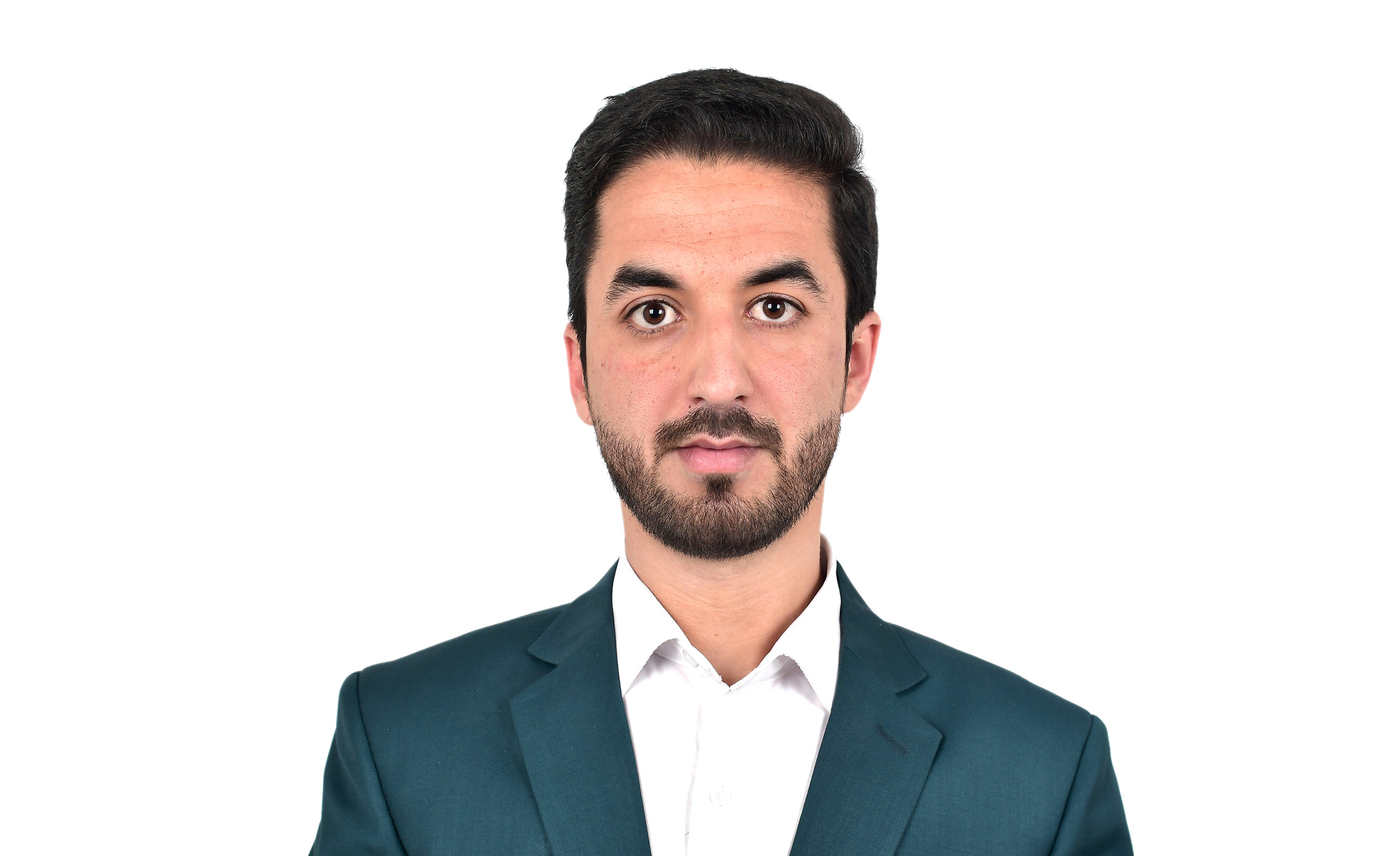
As part of the publication of the fifth issue of Datikan Analytical Quarterly, themed “Migration and Asylum: A Sphere of Human Rights Violation” in Spring 2025, the “Other Face of Human Rights” research group of the University of Isfahan conducted a specialized interview with an Afghan migrant student (postgraduate level) in Iran. The interview aimed to explore the challenges and opportunities of studying and residing in Iran as a foreign national, with particular emphasis on Afghan migrants.
Interview Details
- Interviewer: Marzieh Tajmiri, PhD student in International Relations, University of Isfahan
- Interviewee: Roshan Naemi, PhD student in International Relations, University of Isfahan
- Main Topics:
- Introduction to educational migration as a form of international mobility
- Historical and statistical background of Afghan migration to Iran
- Educational migration from a personal perspective
- Reasons for migration and the choice of Iran as a destination
- Economic and employment challenges faced by migrant students in Iran
- Comparison of the educational migration experience in Iran and Russia
- The role of universities in facilitating or complicating the residency process
- Interaction with the host society
- Experiences of Restrictions Against Migrants
- Barriers and fears of undocumented migrants in accessing support services
- Lack of awareness of migrants’ legal rights in Iran
- Date of interview: Monday, May 26, 2025
Interview Report
Academic migration, as a form of international mobility, is often assumed to be a smoother and less challenging path compared to other types of migration. However, the lived experiences of many international students—especially those migrating from developing countries to neighboring states—offer a contrasting narrative. Migration from Afghanistan to Iran is a phenomenon rooted in decades of insecurity, war, and economic crises. Iran has served as one of the primary destinations for Afghan migrants, particularly following the Soviet occupation of the 1980s. According to the United Nations High Commissioner for Refugees (UNHCR) in 2024, out of the 3.8 million migrant population and 773,000 registered refugees in Iran, 95% are Afghan nationals. It is worth noting that unofficial estimates place this number as high as 10 million.
This report, based on the personal experiences of Mr. Roshan Naemi, an Afghan student residing in Iran, examines the lesser-known aspects and challenges of academic migration through three main dimensions: motivations for migration, lived experience and education in Iran, and future outlook.
At the outset of the interview, Mr. Naemi highlighted the insecurity under Taliban rule and educational restrictions in Afghanistan as key drivers of his decision to pursue higher education in Iran. He noted the shared language as the most significant facilitator of learning and communication. Additionally, the relatively low cost of living and cultural similarities were identified as factors that eased adaptation and made Iran an attractive destination for Afghan students.
Nevertheless, this path is not without challenges. Employment restrictions for international students were identified by Mr. Naemi as one of the most serious issues. Many students, due to the prohibition on formal employment, resort to low-paid informal jobs. In this context, UNHCR reports that between 40% and 50% of migrant workers in Iran earn less than their Iranian counterparts in the same sectors. Furthermore, according to the International Organization for Migration (IOM), only 17% of migrants in Iran possess work permits, while more than 60% are engaged in illegal employment in industries such as construction, agriculture, and manufacturing. Employment-related restrictions also manifest in workforce reductions, where some migrants and refugees have reported being dismissed without prior notice or finding their names at the top of layoff lists.
Mr. Naemi also previously studied for a year in Russia. However, language barriers and cultural differences made Iran a more suitable option for him. Still, he emphasized that the conditions for academic migrants are far better than those faced by undocumented migrants, primarily because universities play a facilitating role in the visa and residency process. He acknowledged that the student experience in Russia was markedly different, demonstrating how immigration policies and educational systems significantly shape the quality of life for international students. While Russia has developed a relatively cohesive support system for foreign students—including legal employment with fair wages—Iran’s support mechanisms largely depend on individual efforts from professors and peers. Administrative procedures in Russia were also described as simpler and more transparent, with no need to navigate complex bureaucracies for residence extensions or work permits.
Overall, Mr. Naemi assessed his university experience in Iran positively and believes the academic community holds a more open view toward migrants. However, at the societal level, he noted persistent negative stereotypes toward Afghan nationals compared to other nationalities, which in turn have led to employment difficulties and bureaucratic challenges in areas such as obtaining work permits, opening bank accounts, acquiring SIM cards, and accessing healthcare services. According to various reports, public perception toward migrants remains partially negative, with roughly 43% of Iranians supporting increased restrictions on migrants. UNHCR data and field studies indicate that over 60% of migrants have encountered some form of restriction at least once.
Mr. Naemi also pointed out that undocumented migrants face even more severe difficulties. Fear of arrest and deportation prevents them from seeking assistance from legal and social support institutions. Another contributing factor is the widespread lack of awareness regarding their legal rights in Iran, including the right to free education, emergency healthcare, legal protection, and the principle of non-refoulement (protection from forced return).
Conclusion
Although international and domestic organizations such as the UNHCR, IOM, UNICEF, Iranian Red Crescent Society, Médecins Sans Frontières (MSF), the International Rehabilitation Organization, and the Bureau for Aliens and Foreign Immigrants Affairs, alongside NGOs like Hami Institute, Mohsenin Charity, and the Life Assistance Association have launched support programs for migrants, these services remain insufficient due to the sheer volume of refugees. Studies show that institutional support for international students in Iran is fragmented and limited.
Overall, the findings from this interview indicate that migration, contrary to common belief, can involve multiple structural challenges. Factors such as gender, nationality, and social class intersect to shape unique migratory experiences. For instance, among migrant populations, women face greater employment restrictions, while men confront harsh labor conditions and low wages. Academic migration is a multidimensional and complex phenomenon influenced by individual, social, and political dynamics. While shared language and culture may ease integration, legal restrictions remain a major obstacle. Despite hosting migrants for several decades, Iran still lacks a coherent policy framework to improve their conditions. Without such policies, migrants risk falling into prolonged uncertainty, trapped between staying in limbo or facing forced return.
Finally, it is worth emphasizing how paying attention to individual narratives can shed light on the hidden dimensions of official policies and help pave the way for meaningful change.
Recommendations
Based on the findings of this study, the following recommendations are proposed:
- Establishing a unified support system for international students across Iranian universities;
- Facilitating the process of obtaining work permits and improving access to legal employment opportunities;
- Enhancing public awareness campaigns to combat negative stereotypes and promote social inclusion;
- Creating dedicated university offices for migrant affairs to assist with residency, banking, and healthcare access;
- Providing educational materials and legal guidance to raise awareness of migrants’ rights.
Postscript: This report is based on an interview with the aforementioned individual, and its data has been supplemented with statistics from international organizations, including UNHCR and IOM.


