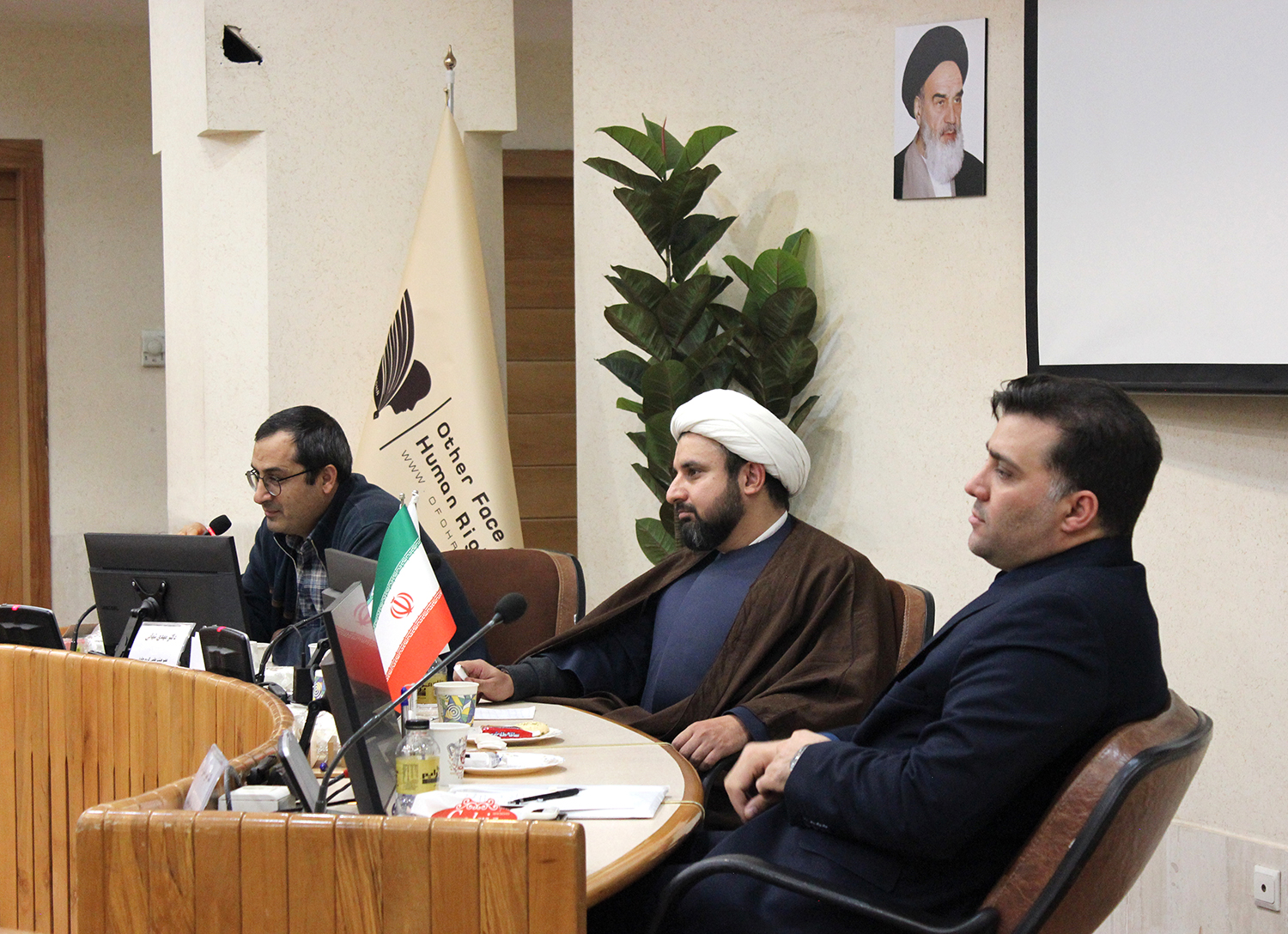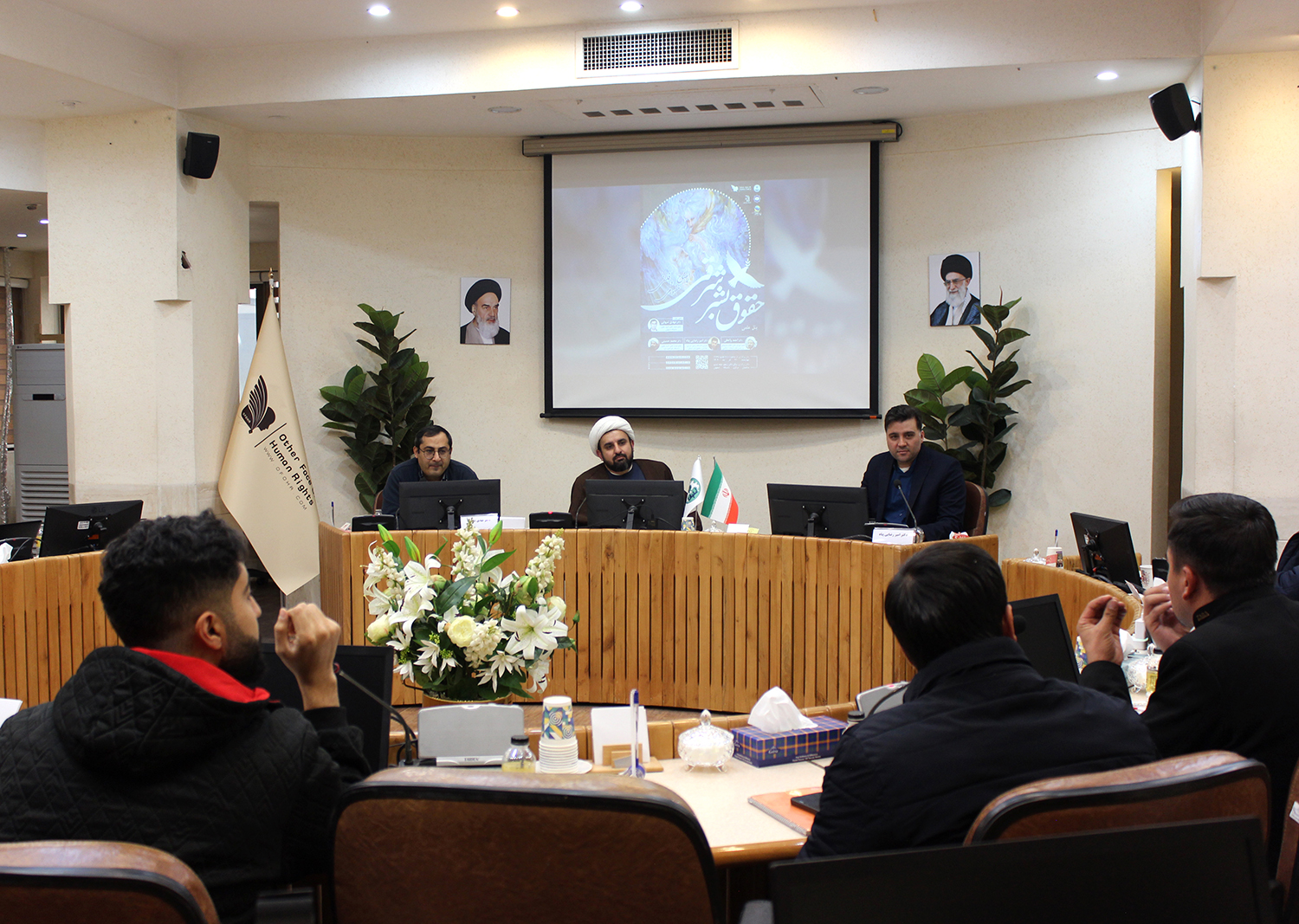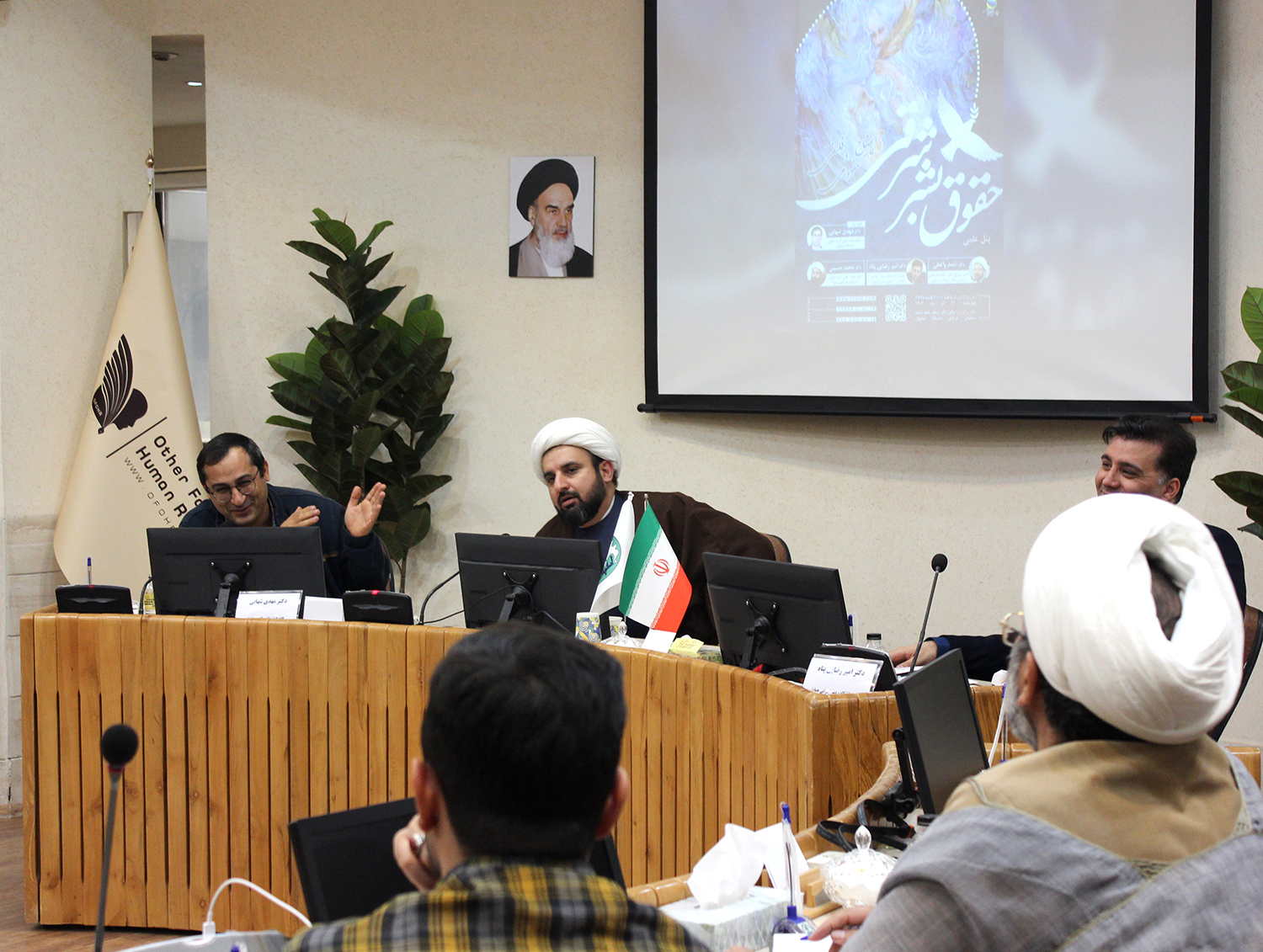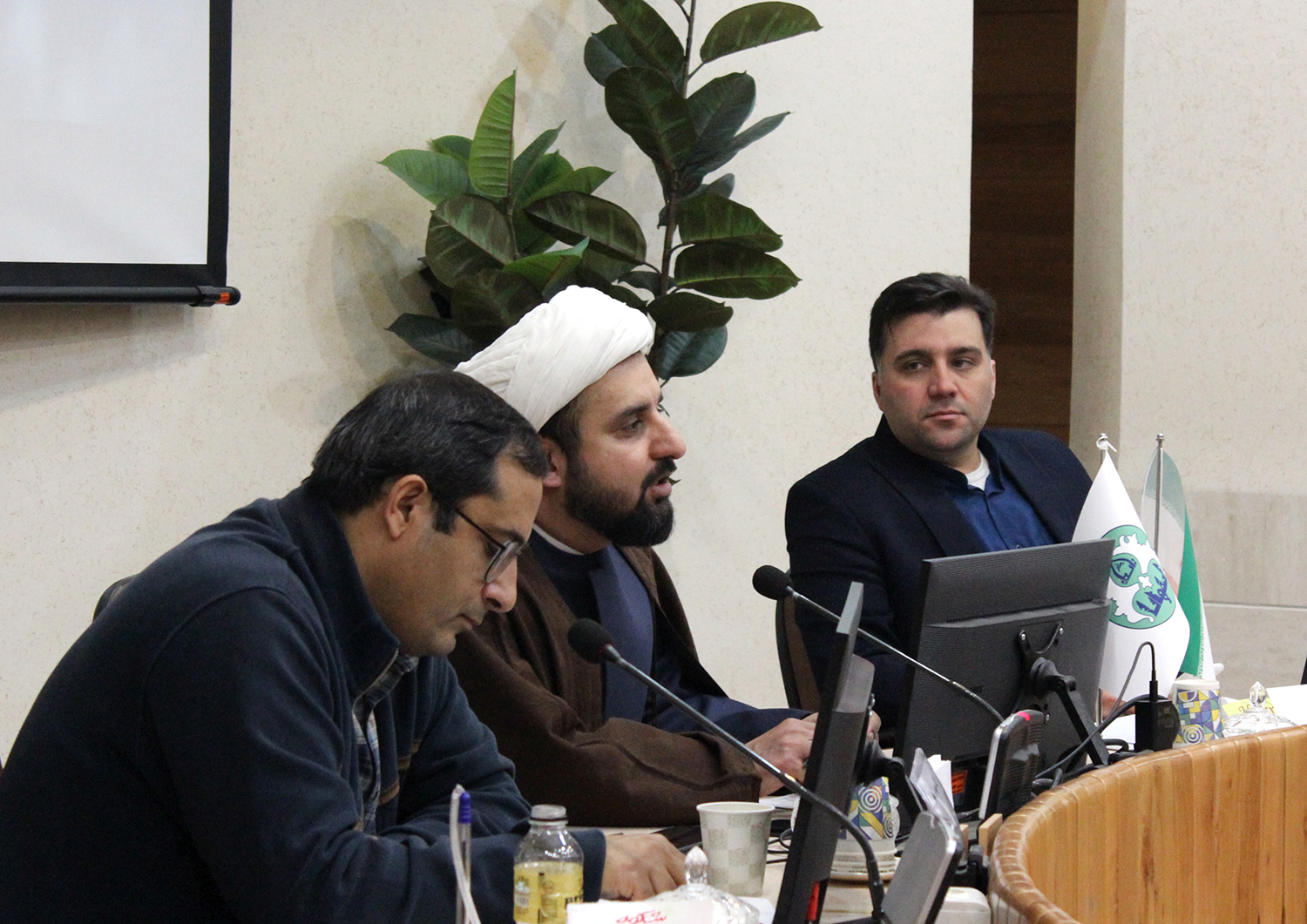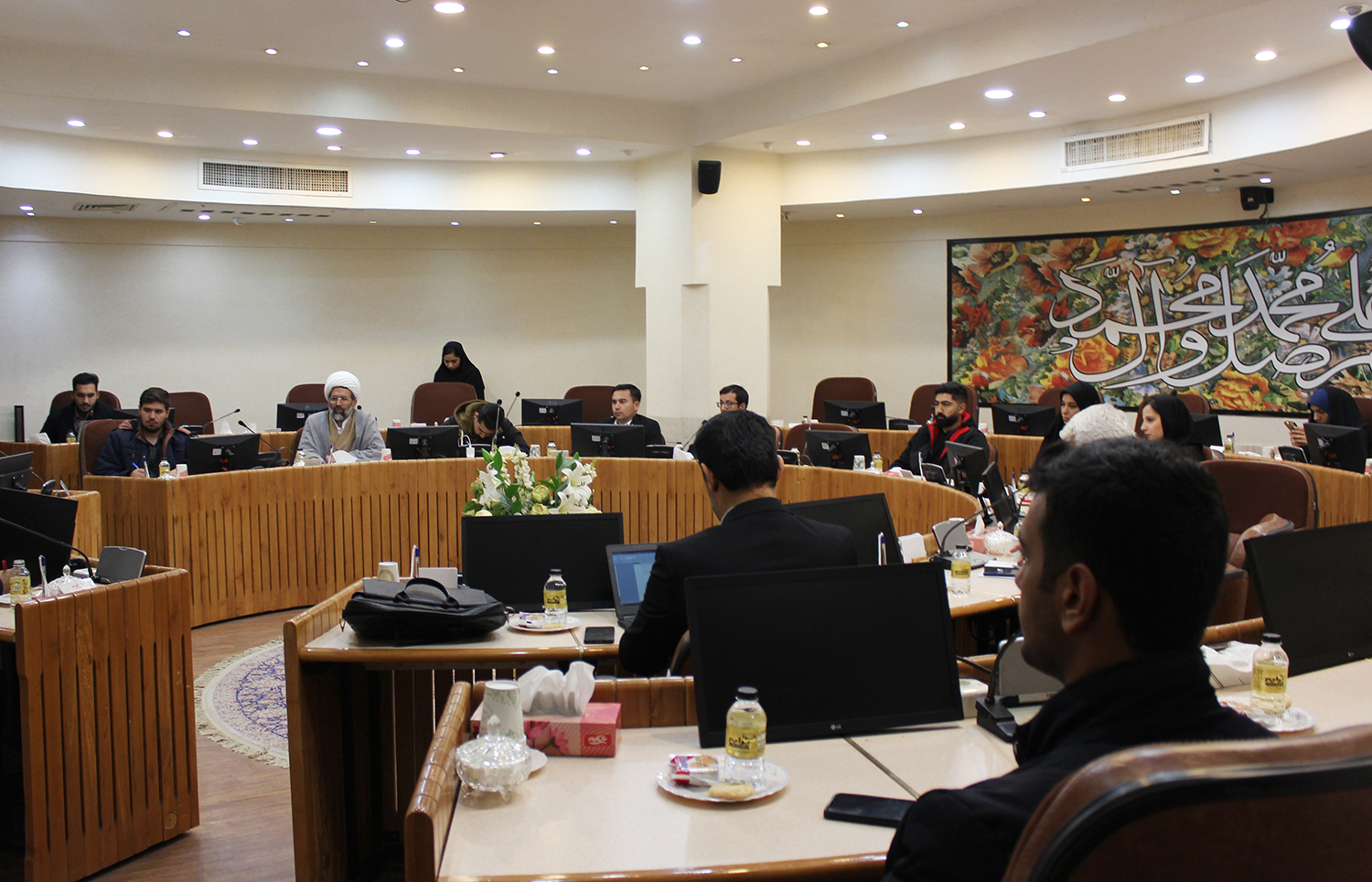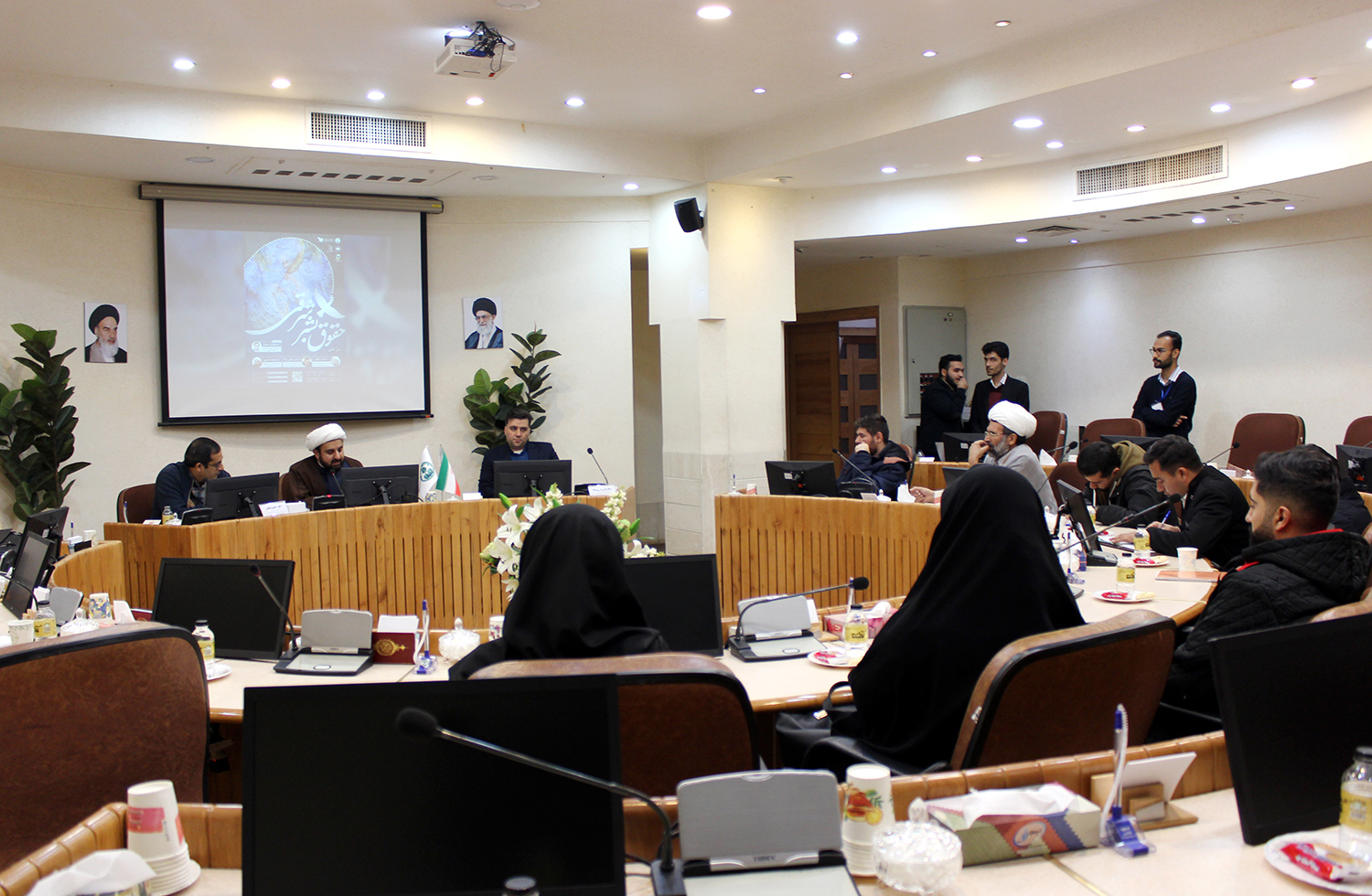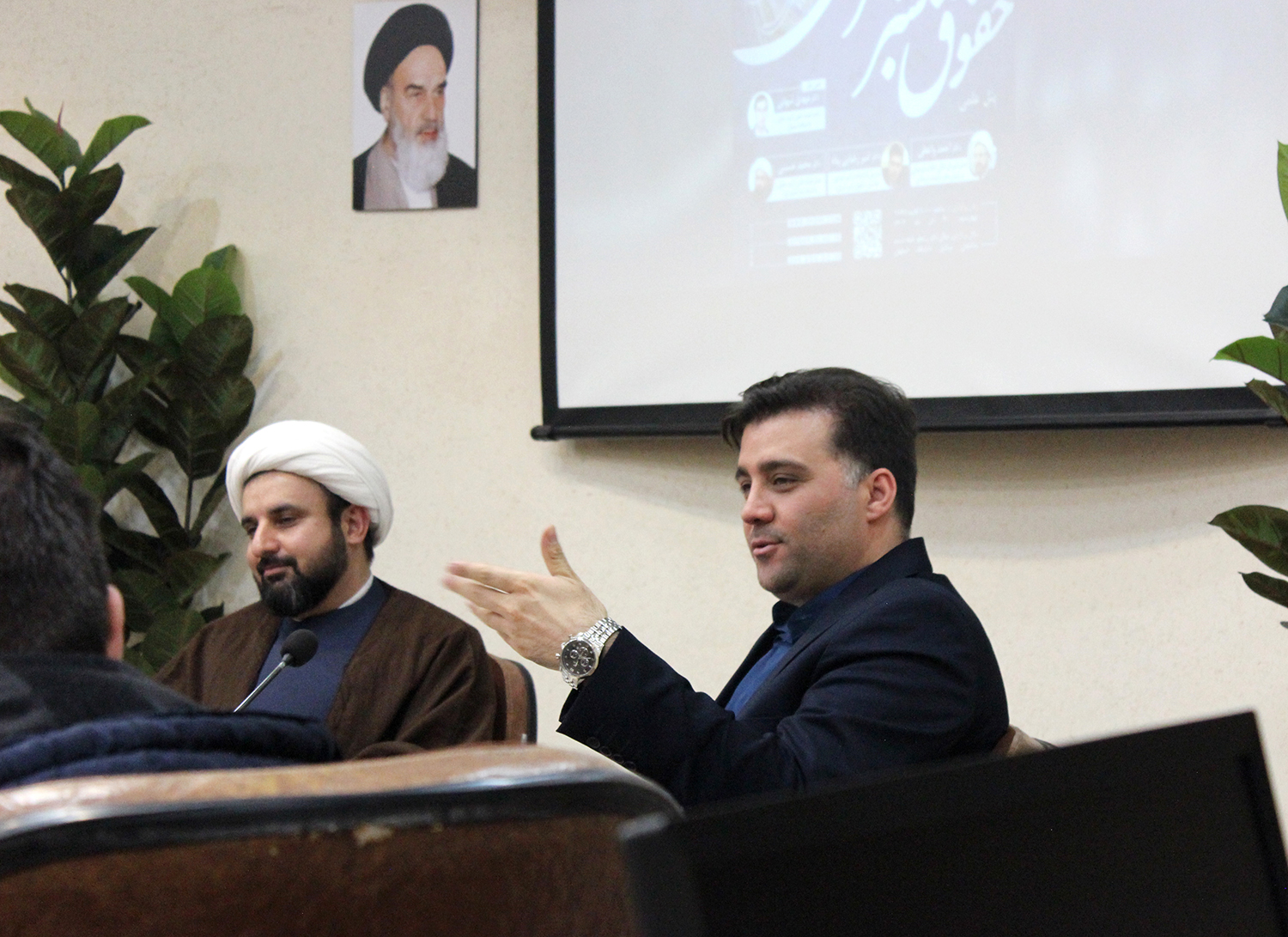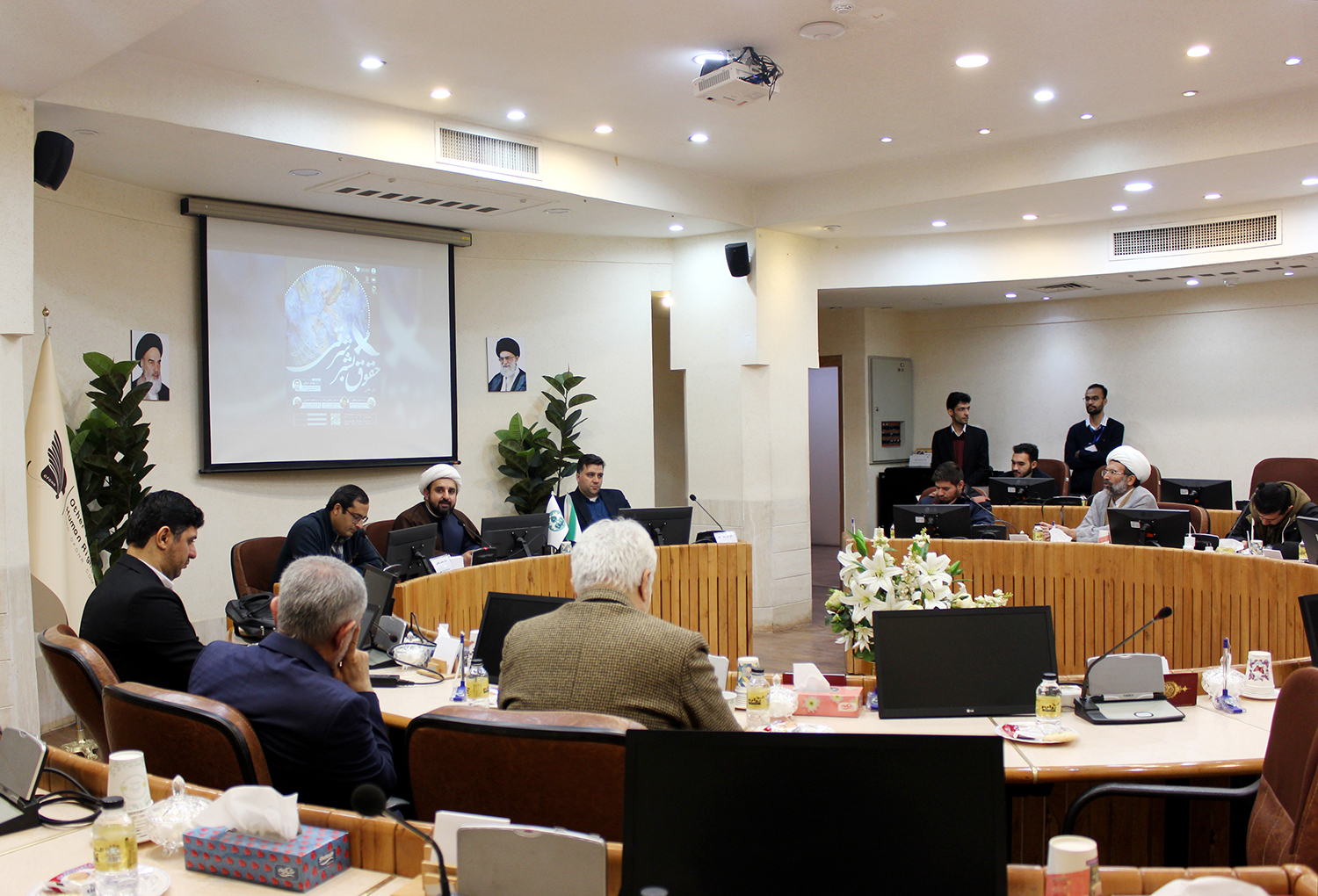
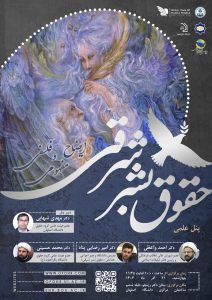
An academic panel titled “Conceptual and Philosophical Elucidation of Eastern Human Rights” was held as part of the specialized pre-conference “Eastern Human Rights: From Theory to Practice.” The panel aimed to analyze and explore the conceptual and philosophical structures underpinning human rights in Eastern societies.
General Information
- Panel Chair: Dr. Mahdi Shahabi, Faculty Member of the Department of Law, University of Isfahan
- Speakers:
- Ahmad Vaezzi, Member of the Supreme Council of the Cultural Revolution and Head of the Islamic Propagation Office
- Amir Rezaeipanah, University Lecturer and Executive Secretary of the International Conference on Eastern Human Rights
- Mohammad Hosseini, Faculty Member of the Department of Law, Baqir al-Olum University, and Scientific Secretary of the International Conference on Eastern Human Rights
- Topics Discussed:
- Philosophical Components of Eastern Human Rights
- Conceptual Perspectives on Eastern Human Rights
- The Impact of Eastern Socio-Cultural Philosophy on the Formation of Eastern Human Rights
- Date: Wednesday, December 11, 2024
- Time: 10:00 to 11:45 AM
- Venue: Dr. Razmjou Hall, Central Building, University of Isfahan
Summary of Presentations
Dr. Shahabi opened the discussion by highlighting the fundamental differences between classical and modern philosophies in defining rights, emphasizing that these differences serve as a foundation for essential questions regarding Eastern human rights. He posited that a key issue is whether Eastern human rights can be analyzed within the framework of classical philosophy or modern philosophy. According to him, the crises of modernity and its resulting complexities have significantly influenced the concept of Eastern human rights, raising the question of whether Eastern human rights can serve as a solution to—or a contributor to—such crises. He stressed the importance of collective and cultural rights in Eastern societies, suggesting that Eastern human rights could potentially create a balance between individualism and collectivism.
Dr. Shahabi further explained that classical philosophy defines humanity as a being whose identity stems from its social and historical nature, whereas modern philosophy views humanity as an independent subject whose rights derive from its essence. This fundamental difference poses challenges for analyzing Eastern human rights within modern conceptual frameworks. He proposed that Eastern human rights should avoid replicating Western discourse and instead establish a new paradigm rooted in the cultural and civilizational identity of the East.
Dr. Hosseini followed with a discussion on the theoretical foundations linking Eastern culture and universal rights. Drawing on the theories of Jack Donnelly, he argued that modern human rights, in their current form, are largely the product of the actions of modern Western states. These state-centric structures, especially after World War II, have solidified human rights as a global norm, with Western states leveraging their authority to universalize these norms.
Dr. Hosseini emphasized that Eastern human rights should not imitate this structure. Instead, they should construct a new discourse that acknowledges collective, cultural, and civilizational rights. He highlighted the critical role of discourse development and intellectual contributions in this area, adding that Eastern human rights should not merely react to Western human rights but rather serve as an independent and complementary narrative.
Dr. Rezaeipanah, adopting a critical approach, analyzed Western human rights and their influence on non-Western societies. He characterized Western human rights as a civilizational and ideological construct shaped by the political and economic needs of the West. He argued that Western human rights, as the lived experience of Western societies, have been imposed as a global standard. With a focus on individualism and liberalism, these rights often fail to address the cultural and identity-based needs of Eastern societies.
Dr. Rezaeipanah suggested that Eastern human rights should present an alternative approach, emphasizing collective and cultural rights. He proposed fostering consensus among Eastern societies to develop this discourse and underscored the importance of redefining shared normative principles while leveraging the theological and cultural capacities of the East.
A central question raised during the panel was how Eastern human rights can move beyond mere opposition to Western human rights and emerge as an independent discourse. Eastern human rights should address the crises stemming from modernity and redefine the relationship between the individual and society.
In another segment of the panel, the speakers explored anthropological perspectives on human rights, identifying various conceptualizations of humanity, including:
- The Aristotelian Human: A being whose identity arises from its social and historical nature.
- The Kantian Human: A metaphysical being whose rights derive from its essence.
- The Social Human: A being defined within the framework of social structures.
- The Normative Human: A being entirely shaped by social norms.
- The Religious Human: A being whose identity stems from divine will and religious principles.
- The State-Centric Human: A being whose rights are determined by the state’s authority.
The panelists concluded that Eastern human rights could draw inspiration from these definitions to offer a comprehensive perspective that incorporates both individual and collective rights, while also recognizing cultural and civilizational dimensions.
In conclusion, the speakers emphasized that Eastern human rights should not merely respond to Western human rights but should develop as an independent discourse grounded in the cultural and social values of the East. This discourse, built on Eastern civilizational and theological principles, has the potential to become a novel model for Eastern societies.
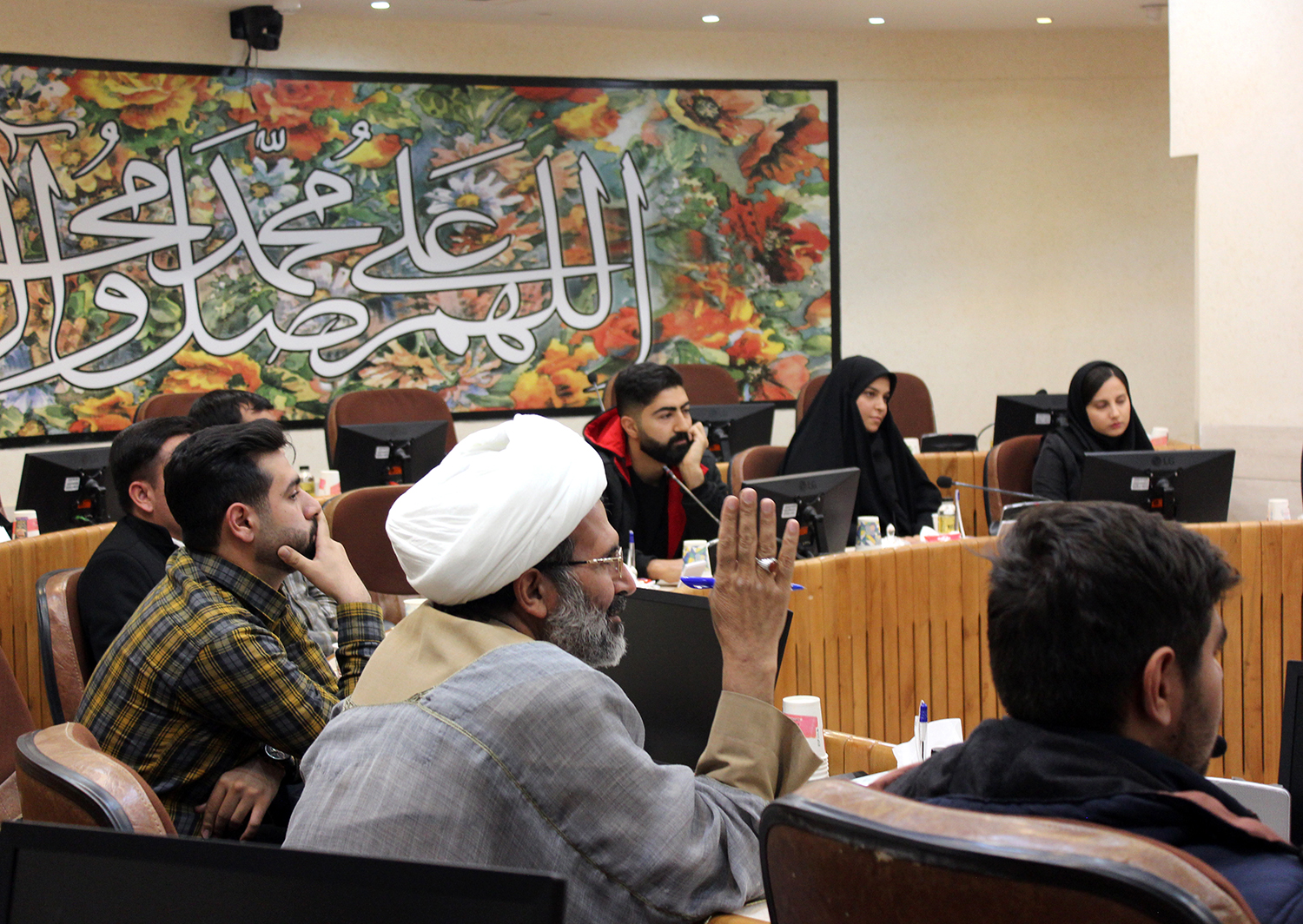
The panel concluded with an engaging Q&A session, where the speakers addressed questions raised by the audience.